
Wavelength Conversion In Optical Networks
Search optical fiber, connectivity, cable management and network infrastructure references.
-
Optical Circulator Wavelength Division Multiplexing
Normal WDM (sometimes called BWDM) uses the two normal wavelengths 1310 and 1550 nm on one fiber. Dense WDM (DWDM) uses the C-Band (1530 nm-1565 nm) transmission window but with denser. In fiber-optic communications, wavelength-division multiplexing (WDM) is a technology...
[PDF Version]
-
Selection Guide for Low-Loss Active Optical Modules for Power Grid Private Networks
This article will analyze key performance parameters such as transmission rate, wavelength, numerical aperture (NA), output power, and receive sensitivity of optical modules. It will also discuss how to choose suitable optical modules based on practical requirements. As...
[PDF Version]
-
Optical Wavelength Division Multiplexer Production
Optical receivers, in contrast to laser sources, tend to be wideband devices. Therefore, the demultiplexer must provide the wavelength selectivity of the receiver in the WDM system. WDM systems are divided into three different wavelength patterns: normal (WDM), coarse (CWDM)...
[PDF Version]
-
Wavelength of Mobile Optical Power Meter
They offer generally good performance, but are often very wavelength sensitive around 850 nm. So they are largely used for single-mode fiber testing at 1270 - 1650 nm. When talking about optical measurements, wavelength basically means how far a wave pattern repeats itself...
[PDF Version]
-
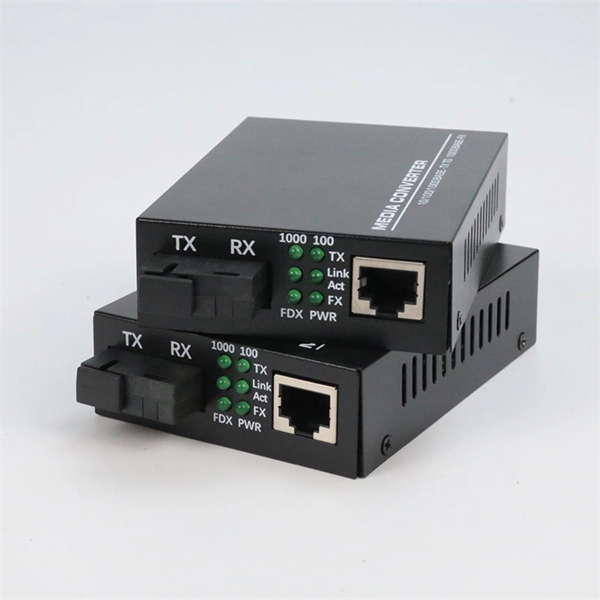
Photoelectric conversion chip optical module
As an important part of fiber-optic communication, an optical module is a photoelectric converter which converts electrical signals into optical signals and vice versa. An optical module works at the physical layer of the OSI model and is one of the core components in the...
[PDF Version]
-
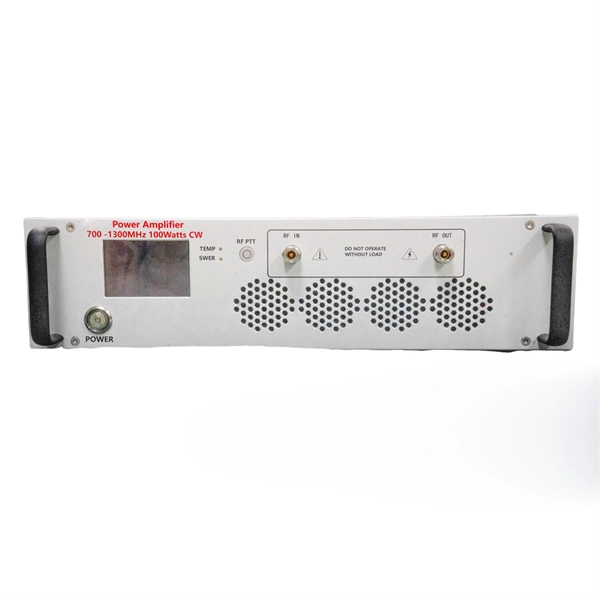
How to test the receiving wavelength of an optical module
Therefore, we need to use a wavelength meter or wavelength sensor to measure the wavelength of the optical module and compare it with the specified wavelength range. Unchecked optical modules can cause: Testing ensures compliance with IEEE 802. From detecting signal...
-
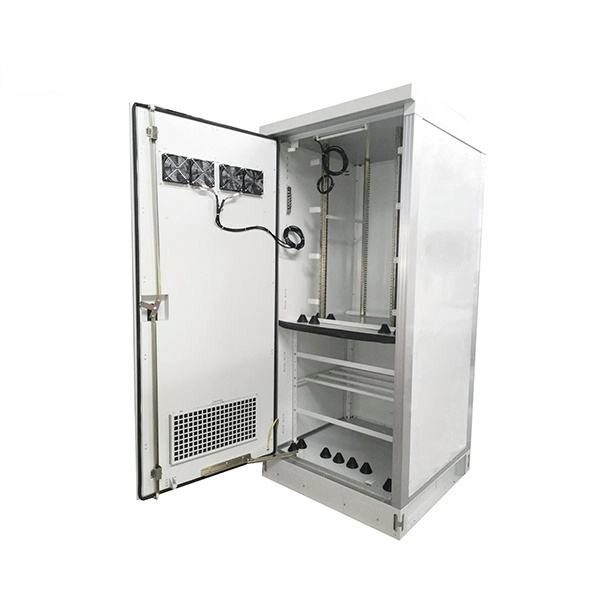
Wavelength of Imported Optical Cable Survey Instrument
C & L band systems are typically loss tested at 1550 / 1625 nm. The S band is currently somewhat ill-defined, and may run into the fiber water absorption peak, so loss measurement will need to be at the shortest relevant wavelength, and 1550 nm. With features such as high...
[PDF Version]
-
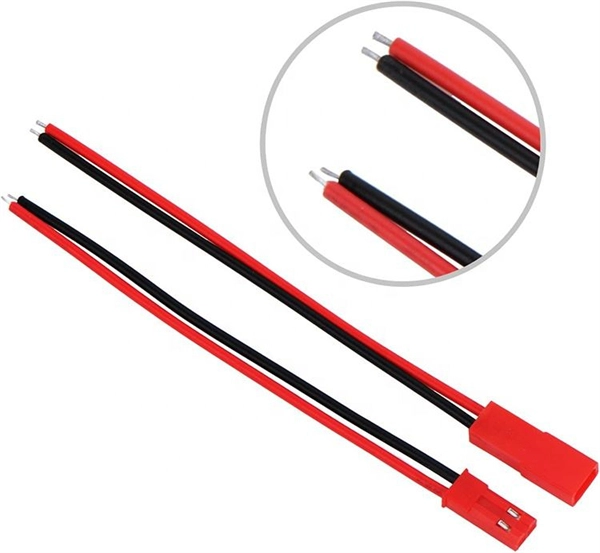
Selection Guide for Long-Distance Optical Transceivers OSFP for Local Area Networks
An engineer-focused, “just tell me what to choose” guide to transceiver selection with architecture, power budget, compatibility, and upgrade plan — designed for 25G/100G today and 400G/800G tomorrow. The OSFP form factor has emerged as the leading solution for...
[PDF Version]
-
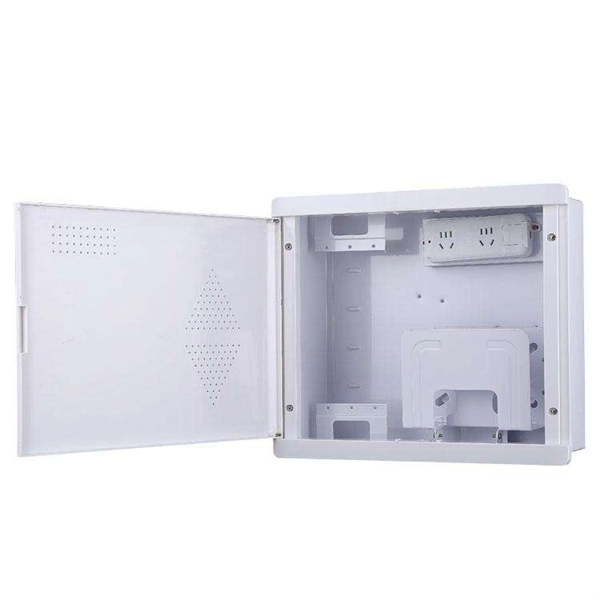
OLT Optical Signal Conversion Module
Optical line terminals, also called optical line terminations (OLTs), serve as endpoints for passive optical networks (PONs). They convert electrical signals from equipment managed by a service provider to fiber optic signals readable by a PON. If you are building a...
-
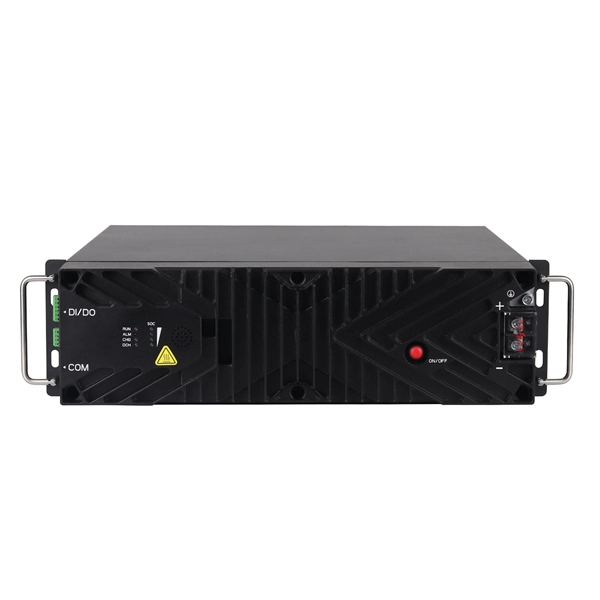
Selection of Optical Module Wavelength
Wavelength850nm: Common for short-range applications over MMF. The Transmitter Optical Sub Assembly (TOSA) is responsible for the emission of light. Its primary function entails converting electrical signals into optical signals. This assembly comprises a light source, such...
[PDF Version]