
What does an optical transceiver do?
Optical modules are mainly packaged by optoelectronic devices TOSA/ROSA, functional circuits and optoelectronic interface components. The optical t...
Search optical fiber, connectivity, cable management and network infrastructure references.
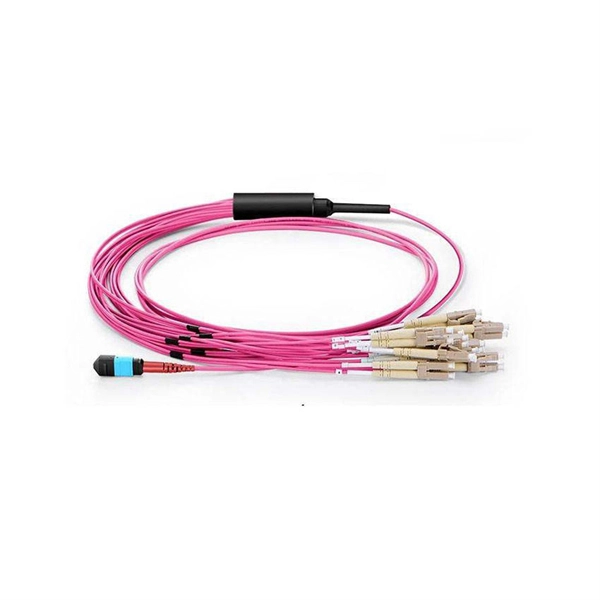
10 companies in the optical transceiver industry chain 2024To help you choose the best partner, this article will analyze and introduce 10 companies in the.
[PDF Version]Optical modules are mainly packaged by optoelectronic devices TOSA/ROSA, functional circuits and optoelectronic interface components. The optical t...
The upstream industry of optical modules mainly includes optical chips, optical components and optical devices, and the downstream industry mainly...
Lorem ipsum dolor sit amet, consectetur adipiscing elit. Ut elit tellus, luctus nec ullamcorper mattis, pulvinar dapibus leo.
The most secure solution is to install a fiber NIC (Network Interface Card) into the PCI slot of a desktop computer. The NIC has a fixed optical connector or an SFP slot where different modules can be used to support speeds from 100M to 10 Gigabit. Most computers are not...
[PDF Version]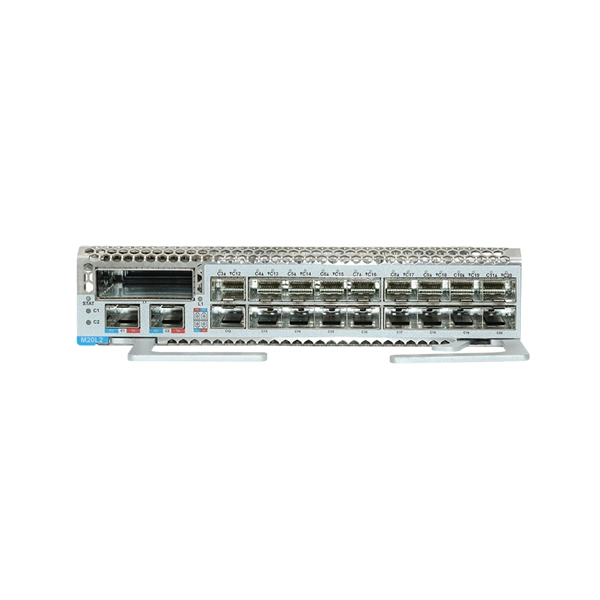
This article will analyze key performance parameters such as transmission rate, wavelength, numerical aperture (NA), output power, and receive sensitivity of optical modules. It will also discuss how to choose suitable optical modules based on practical requirements. As...
[PDF Version]
Asia Pacific is expected to maintain its position as the dominant force in the global optical modules market, driven by substantial investments in telecommunications infrastructure and data cent.
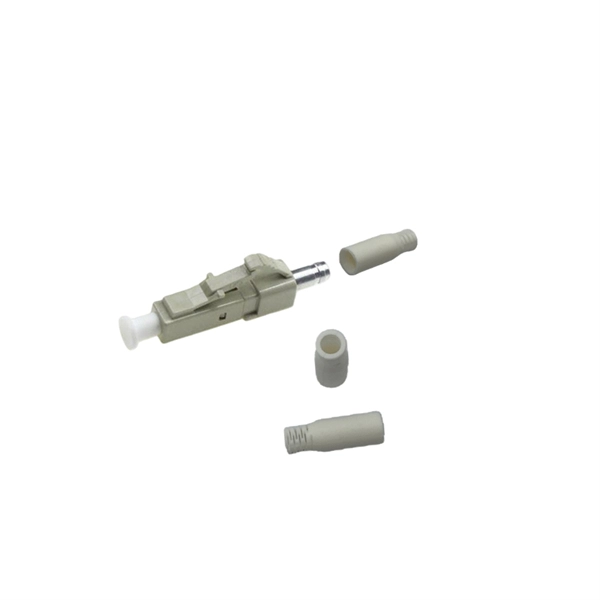
Optical modules can be categorized into commercial grade (0℃~70℃), extended grade (-20℃~85℃), and industrial grade (-40℃~85℃) according to the different operating temperature ranges. Industrial-grade optical modules are optical modules that can be used in harsh high and...
[PDF Version]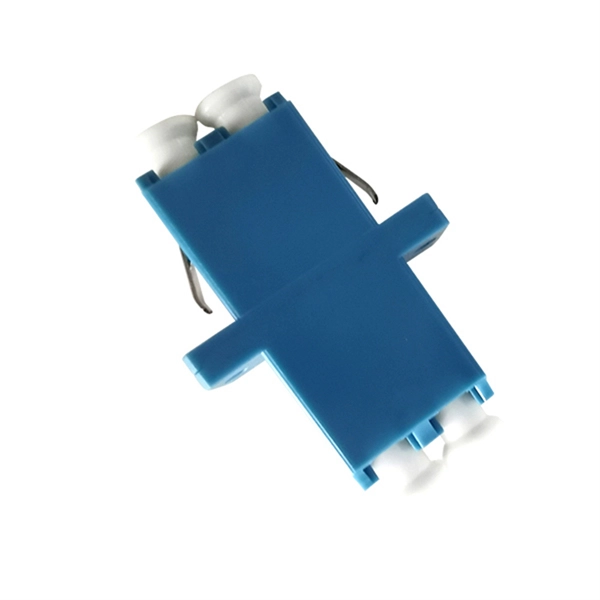
Common optical module types such as SFP, GBIC, XFP, and XENPAK, along with optical interfaces like FC, SC, and LC, each have their unique characteristics that make them suitable for specific application scenarios. The performance of a network is heavily dependent on the...
[PDF Version]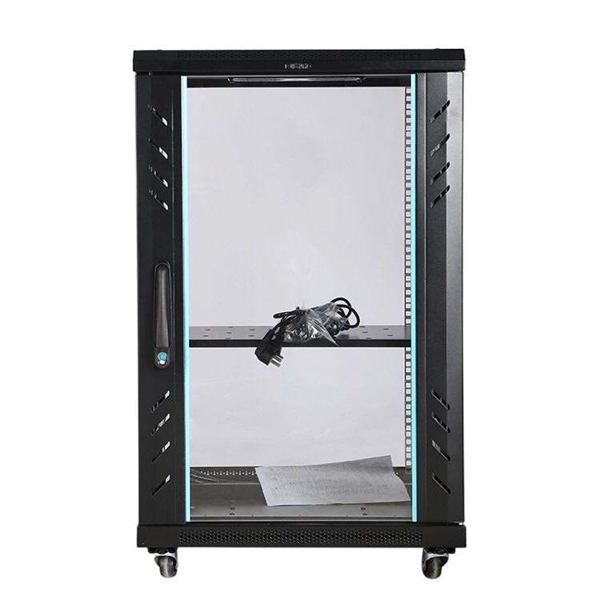
The wavelength range used in optical communication is 850 ~ 1650 nm, and the optical module emits “color light” or “white light”, which are invisible to human eyes. This means gray and color light modules do not emit gray or colored visible light — the names refer to...
[PDF Version]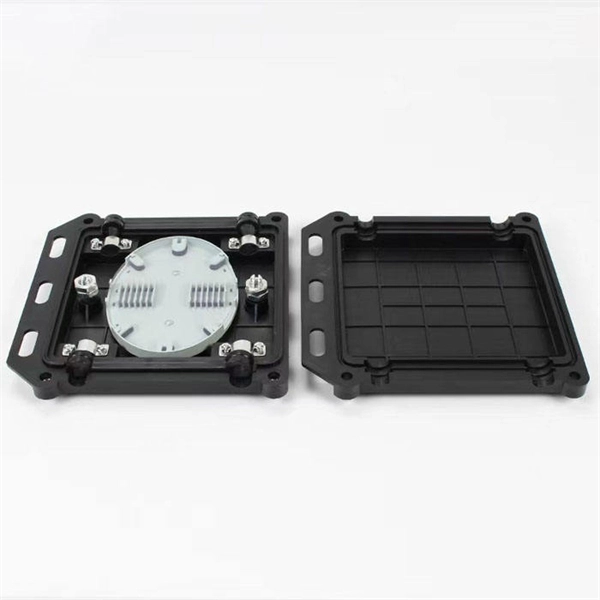
These modules use fiber optic technology for quick and steady communication between edge nodes. This makes the distance and number of network hops smaller, so speed goes up and. Optical modules help edge computing move data very fast. 100G QSFP28 transceivers have the exact...
[PDF Version]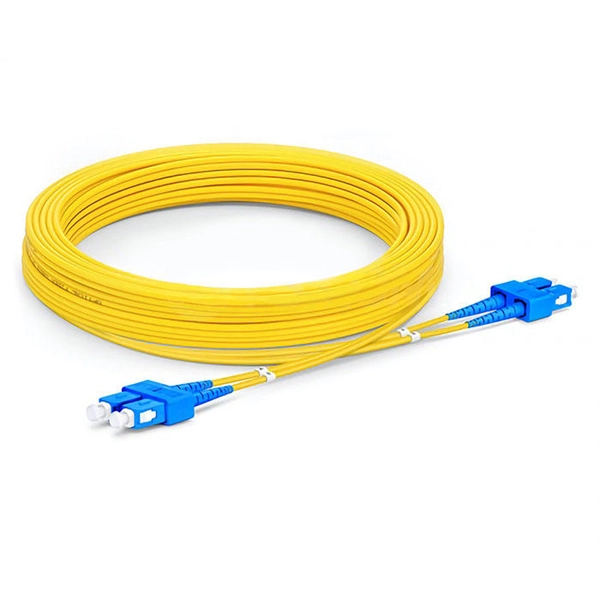
Foreign manufacturers have historically dominated the optical module photonic chip market, with Broadcom, Intel, Lumentum, II‑VI/Finisar, and NeoPhotonics leading in high-speed optical ICs and photonic integration. These companies power data centers, 5G networks, and global...
[PDF Version]Share the fiber interfaces, termination capacity, cable route and evidence required for handover.