
Understanding Fiber Optic Splicing Techniques And
Search optical fiber, connectivity, cable management and network infrastructure references.
-
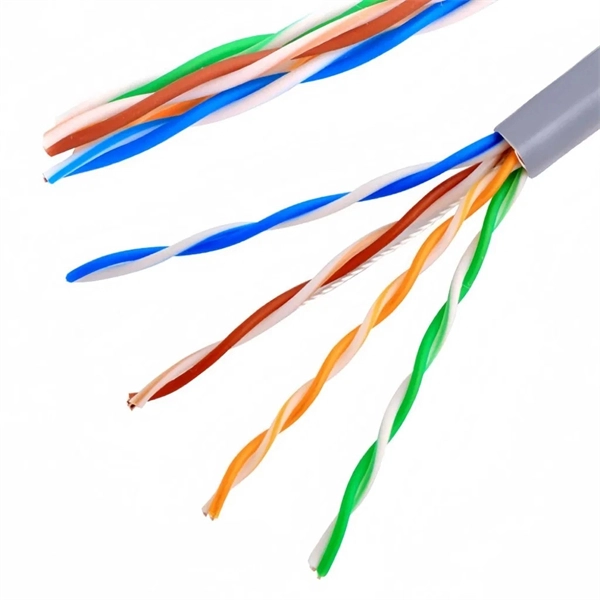
High attenuation after fiber optic cable splicing
Fiber misalignment is a byproduct of the splicing process and can occur with any splice. Intrinsic factors, such as the refractive index of the fiber, are those that are inherent to the fiber itself. High attenuation makes your system not work well. You should fix it fast to...
-

Two-core fiber optic panel splicing
Fusion splice techniques for multicore fibers (MCFs) are discussed here. We demonstrate a swing electrode system for uniform discharge and an end-view function for automatic and precise core alignmen.
-
Mauritania Well Temperature Measurement Fiber Optic Cable Splicing
A carbon-coated and bellow-packaged optical fiber sensor for high pressure and high temperature monitoring in downhole applications is developed and successfully field-applied in an oil well. Carbon-c.
-

How to protect fiber optic cables after splicing
Fiber optic splice closures keep your network safe from water, dirt, and harm. Pick strong materials and tight seals to keep signals clear. The objective is to create a continuous optical path with minimal signal disruption. Unlike connectorized interfaces, fusion splices are...
[PDF Version]
-
Price of Fiber Optic Splicing in the United States
Whether you need singlemode, armored, or indoor plenum, this guide gives you the exact cost per foot of fiber optic cable — including installation — so you can budget without guesswork. Data aggregated from Q1 2026 contractor invoices across Texas, Ohio, and North Carolina. I...
[PDF Version]
-
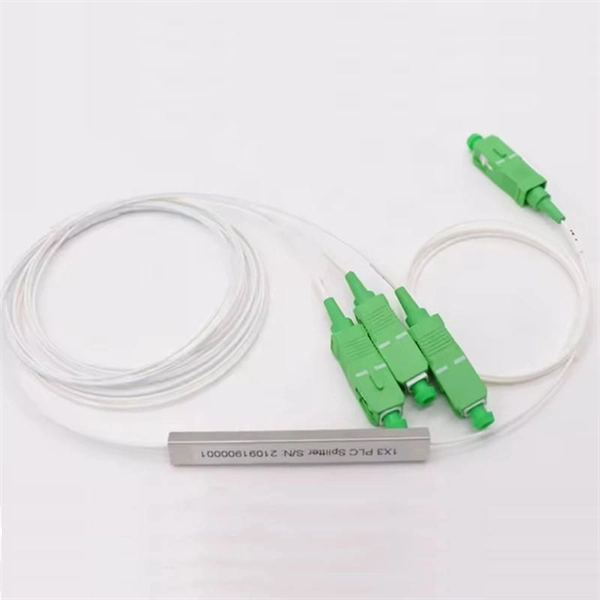
Fiber Optic Splicing Lighting
Fiber optic splicing is the process of joining two fiber optic cables together so that light signals can pass with minimal loss or reflection. Once melted, the fibers are joined into one continuous piece. Here's how it works step by step: 1. Fiber optic strands are...
[PDF Version]
-
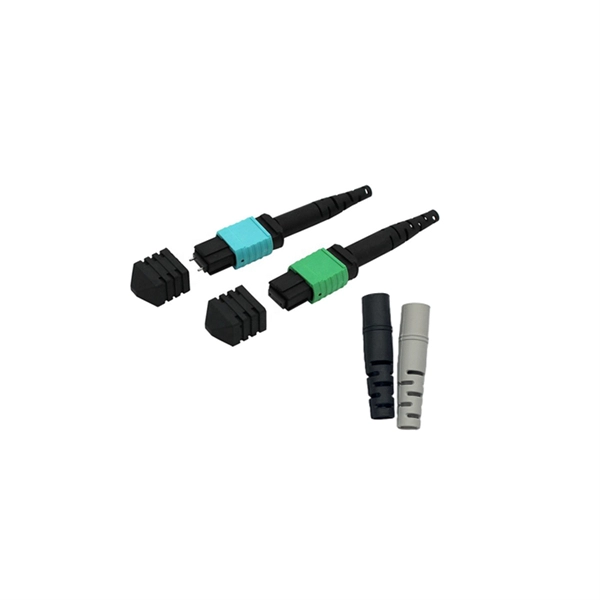
Is fiber optic cable splicing a direct fusion process
It is a technique that uses controlled heat to permanently fuse two optical fiber ends together. Unlike mechanical splicing, which relies on alignment sleeves and index-matching gel, this thermal approach creates a continuous glass path between fibers. The result is a joint...
[PDF Version]
-

Trunk Fiber Optic Fusion Splicing Equipment
Fusion splicer enable splicing of Fiber Optic Cable with low loss and high reliability. For fusion splicer, we offer two types: Core alignment fusion splicer, which bring high performance and functionality, and Cladding alignment fusion splicer, which are superior. Efficient...
[PDF Version]
-

US Fiber Optic Cable Splicing Plant
Enter your city or state and select a service type — telecom, fiber optic, or copper cable splicing. Submit a lead form directly to the contractor. Get a response fast for. AFS has the capacity to splice both single and ribbon fibers, single-mode and multi-mode with...
[PDF Version]
-
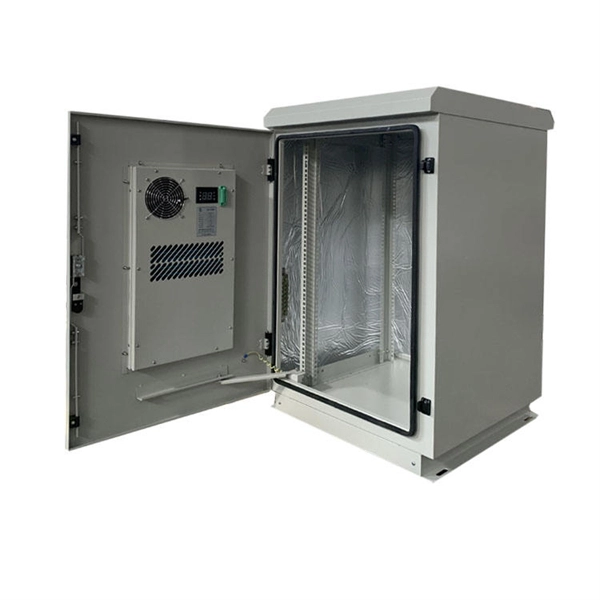
Fiber optic cable splicing inspection process
Strip the fiber optic cable to the appropriate length. Clean the stripped fiber using alcohol wipes. 5 provides field technicians and managers with standardized procedures for FTTH builds, PPE readiness, splice enclosure selection, waste management, and inspection protocols...
More from the technical library
- Which company makes cable trays in Israel
- Active devices for photoelectric conversion
- Why does single-mode fiber transmit over long distances
- Methods for fixing ordinary cable tray covers
- Manufacturer of low-noise cold aisle fiber protection tubing
- Selection Guide for Broadcast-Grade EPON Equipment OSFP
- Multiple PoE switches converge