
Understanding Ethernet Patch Cords In Modern Networks
Search optical fiber, connectivity, cable management and network infrastructure references.
-
Should patch cords be made of fiber optic or Ethernet cable
Ethernet patch cables are short Ethernet cables (short network cables), also known as network or copper patch cables. Ethernet or RJ45 cables connect devices within a local area network (LAN). These cables are crucial for internet connections, local network connections, and...
[PDF Version]
-
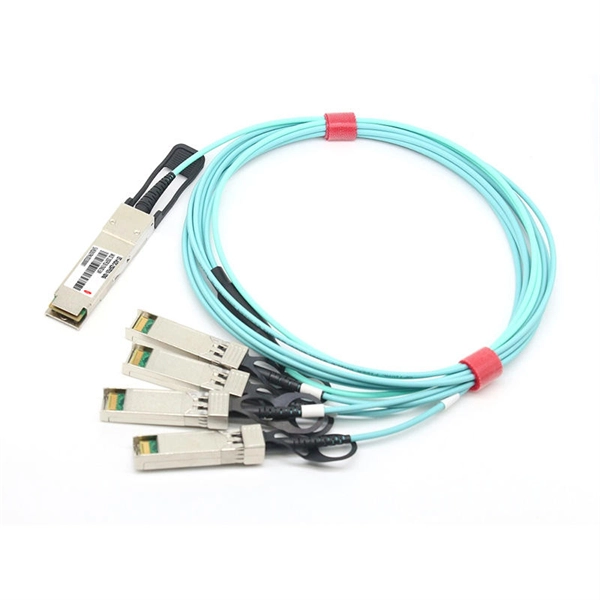
Lifespan of Carrier-Grade Fiber Optic Patch Cords
Theoretical Lifespan: 30 to 50 Years. In a perfect vacuum, the silica glass (SiO2) core does not degrade. Manufacturers like Wolontek design cables to remain within attenuation specs for this period. The lifespan of a fiber optic patch cord typically ranges from 5 to 20...
[PDF Version]
-
Why are fiber optic patch cords so soft
A fiber-optic patch cord is constructed from a core with a high refractive index, surrounded by a coating with a low refractive index, that is strengthened by aramid yarns and surrounded by a protective jacket. Unlike backbone cables, patch cords are frequently connected...
[PDF Version]
-
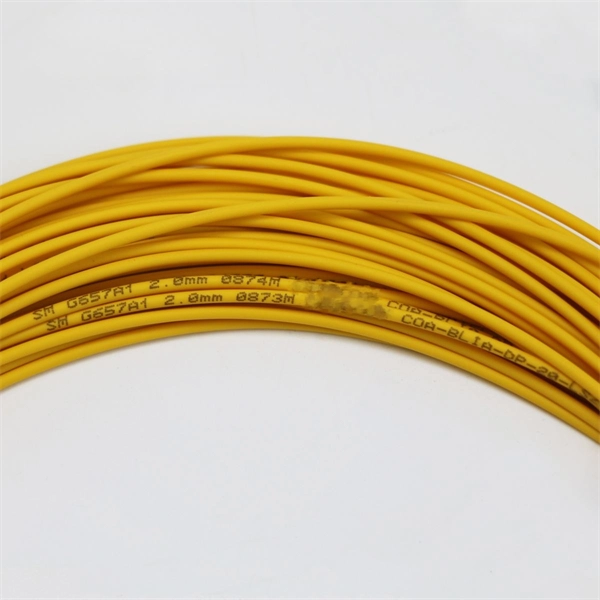
The function of fiber optic extension cables and patch cords
Fiber patch cords, or fiber patch cable are optical cables with connectors on both ends, designed to link devices in a network and transmit signals with high precision. These cables play a vital role in modern communication systems by ensuring fast and reliable data transfer...
[PDF Version]
-
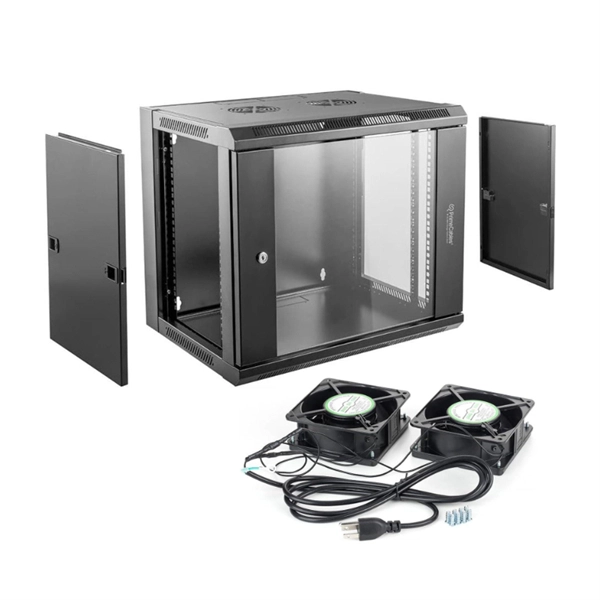
How to connect fiber optic patch cords inside a low-voltage box
The ideal structure for connecting two fiber cables is as follows: Cable A → Adapter Panel → Patch Cord → Adapter Panel → Cable B How It Works Fiber Adapters: Bridge the two connector types (e., SC to LC, or SC to SC). Patch Cords: Provide a short, flexible link. This guide...
[PDF Version]
-
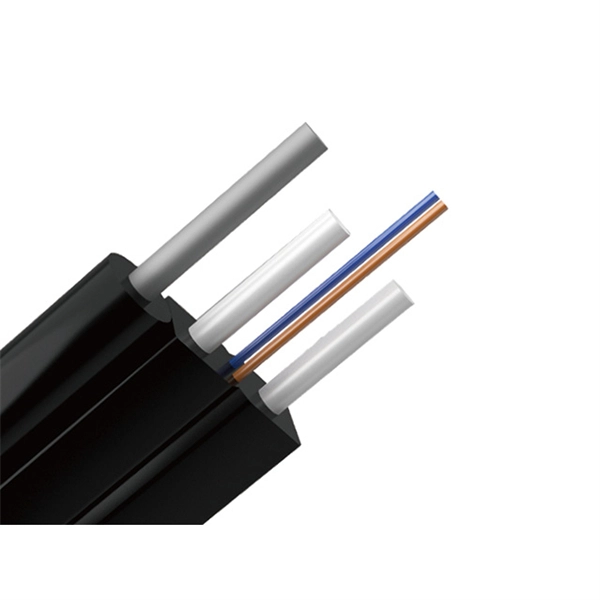
Are fiber optic patch cords considered fiber optic cables
A fiber-optic patch cord is a cable capped at each end with connectors that allow it to be rapidly and conveniently connected to equipment. This is known as interconnect-style cabling.