
What does an optical transceiver do?
Optical modules are mainly packaged by optoelectronic devices TOSA/ROSA, functional circuits and optoelectronic interface components. The optical t...
Search optical fiber, connectivity, cable management and network infrastructure references.
Optical Transceiver Datasheet Guide: SFP Specs & PDF DownloadsLearn how to read an optical transceiver datasheet, understand SFP specifications, compare 1G.
[PDF Version]
This article will analyze key performance parameters such as transmission rate, wavelength, numerical aperture (NA), output power, and receive sensitivity of optical modules. It will also discuss how to choose suitable optical modules based on practical requirements. As...
[PDF Version]
Common optical module types such as SFP, GBIC, XFP, and XENPAK, along with optical interfaces like FC, SC, and LC, each have their unique characteristics that make them suitable for specific application scenarios. The performance of a network is heavily dependent on the...
[PDF Version]
These modules use fiber optic technology for quick and steady communication between edge nodes. This makes the distance and number of network hops smaller, so speed goes up and. Optical modules help edge computing move data very fast. 100G QSFP28 transceivers have the exact...
[PDF Version]
Choose EDFA for long-haul and DWDM networks, Raman amplifiers for ultra-long or noise-sensitive systems, and SOA for compact or integrated optical solutions. The selection depends on required bandwidth, gain, and noise performance. 📦 For purchasing, use the RP Photonics...
[PDF Version]
SFP transceivers are available with a variety of transmitter and receiver specifications, allowing users to select the appropriate transceiver for each link to provide the required optical or electrical reach over the available media type (e.g. or copper cables, or cables)...
A practical, engineer-friendly guide to choosing the right transceiver form factor by speed, port density, power, migration plan, and operational risk—built for 25G/100G networks in 2026. 25G SFP28 is the new access/server baseline; deploy it for port density and long-term...
[PDF Version]
10 companies in the optical transceiver industry chain 2024To help you choose the best partner, this article will analyze and introduce 10 companies in the.
[PDF Version]Optical modules are mainly packaged by optoelectronic devices TOSA/ROSA, functional circuits and optoelectronic interface components. The optical t...
The upstream industry of optical modules mainly includes optical chips, optical components and optical devices, and the downstream industry mainly...
Lorem ipsum dolor sit amet, consectetur adipiscing elit. Ut elit tellus, luctus nec ullamcorper mattis, pulvinar dapibus leo.
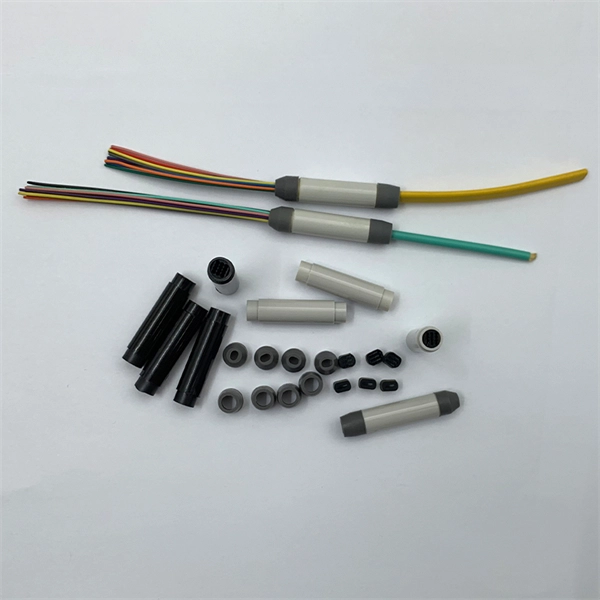
With multiple types available—Through-beam, Diffuse-reflective, Retro-reflective, Distance-settable, and Limited-reflective—they can be selected based on the application requirements such as distance, object type, environmental conditions, and detection accuracy...
[PDF Version]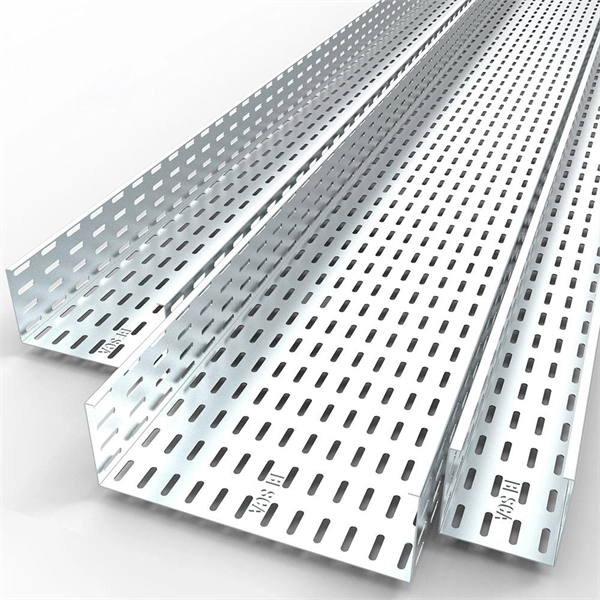
The most secure solution is to install a fiber NIC (Network Interface Card) into the PCI slot of a desktop computer. The NIC has a fixed optical connector or an SFP slot where different modules can be used to support speeds from 100M to 10 Gigabit. Most computers are not...
[PDF Version]Share the fiber interfaces, termination capacity, cable route and evidence required for handover.