
Ultimate Guide To Fiber Optic Patch Cables Types Selection And
Search optical fiber, connectivity, cable management and network infrastructure references.
-
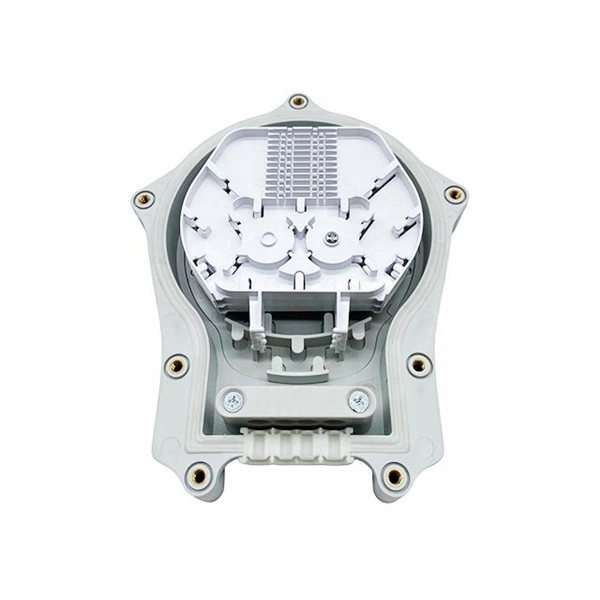
Fiber Optic Patch Cord Assembly Selection Guide
This article is a selection guide for Fiber patch cords and pigtails, which systematically introduces the definitions and differences between the two, different application environments and construction types, specifications and parameters of single core and multi-core Fiber...
[PDF Version]
-
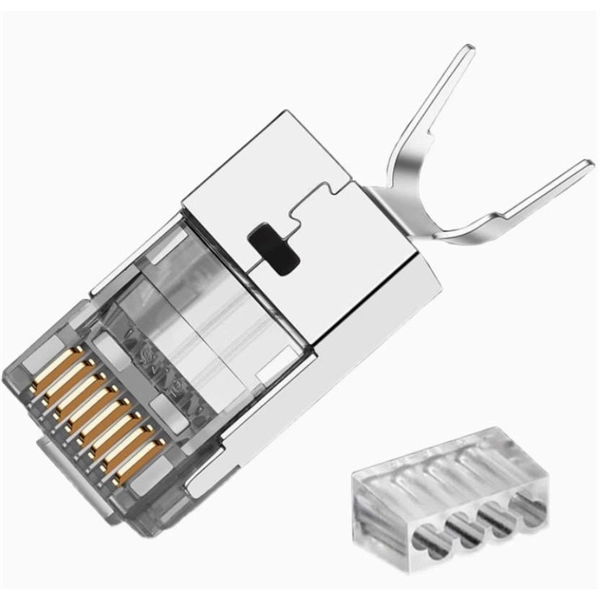
Odf fiber optic patch panel incoming and outgoing cables
An Optical Distribution Frame (ODF), also known as a fiber optic patch panel, is a specialized hardware unit that centralizes fiber optic cable connections. Acting as a “traffic hub” for light signals, an ODF: Organizes incoming and outgoing fiber cables. With the rise of...
-
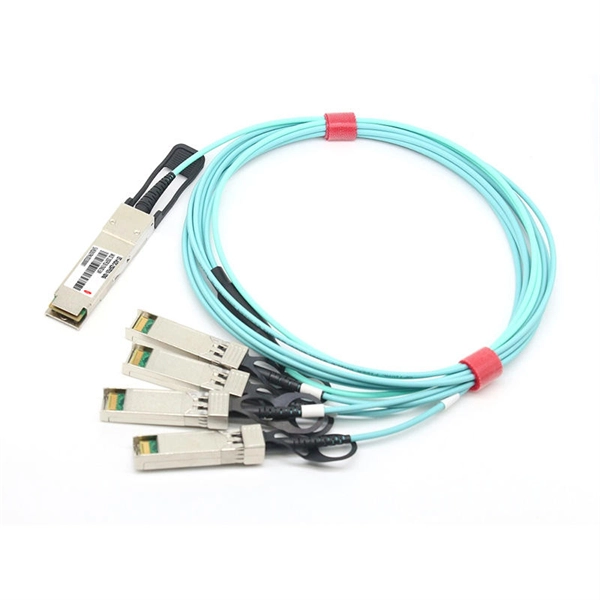
Lifespan of Carrier-Grade Fiber Optic Patch Cords
Theoretical Lifespan: 30 to 50 Years. In a perfect vacuum, the silica glass (SiO2) core does not degrade. Manufacturers like Wolontek design cables to remain within attenuation specs for this period. The lifespan of a fiber optic patch cord typically ranges from 5 to 20...
[PDF Version]
-
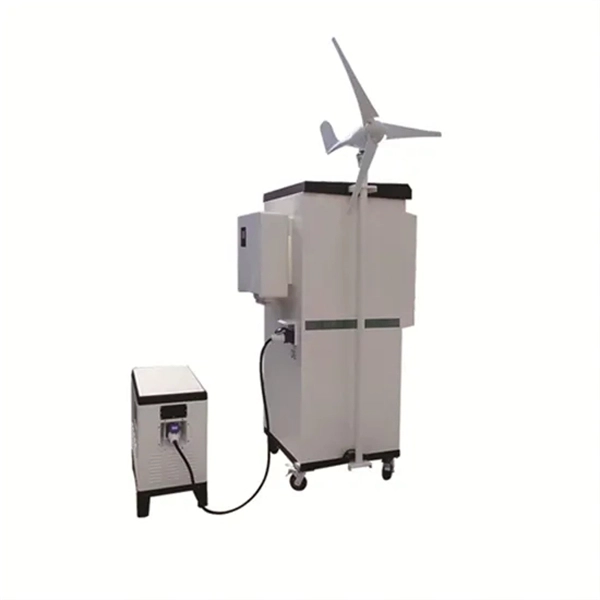
How to organize an overly long fiber optic patch cord
- Use splice trays or enclosures to organise and protect fibre optic splices and terminations. A popular item that we offer from. Effective cable management is essential for maintaining a well-organised and efficient network infrastructure. Proper arrangement not only...
-
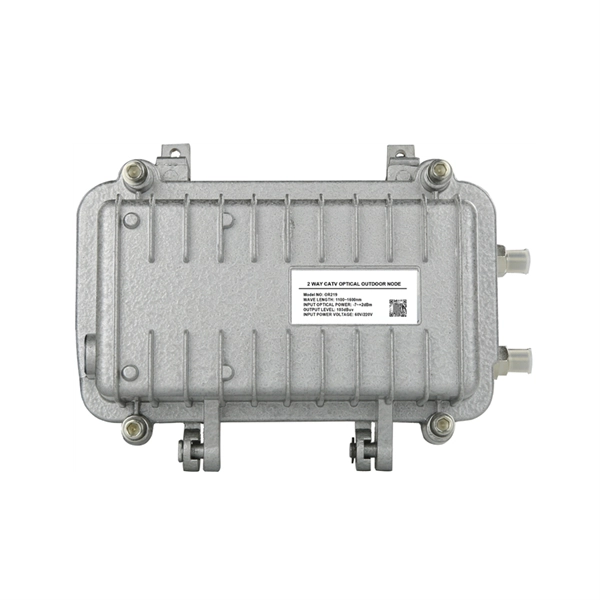
Why are fiber optic patch cords so soft
A fiber-optic patch cord is constructed from a core with a high refractive index, surrounded by a coating with a low refractive index, that is strengthened by aramid yarns and surrounded by a protective jacket. Unlike backbone cables, patch cords are frequently connected...
[PDF Version]
-
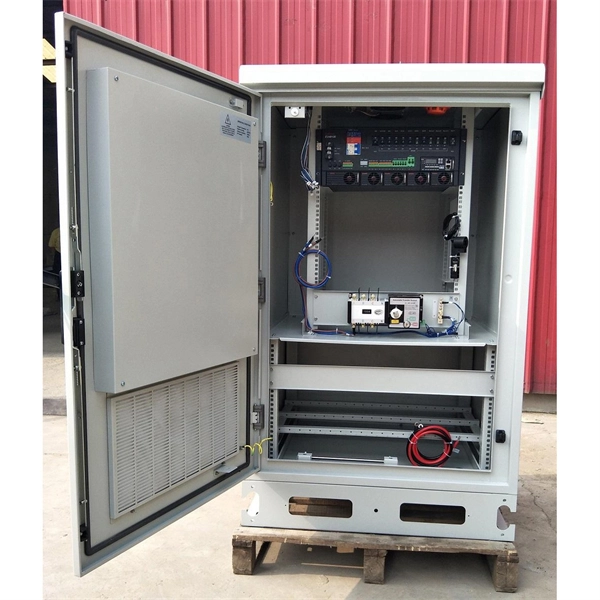
How much loss does a 1-meter fiber optic patch cord have
The max insertion loss of a fiber patch cable is 0. For each connector, we usually figure 0. 75 max per EIA/TIA 568) When testing cable plants per OFSTP-14 (double ended). At TREND Networks, we are frequently asked how much loss is allowed when conducting testing on fiber...
[PDF Version]
-
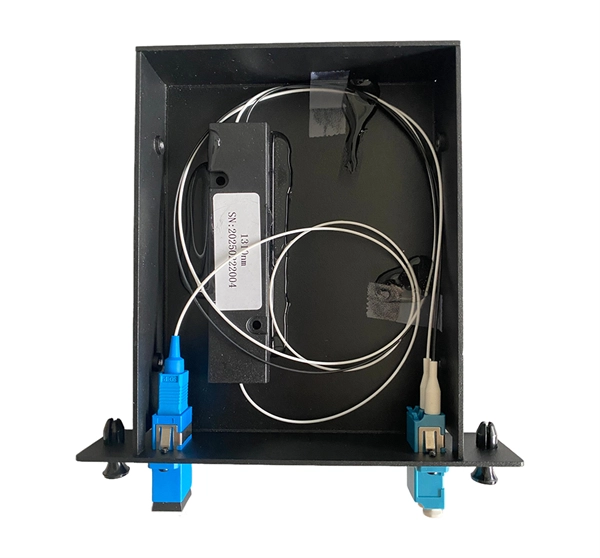
What s wrong with the fiber optic patch cord uplink
99% of the time, the problem is fiber polarity — specifically, Transmit (Tx) talking to Transmit and Receive (Rx) talking to Receive instead of Tx ↔ Rx. Good news: it's incredibly easy to understand and fix once you know the “two-lane highway” rule. Fiber optic patch cords...
[PDF Version]
-
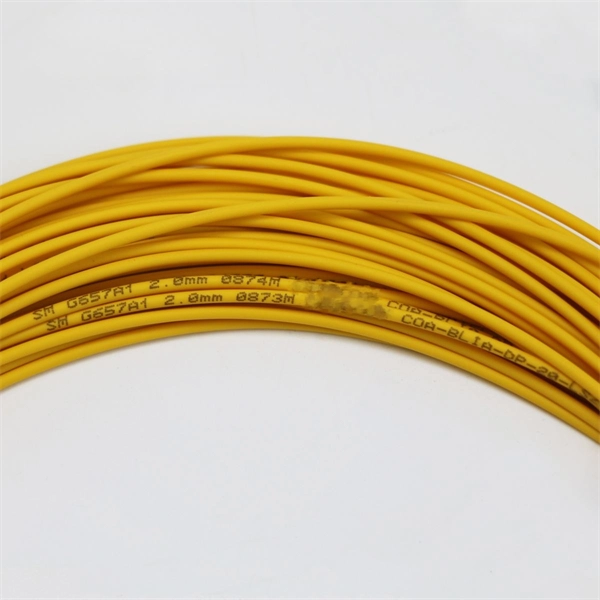
The function of fiber optic extension cables and patch cords
Fiber patch cords, or fiber patch cable are optical cables with connectors on both ends, designed to link devices in a network and transmit signals with high precision. These cables play a vital role in modern communication systems by ensuring fast and reliable data transfer...
[PDF Version]
-
Commonly used fiber optic patch cord models
Among the types of fiber optic patch cords, SC patch cords and LC patch cords are the most commonly used types because they have strong compatibility, flexible wiring, support single-mode and multi-mode fiber optic transmission, and meet the diverse needs from short-distance...
[PDF Version]
-
Does an LC to SC fiber optic patch cord have a positive and negative orientation
In duplex connectors such as LC and SC, polarity is achieved by the physical orientation of the connector pair or by reversing the fiber position inside the duplex clip. Patch cord polarity defines the directional optical path between two transceivers, ensuring that the...