
The Ultimate Guide To Setting Up A Home Network
Search optical fiber, connectivity, cable management and network infrastructure references.
-
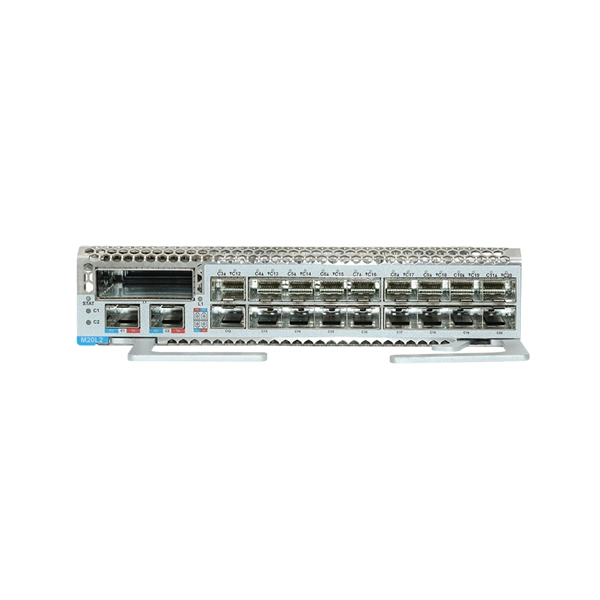
Selection Guide for Low-Loss Active Optical Modules for Power Grid Private Networks
This article will analyze key performance parameters such as transmission rate, wavelength, numerical aperture (NA), output power, and receive sensitivity of optical modules. It will also discuss how to choose suitable optical modules based on practical requirements. As...
[PDF Version]
-
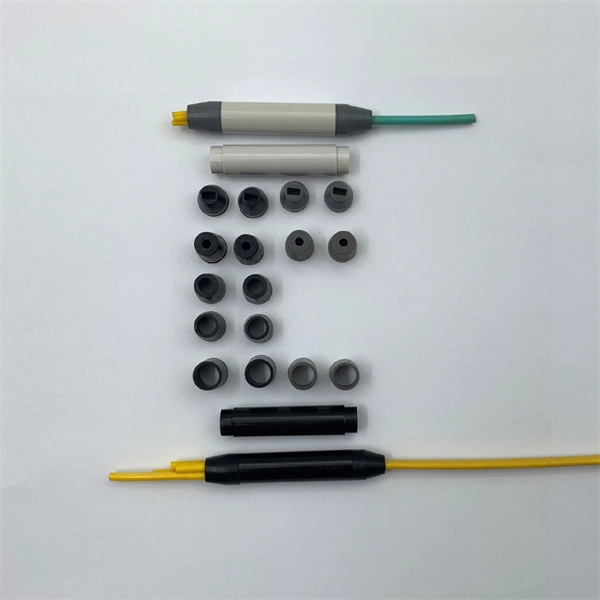
Airport-grade Passive Optical Network QSFP-DD Selection Guide
This guide explains how to choose QSFP-DD transceivers step by step, helping you avoid costly mistakes and ensure compatibility across your network. Cisco QSFP-DD and OSFP 800G ZR/ZR+ digital coherent optics modules enable 800G traffic over amplified Dense Wavelength-Division...
[PDF Version]
-
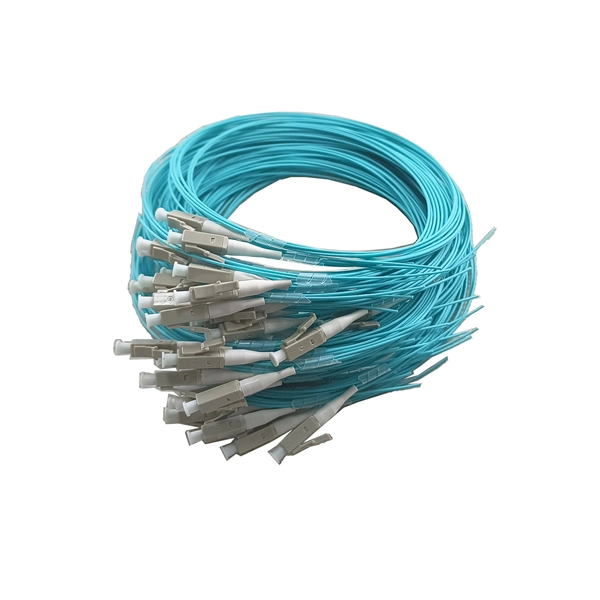
Practical Guide to Selecting 6-Core Optical Cables
When selecting a 6 core fiber optic cable for your networking needs, prioritize single-mode over multimode if you require long-distance transmission (over 550 meters), and ensure the cable includes tight-buffered or loose-tube construction based on indoor or outdoor use. For...
[PDF Version]
-
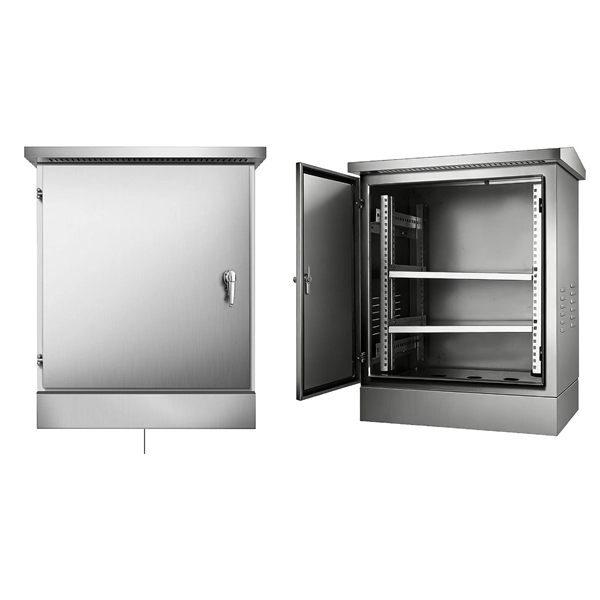
Setting parameters for the electrical distribution box at the Monaco construction site
Choose the right box based on environment (indoor/outdoor), load capacity, and durability. Check for proper IP/NEMA ratings and material quality. A construction power distribution box is an essential part of a construction site as it ensures that the power needs of all the...
[PDF Version]
-
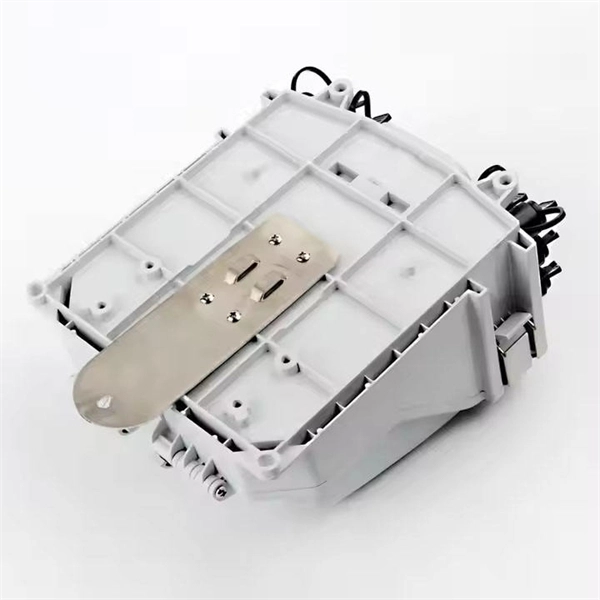
Relay protection setting coordination
Relay coordination refers to setting protective devices so that the relay closest to the fault operates first, while upstream relays act as backups. Relay coordination is one of the most critical aspects of electrical power system protection. The protective philosophy is...
[PDF Version]
-
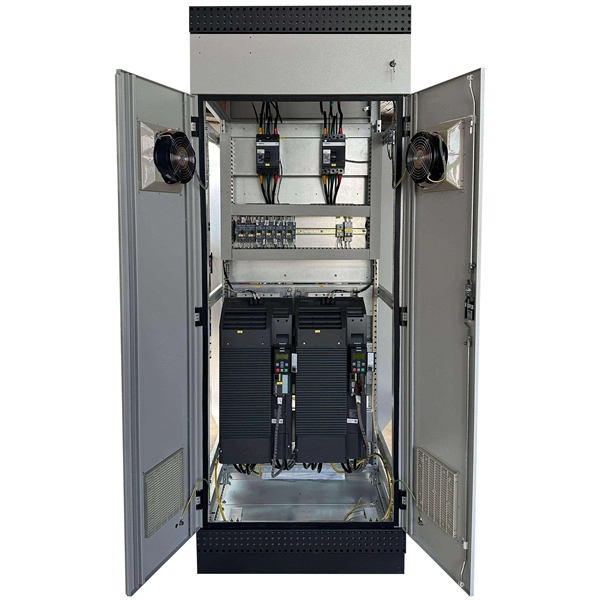
What is the appropriate temperature setting for Huawei s cold aisle server racks
Maintaining 68°F–77°F (20°C–25°C) minimizes overheating risks while balancing cooling expenses. ASHRAE recommends this range for modern servers, though some operators push to 80°F (27°C) for energy savings. Set the temperature and humidity parameters by referring to Table...
[PDF Version]