
The Key Points For Optimizing The Performance Of Optical Modules
Search optical fiber, connectivity, cable management and network infrastructure references.
-
Key Points for On-site Inspection of Distribution Boxes
Check for signs of corrosion or rust. Inspect for any physical damage to the enclosure. Ensure that all labels and warning signs are legible. Forget cookie-cutter checklists – we're talking about the real, practical inspection points that determine whether a distribution box...
[PDF Version]
-
Key Points for Distribution Box Layout
Designing an effective layout for a plastic distribution box requires careful consideration of electrical requirements, safety standards, and practical installation needs. Safety and Reliability – Whether it's a power plant, manufacturing plant, mine, or subway system...
[PDF Version]
-
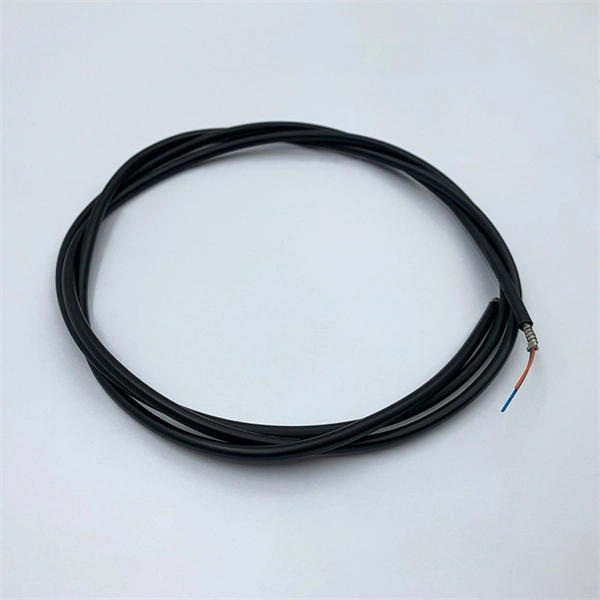
Key Design Points for Optical Cable Lines
Discussion on the Key Points of Optical Cable Line Construction. In the construction process of optical fiber communication engineering, it is necessary.
[PDF Version]
-
Requirements for welding points in distribution boxes
The welding and bolt connection of the distribution box shall be firm, and the weld joint shall be uniform, bright and clean, free of defects such as welding skin, weld through, air hole, etc. In the manufacturing process of metal distribution boxes, welding constitutes a...
[PDF Version]
-
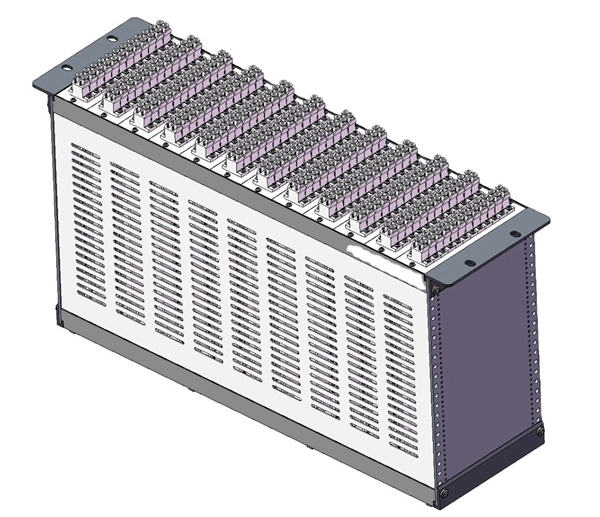
Where are the performance metrics for AI servers
Trusted benchmarks like ImageNet, COCO, GLUE, and MLPerf allow companies to compare AI performance against leading models and validate effectiveness. Relying on accuracy alone can be misleading. You need three measurement layers working together: model performance metrics...
-
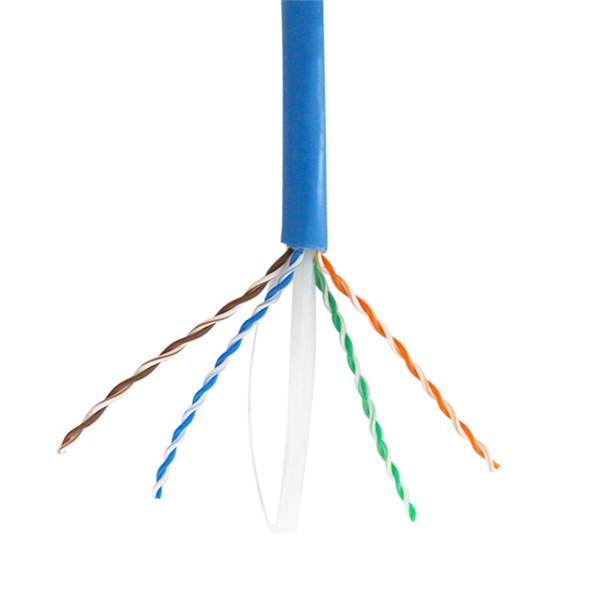
Fiber optic array performance indicators
Evaluating ONU quality and reliability involves key performance indicators (KPIs) such as upstream and downstream data rates, bit error rate (BER), and signal-to-noise ratio (SNR). Given the critical role of fiber optic networks in contemporary communication, assessing their...
[PDF Version]
-
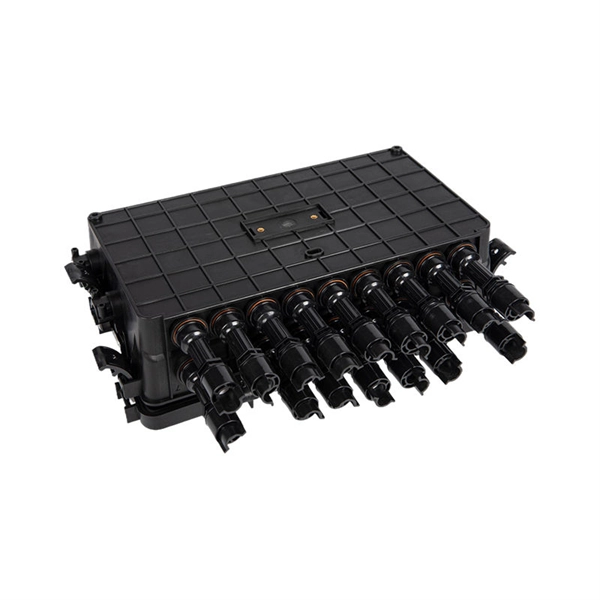
Spacing between fixed points inside the cable tray
Spacing Standards: Electrical (power) and instrumentation (signal/control) cable trays should maintain a minimum vertical and horizontal distance. The spacing between trays, whether horizontal or vertical, depends on various factors like cable type, environment, and tray...
[PDF Version]