
The Difference Between Buried Optical Cable Gyxtw53 Gyty53
Search optical fiber, connectivity, cable management and network infrastructure references.
-
Buried Optical Cable Technology
This guide provides a comprehensive overview of industry standards, best practices, and a complete solution for direct-buried fiber optic cable installation. Why Burial Depth Matters? Physical Damage: From digging, agriculture, ground freezing, and surface activities. When...
[PDF Version]
-
Construction route for buried optical cable
This document discusses fiber optic cable placement methodology, including pre-survey, trenching, plowing, and standards. A pre-survey is important for planning direct buried cable routes to determine reel locations and potential issues. Before the construction of buried...
-
Buried Optical Cable Location Detection
Cable locators, also known as electromagnetic locators, are widely used to find buried cables. These devices send signals through the cable, which can then be detected using a handheld receiver. It is often necessary to locate buried optical fiber cable to prevent dig-ups...
-
Buried Optical Cable Rating
The short answer, based on general industry standards and the National Electrical Code (NEC), is that fiber optic cable is typically buried between 24 inches (60 cm) and 30 inches (76 cm) deep. However, simply hitting this depth isn't enough to guarantee your network...
[PDF Version]
-
How many centimeters should the mobile optical cable be buried
A: According to general NEC standards and industry best practices, the minimum recommended depth for direct burial fiber optic cable is 24 inches (60 cm). However, simply hitting this depth isn't enough to guarantee your network survives. Factors like the. Bury cables from...
[PDF Version]
-
20-core optical cable qualified
GR-20-CORE, Generic Requirements for Optical Fiber and Optical Fiber Cable, documents the performance and reliability testing requirements to qualify optical fibers and optical fiber cables. This test program applies only to singlemode fibers. Silica fibers are constructed...
[PDF Version]
-
How is the sheath of a communication optical cable separated
This flexible insulating material is also called a sheath, typically a soft plastic material. On single-fiber cables (as diagramed above), this jacket OD is usually 2-3mm in diameter and can be stripped using common wire strippers of the appropriate gauge. The sheath is...
[PDF Version]
-
Ivory Coast Long-Distance Optical Cable G 652
The standard specifies the geometrical, mechanical, and transmission attributes of a single-mode optical fibre as well as its cable. The fibre has zero-dispersion wavelength around 1310 nm as per how it was designed, however it can also be used in the 1550 nm wavelength region.
-
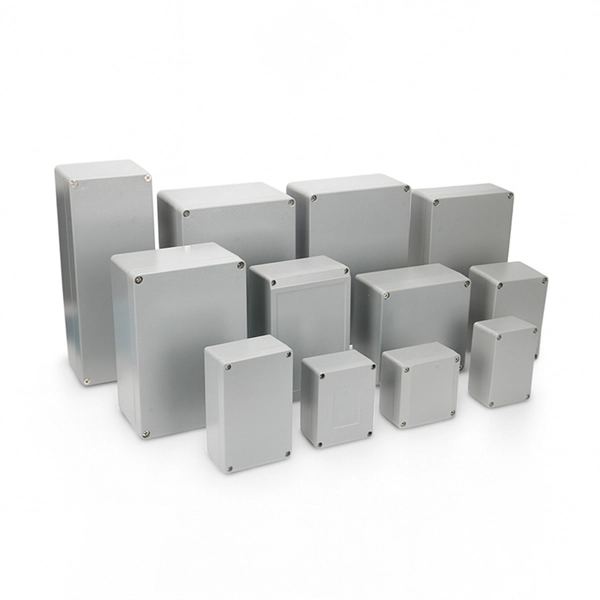
Indoor Flexible Optical Cable Termination
Fiber outlets or customer termination boxes are used for termination of fiber optic cables inside the premises. Indoor fiber optic cables are engineered for routing within buildings, data centers, and equipment rooms where flexibility, flame retardancy, and compact size...
-
The code for outdoor optical cable is
Often referred to by the code GYXTW in many markets. Structure: All 4 fibers sit loosely in a central jelly-filled tube. Pros: Waterproof, rodent-resistant, high tensile strength. Use Case: Direct burial, aerial lashing, or. What is a 4 Core Optical Cable? A 4 Core Optical...
[PDF Version]