
Terminal And Junction Boxes Selection Guide Types Features
Search optical fiber, connectivity, cable management and network infrastructure references.
-
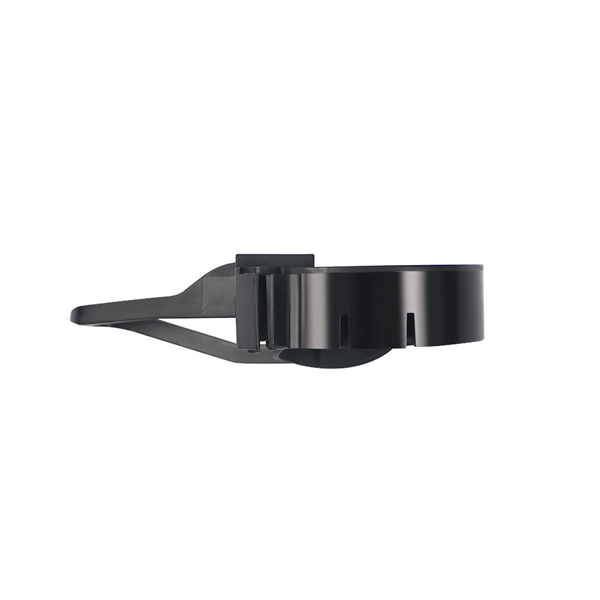
Comparison of Waterproof Junction Boxes Low Loss and Selection Guide
Waterproof Junction Boxes Electrical | Compare PC & ABSArticle Overview: This guide provides a structured comparison framework for evaluating Waterproof Ju.
[PDF Version]
-
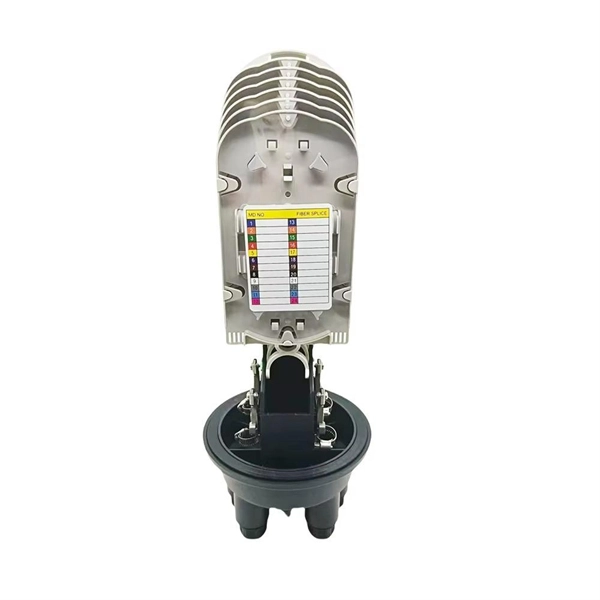
Are fiber optic boxes terminal boxes good for home use
Wall-mounted termination boxes are common in home fiber networks. They help organize and protect fiber optic cables indoors and outdoors. Good fiber optic. When selecting the best ftth fiber optic box for residential or commercial use, prioritize durability, splice capacity...
[PDF Version]
-
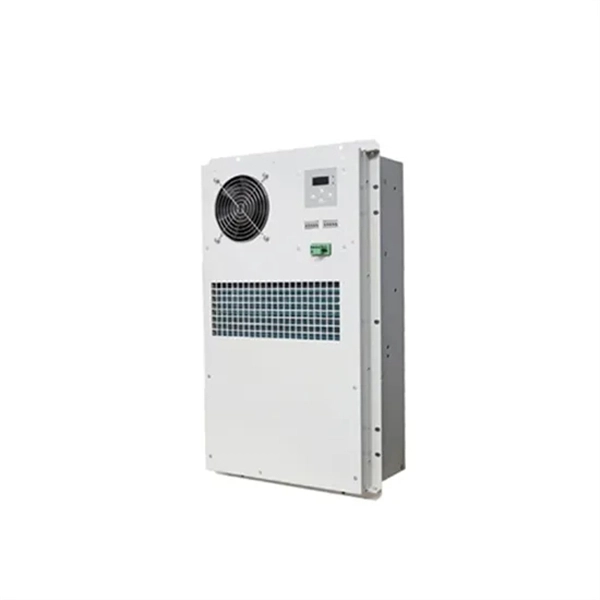
Advantages and disadvantages of junction boxes
Advantages: Lightweight, cost-effective, non-conductive, corrosion-resistant. Limitations: Lower impact resistance compared to metal, limited high-temperature performance. Without junction boxes, electrical wiring would be messy, unsafe, and difficult to repair. In this...
[PDF Version]
-
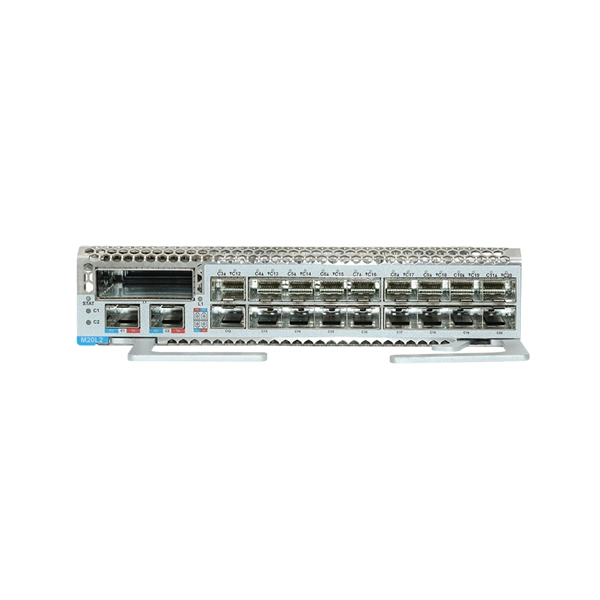
Selection Guide for Low-Loss Active Optical Modules for Power Grid Private Networks
This article will analyze key performance parameters such as transmission rate, wavelength, numerical aperture (NA), output power, and receive sensitivity of optical modules. It will also discuss how to choose suitable optical modules based on practical requirements. As...
[PDF Version]
-
Airport-grade Passive Optical Network QSFP-DD Selection Guide
This guide explains how to choose QSFP-DD transceivers step by step, helping you avoid costly mistakes and ensure compatibility across your network. Cisco QSFP-DD and OSFP 800G ZR/ZR+ digital coherent optics modules enable 800G traffic over amplified Dense Wavelength-Division...
[PDF Version]
-
Advantages of FC and LC terminal boxes
Ruggedness: Larger plastic housing and ferrule resist physical damage. Cost-Effective: Simple design lowers manufacturing costs (ideal for high-volume deployments). This comprehensive guide dives deep into the most common fiber connector types—LC, SC, FC, ST, and...
[PDF Version]