
How can one identify a broken fiber optic cable?
To identify a broken fiber optic cable, start by performing a visual inspection for any physical signs of damage, such as bends, cracks, or breaks...
Search optical fiber, connectivity, cable management and network infrastructure references.
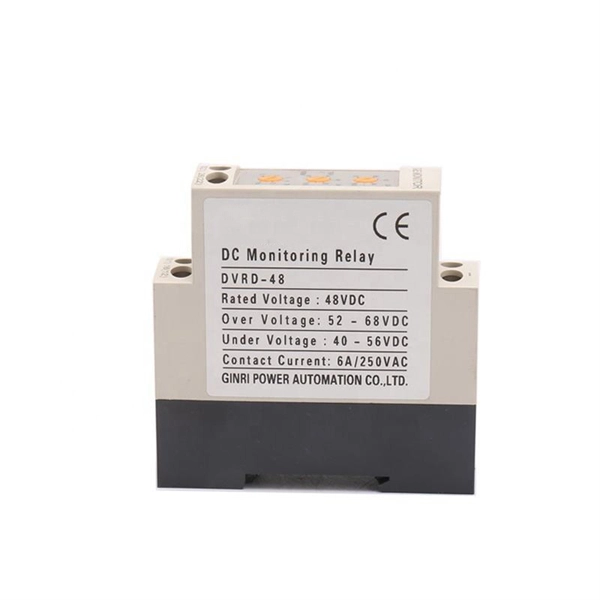
Your IDF is the central point on your building's floor where all internet connectivity (i.e., fiber, coax cable) originates. It holds the telecom and network equipment needed to activate an internet connec.
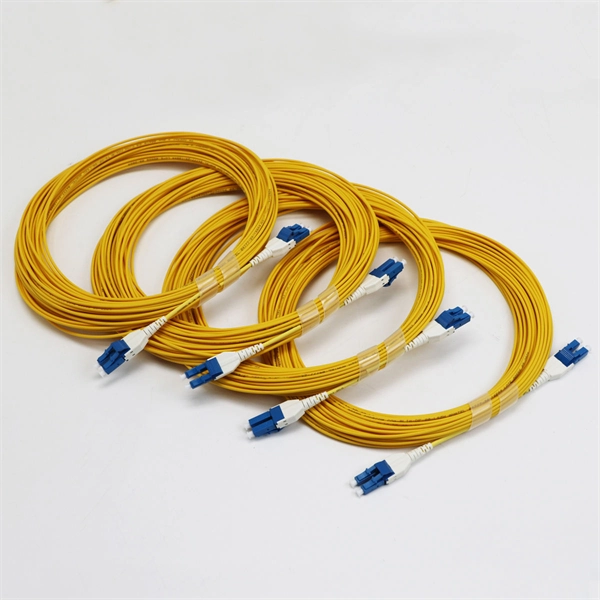
Fiber optic cables are often perceived as being fragile and prone to breakage, but this is not entirely accurate. While it is true that fiber optic cables can be damaged if they are bent or flexed too much, they are actually quite durable and can withstand a significant...
[PDF Version]
This telecommunication tower AutoCAD DWG file presents a detailed layout, elevation, and sectional drawing for a BTS tower installation. We prepare CAD drawings for towers and their foundations, considering not only the environmental load conditions that must be endured...
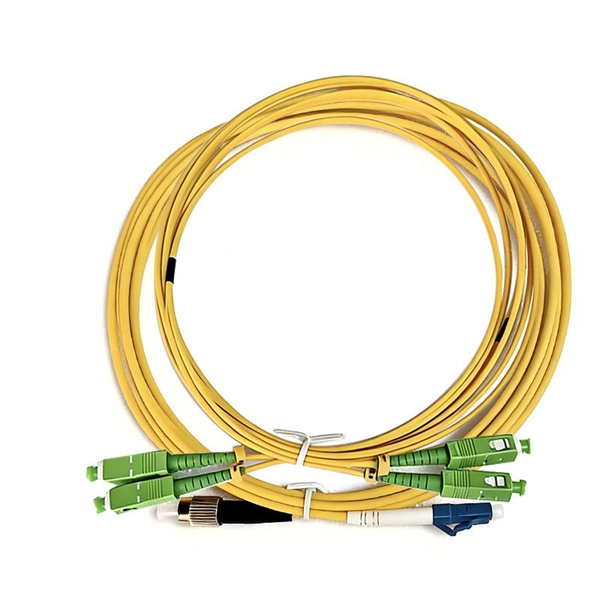
Fiber Optic Troubleshooting: Expert Guide for Common Troubleshoot fiber optic issues like a pro with our expert guide. Resolve common problems and ensure s.
[PDF Version]To identify a broken fiber optic cable, start by performing a visual inspection for any physical signs of damage, such as bends, cracks, or breaks...
There are several methods to test fiber optic cables without a tester. One method is using a visual fault locator (VFL), as mentioned earlier, to v...
Intermittent fiber optic connections can be caused by a variety of factors, including: Poorly terminated connectors or splices that result in unsta...
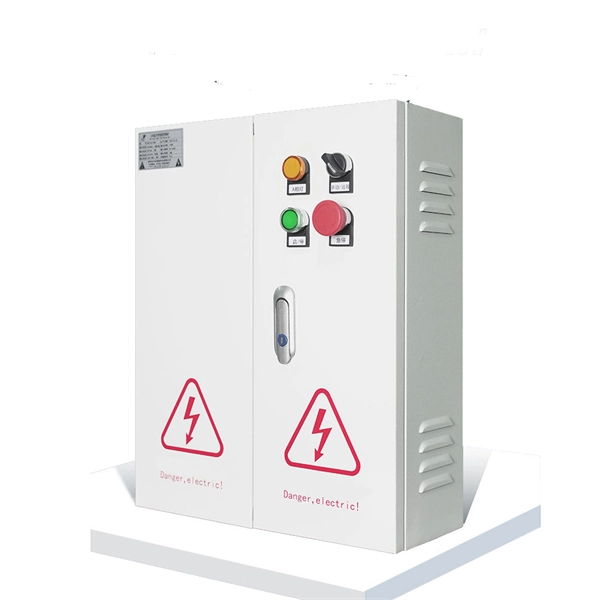
Buyers typically pay for fiber laying by combining material costs, labor time, and permitting plus trenching or aerial support fees. The main cost drivers are trench depth, fiber count and type (single-mode vs multi-mode), conduit requirements, and local permitting rules...
[PDF Version]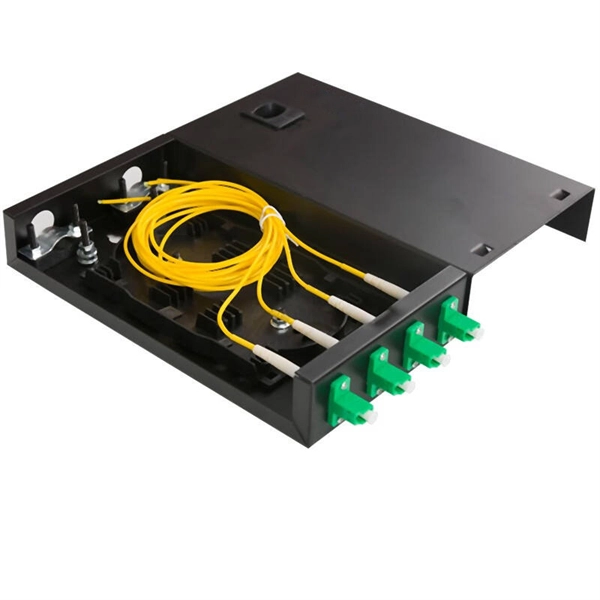
It is available in three sizes, accommodating 100, 250, or 500 meters of cable. The specified capacity is based on a 5. All sizes feature double flanges for easy access to the inner cable and a protected storage area for the connectors. Discover our Fiber Optic Cable Reels...
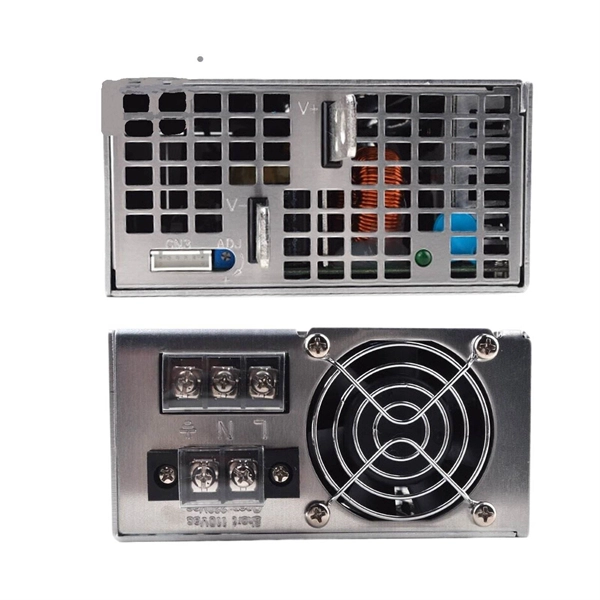
Understand how to choose fiber optic cable by comparing single‑mode vs. multimode, network speed and distance needs, cable jackets/fire ratings, connectors, cost and future‑proofing for data and telecom networks. At Link-PP, we specialize in fiber optic cables. A fiber optic...
[PDF Version]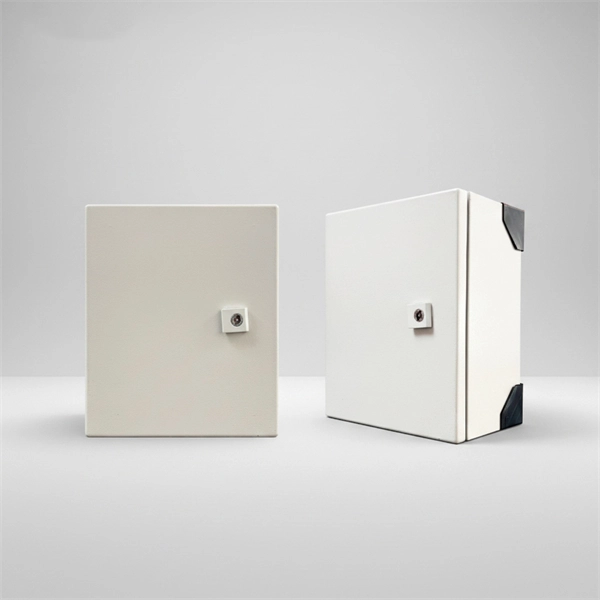
The raw materials used in fiber optic cables—ranging from ultra-pure silica glass for the core and cladding, to polymers like polyethylene and aramid yarn for protection and strength—are carefully selected to ensure optimal performance, durability, and environmental...
[PDF Version]
“To troubleshoot fiber network issues, start by inspecting physical connections, testing signal strength, and verifying device functionality. Use OTDR for advanced diagnostics and resolve configuration errors to restore performance. ” External Links FootnotesWhen issues like...
[PDF Version]To identify a broken fiber optic cable, start by performing a visual inspection for any physical signs of damage, such as bends, cracks, or breaks...
There are several methods to test fiber optic cables without a tester. One method is using a visual fault locator (VFL), as mentioned earlier, to v...
Intermittent fiber optic connections can be caused by a variety of factors, including: Poorly terminated connectors or splices that result in unsta...
The calculation follows this formula: Total Link Loss = (Cable Attenuation) + (Connector Losses) + (Splice Losses). Cable attenuation is found by multiplying the fiber length in kilometers by its loss coefficient (e. Select a cable type or choose custom cable values. Enter...
[PDF Version]Share the fiber interfaces, termination capacity, cable route and evidence required for handover.