DOLPHIN FIBERNetwork equipment for Africa Send a project enquiry
Fiber network equipment / Technical library Optical reference library

T Check fiber optic cable faults

Jump to a section
Source context

AI source overview

Fiber optic cable faults can be identified through a combination of visual inspection, cleaning, and specialized testing tools like OTDRs and visual fault locators. Step 1: Initial InspectionStart by checking for visible damage to cables, connectors, and ports. Look for cuts, bends, kinks, or loose connections, as these are common causes of signal loss or intermittent connectivity.

Inspect connectors for dirt, dust, or oil contamination, which can significantly degrade performance. Use a fiber optic microscope to examine connector end-faces and clean them with lint-free wipes or specialty cleaning tools if necessary. Step 2: Basic TroubleshootingPower cycle devices such as optical network terminals (ONTs), switches, or routers to rule out temporary glitches.

Verify that all equipment is powered and functioning correctly. Check indicator lights for LOS (Loss of Signal) or other alarms that may indicate a fault. Step 3: Use Testing ToolsVisual Fault Locator (VFL): Emits visible red light to quickly identify breaks, bends, or poorly installed connectors in short or accessible runs.

Optical Time-

Domain Reflectometer (OTDR): Measures signal loss along the fiber and pinpoints the exact location of breaks, splices, or high-attenuation points, especially useful for long or buried cables. Optical Power Meter and Light Source: Measures signal strength and insertion loss to detect weak links or degraded performance. Step 4: Identify Specific Fault TypesContamination: Clean connectors and re-test; contamination is the leading cause of field failures.

Bend Loss: Check for tight loops or bends exceeding the fiber's minimum bend radius; gently flex the cable while monitoring signal loss to detect bend-related attenuation. Splice or Connector Issues: Inspect fusion or mechanical splices; replace or re-terminate if loss is excessive. Physical Damage: For obvious cuts or crushed sections, replace or reroute the cable and improve mechanical protection.

Step 5: Confirm and Restore OperationAfter corrective actions, re-test the link to ensure normal operation. If the problem persists, revisit the inspection and testing steps, or consult the equipment supplier's technical support for complex issues.

Preventive Measures

Regularly clean and inspect connectors. Maintain proper cable routing and bend radius. Monitor signal strength and replace aging components proactively.

Follow standardized color coding and connector types to avoid misconfigurations. By following this structured approach, you can efficiently locate and resolve fiber optic cable faults, minimizing downtime and maintaining optimal network performance.

Research context

Reference summary

Fiber Optic Troubleshooting: Expert Guide for Common IssuesTroubleshoot fiber optic issues like a pro with our expert guide. Resolve common problems and en.

From reference to enquiry

Questions for your project

Use these editorial prompts alongside the linked excerpts. They identify items to confirm for your project.

Detailed reading / connection to installation

Fiber infrastructure reference
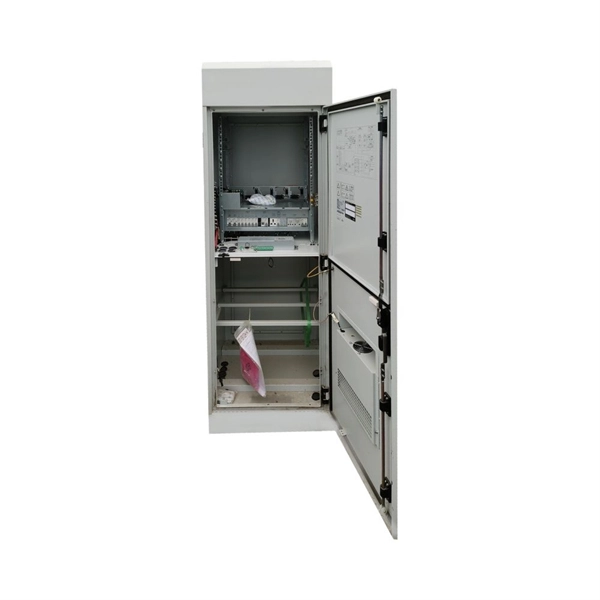
T Check fiber optic cable faults
Equipment illustration / verify against the selected product
Fiber Optic Troubleshooting: Expert Guide for Common Issues

Troubleshoot fiber optic issues like a pro with our expert guide. Resolve common problems and ensure seamless connectivity.

Fiber Network Troubleshooting – Common Issues & Fixes

Learn how to troubleshoot fiber networks. Identify common issues like high loss, dirty connectors, and signal drops, with practical solutions for optical links.

Common Fiber Optic Cable Problems And How To Troubleshoot Them

A well-built fiber link rarely fails, but when it does the symptoms can be short, confusing, and expensive to chase. This guide lists the actual, field-proven problems technicians encounter most often and

Fiber Optic cable Series-

The table below presents the primary faults of fiber optic cables. By employing an enumerative method based on the collected fault information, the fault can be comprehensively determined.

The Ultimate Fiber Troubleshooting Bible for Beginners 2025

Solve fiber troubleshooting issues fast with step-by-step tips for beginners. Keep your fiber optic network reliable and fix common internet problems easily.

White Paper: Troubleshooting Fiber

By comparing the loss of the link to the requirements of the technology, you can determine whether or not the fiber link is the source of a problem. They can also

Fibre Optic Cable Troubleshooting Guide: Common Issues and Solutions

In this comprehensive guide, we''ll explore common fibre optic cable issues encountered in network installations and provide practical solutions for troubleshooting and resolving these issues

How to Test a Fiber Optic Cable: Best Methods & Tools

Want to know how to test a fiber optic cable? We''ll look at the most common fiber testing methods and how to use them properly.

Demystifying Fiber Test Methods – Back to Basics

Effective fiber testing utilizes advanced tools such as Optical Loss Test Sets (OLTS), Optical Time-Domain Reflectometers (OTDR), and Visual Fault Locators (VFL) to diagnose and correct issues,

Locating cable faults | Kingfisher International

Locating optical cable faults Introduction Locating fiber cable problems can be a real challenge for a technician! Before accessing a cable, some important things may need considering: Is the situation

VisiFault™ Visual Fault Locator

You can diagnose and repair simple fiber link problems with Fluke Networks'' VisiFault TM Visual Fault Locator (VFL). The laser-powered VisiFault Visual

How to Test Fiber Optic Cable | Equal Optics

Do you know how to test fiber optic cable? Learn about fiber optic testing methods, tools, and best practices with this comprehensive guide from

Visual Fault Locators

Discover how Visual Fault Locators (VFLs) simplify fiber optic troubleshooting. Learn key features, use cases, and tips for accuracy and safety in our expert guide.

The Complete Guide to Fiber Testing for Continuity: Methods and Tools

Fiber optic continuity testing is vital for verifying cable integrity, and preventing data transmission issues caused by breaks or blockages. The three main methods for fiber optic testing

Everything you need to know about Fiber Optic Testing

After the cables are installed and terminated, it''s time for testing. For every fiber optic cable plant, you will need to test for continuity, end-to-end loss and then troubleshoot the problems.

How Do I Know if My Fiber Optic Cable is Broken? Simple Ways to

However, just like any other equipment, fiber optic cables can develop issues over time, and identifying these problems can be mind-boggling for many users. In this article, we will explore

Fiber Network Troubleshooting – Common Issues & Fixes

Fiber optic networks are celebrated for their speed and reliability, but even the best systems can encounter problems. When issues like signal loss, slow speeds, or intermittent

Fiber Optic Cable Testing 101: Tools, Techniques, and Industry

Fiber Optic Cable Testing Ensures network reliability by using tools like visible light sources, power meters, and OTDRs to measure signal loss, identify faults, and maintain system

Related Video Reference

This video was associated with the source search result. Verify technical details against current product documentation and project requirements.

6 questions about “T Check fiber optic cable faults”

How can one identify a broken fiber optic cable?

To identify a broken fiber optic cable, start by performing a visual inspection for any physical signs of damage, such as bends, cracks, or breaks...

What methods are used to test fiber optic cables without a tester?

There are several methods to test fiber optic cables without a tester. One method is using a visual fault locator (VFL), as mentioned earlier, to v...

What are the causes of intermittent fiber optic connections?

Intermittent fiber optic connections can be caused by a variety of factors, including: Poorly terminated connectors or splices that result in unsta...

How does end face contamination impact fiber optic performance?

End face contamination negatively impacts fiber optic performance by increasing signal loss, reflection, and scattering. Contaminants such as dirt,...

What factors contribute to fiber optic degradation?

Fiber optic degradation can be caused by several factors, such as: Physical stress on the cable, including bending, twisting, or crushing, which ma...

How can I resolve issues when my fiber internet is not functioning?

When your fiber internet is not functioning, follow these steps to resolve the issue: Verify that all connections are secure and properly seated, i...

Specify your fiber equipment

Share the fiber interfaces, termination capacity, cable route and evidence required for handover.

Send a project brief