
How can one identify a broken fiber optic cable?
To identify a broken fiber optic cable, start by performing a visual inspection for any physical signs of damage, such as bends, cracks, or breaks...
Search optical fiber, connectivity, cable management and network infrastructure references.
Fiber Optic Troubleshooting Guide: Problems, Tools & SolutionsLearn how to troubleshoot fiber optic cables with common problems, a step-by-step process, es.
[PDF Version]To identify a broken fiber optic cable, start by performing a visual inspection for any physical signs of damage, such as bends, cracks, or breaks...
There are several methods to test fiber optic cables without a tester. One method is using a visual fault locator (VFL), as mentioned earlier, to v...
Intermittent fiber optic connections can be caused by a variety of factors, including: Poorly terminated connectors or splices that result in unsta...
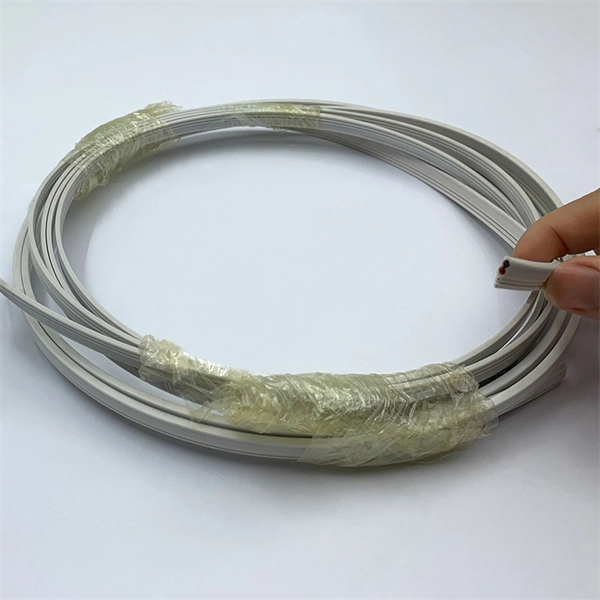
A fiber optic distribution box, also known as a fiber optic terminal box or fiber optic termination box, is a device used to connect and manage fiber optic cables in a network. Fully tested and ready for installation. Choose Ethernet Cable solutions for all applications...
[PDF Version]
Cable management: Panels integrate guides, trays, and strain relief to prevent stress on adapters and connectors. Labeling: Ports are numbered/labeled for troubleshooting and documentation. Dust protection: Shuttered adapters or flip-down dust covers are used in panels to. A...
[PDF Version]
These cards are designed for an internal PCIe slot of a system, feature small form factor pluggable (SFP) ports and will provide wired connectivity based on Ethernet at speeds up to 100Gb/s. SFP+ and SFP28 PCIe network cards for ultra-fast fibre networking. Fiber NICs come...
[PDF Version]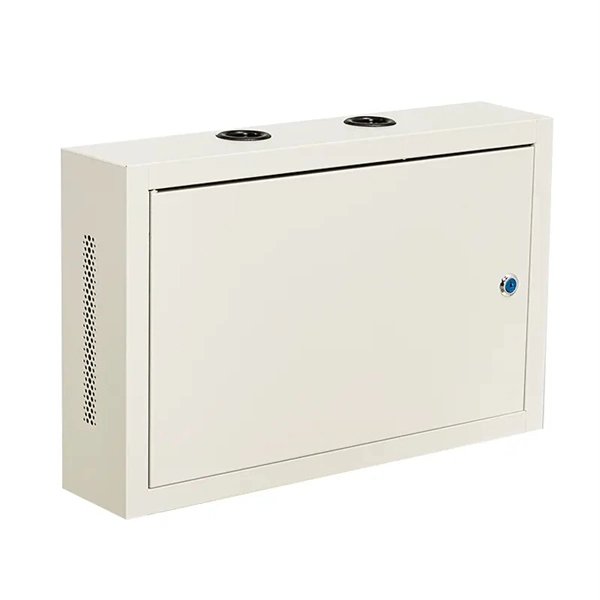
Fiber optic testing tools are essential for ensuring network reliability, performance, and proper installation. Devices such as Optical Power Meters, OTDRs, and Visual Fault Locators help technicians measure signal loss, locate faults, and verify fiber integrity. Optical...
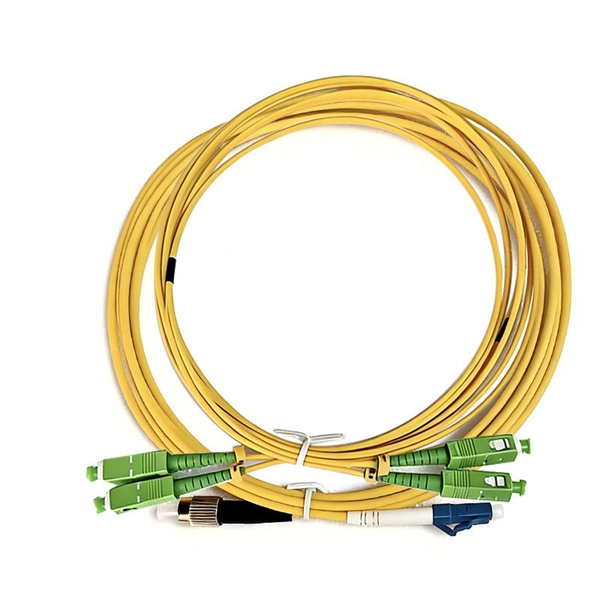
Fiber Optic Troubleshooting: Expert Guide for Common Troubleshoot fiber optic issues like a pro with our expert guide. Resolve common problems and ensure s.
[PDF Version]To identify a broken fiber optic cable, start by performing a visual inspection for any physical signs of damage, such as bends, cracks, or breaks...
There are several methods to test fiber optic cables without a tester. One method is using a visual fault locator (VFL), as mentioned earlier, to v...
Intermittent fiber optic connections can be caused by a variety of factors, including: Poorly terminated connectors or splices that result in unsta...
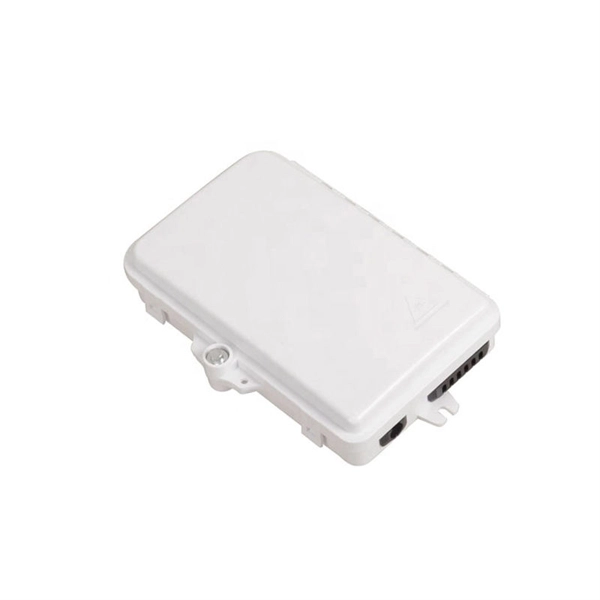
Fiber optic networks offer numerous advantages such as high bandwidth, long-distance transmission, and flexibility. When it comes to the topologies of optical fiber, there are several options to consider. As the demand for high-speed and reliable connectivity continues to...
[PDF Version]
This comprehensive guide will walk you through a logical, layered approach to diagnosing and fixing common switch problems, helping you restore connectivity and performance efficiently. Begin by looking at the power and LED lights on your network switch. Make sure all cables...
[PDF Version]
The basic SDH frame is known as the Synchronous Transport Module (STM), with the most common being STM-1, which operates at a rate of 155. Synchronous Optical Networking (SONET) and Synchronous Digital Hierarchy (SDH) are standardized protocols that transfer multiple digital...
Share the fiber interfaces, termination capacity, cable route and evidence required for handover.