DOLPHIN FIBERNetwork equipment for Africa Send a project enquiry
Fiber network equipment / Technical library Optical reference library

Standard for Temporary Electrical Distribution Boxes on Construction Sites

Jump to a section
Source context

AI source overview

Temporary electrical distribution boxes for construction sites are pre-wired, portable units designed to safely distribute power, protect equipment and personnel, and comply with industry standards.

Overview

Temporary distribution boxes, often called construction site power boxes or spider boxes, are used to provide reliable electricity in construction areas, outdoor events, or temporary installations. They are designed to handle harsh environments, including exposure to moisture, dust, and rough handling, while ensuring safety and operational efficiency.

Key Features

Enclosure and IP Rating: Boxes are typically housed in rugged, weather-resistant enclosures with IP ratings (e.g., IP65) to protect against water and dust ingress. Outdoor models often include elevated stands to prevent contact with mud or water. Circuit Protection: Integrated residual current devices (RCDs/GFCIs) and miniature circuit breakers (MCBs) protect users and equipment from overloads, short circuits, and ground faults.

Sockets and Connectors: Multiple outlets are provided, including industrial CEE sockets or standard safety sockets. Some boxes use pluggable systems like gesis®/RST® connectors for fast, error-free connections. Mobility and Setup: Many boxes are portable, lightweight, and pre-wired for quick installation and dismantling.

Some models, like ENERGYBOX ACS boards, can be wall-mounted or installed on supports for flexibility. Emergency Features: Emergency stop buttons and organized internal wiring improve safety and allow rapid shutdown in case of faults. Standards and ComplianceIEC 61439: Governs the construction and safety of low-voltage switchgear and controlgear assemblies.

IE

C 61535: Specifies requirements for installation connector systems used in temporary distribution.

OSH

A Guidelines: Emphasize safe temporary wiring practices, proper grounding, and the use of GFCIs to prevent electrocution on construction sites.

Practical Considerations

Load Capacity: Choose a box rated for the total expected load, including power tools, lighting, and temporary equipment. Environmental Conditions: For outdoor sites, select boxes with higher IP ratings and elevated placement to avoid water and mud damage. Ease of Use: Pre-wired and modular designs reduce setup time and minimize unsafe extension cord use.

Reusability: Durable materials like technopolymer or metal allow boxes to be reused across multiple projects.

Common Types

Spider Boxes: Portable units with multiple outlets, often used for distributing power to several tools simultaneously.

Pre-

Wired AC

S Boards: Wall-mounted or support-mounted boards with integrated circuit protection, suitable for larger construction sites.

Pluggable Exhibition/

Temporary Boxes: Flexible, modular boxes for indoor or dry areas, using connector systems like gesis® MINI or CLASSIC. Temporary electrical distribution boxes are essential for safe, efficient, and compliant power distribution on construction sites, providing protection for workers, equipment, and the project timeline. Proper selection based on load, environment, and safety standards ensures reliable operation and reduces hazards.

Research context

Reference summary

Temporary Jobsite Power Setup: NEC & OSHA Compliance GuideOSHA 29 CFR 1926. 405 and related standards cover temporary wiring practices on construction sites.

From reference to enquiry

Questions for your project

Use these editorial prompts alongside the linked excerpts. They identify items to confirm for your project.

Detailed reading / connection to installation

Fiber infrastructure reference
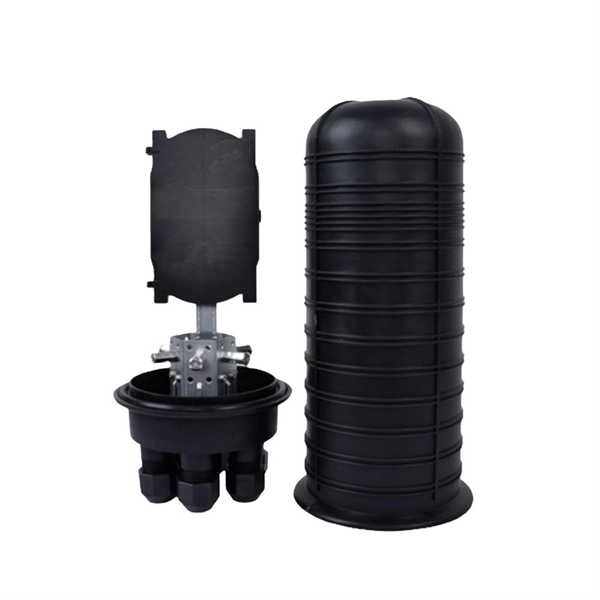
Standard for Temporary Electrical Distribution Boxes on Construction Sites
Equipment illustration / verify against the selected product
Temporary Jobsite Power Setup: NEC & OSHA Compliance Guide

OSHA 29 CFR 1926.405 and related standards cover temporary wiring practices on construction sites. These regulations are designed to reduce the risk of shock, fire, and equipment

How to Make Temporary Power Safer on Construction

Through a real-world project scenario, we explore how structured connectors, IP67 plug systems, and modular distribution cabinets create safer,

Temporary electrical wiring for construction sites

st control work practices involving temporary wiring. A safe, efficient temporary wiring system protects the client, the employer and the em-ployee by minimizing ser ous injuries, fires, pow-er failures and

Temporary Electric Power at Construction Sites

Temporary electric power installations at construction sites shall be installed and maintained in accordance with NECA 200-2016, Standard for Installing and Maintaining Temporary Electric Power

Temporary Power Construction Site Guide: Industrial

Discover how to supply temporary power safely on construction sites using E-abel distribution boxes, industrial plug sockets, and IP67 connectors for

IRC 2024 Temporary Construction Power: GFCI and Site Electrical

IRC 2024 Chapter 36, drawing from NEC Article 590, requires that all 120-volt, 15-ampere and 20-ampere receptacle outlets on construction sites be GFCI-protected with no exceptions.

NEC Article 590: Temporary Wiring for Construction Sites

Complete guide to NEC Article 590 temporary power requirements for construction sites. Learn GFCI protection rules, cord and cable requirements, temporary panel installation, and inspection

1926.405

The provisions of paragraph (a) (2) of this section apply to temporary electrical power and lighting wiring methods which may be of a class less than would be required for a permanent installation.

Electrical safety on construction sites

Revised guidance aligned to the health and safety when handling electrical devices on construction sites.

Temporary Electrical Installations for Construction Sites

There are several regulations and standards that govern temporary electrical installations for construction sites. These standards help ensure that installations are safe and effective.

Temporary Jobsite Power Setup: NEC & OSHA Compliance Guide

Ensure NEC & OSHA compliance with your temporary jobsite power setup using a reliable industrial portable power station.

ENERGYBOX Assemblies for Construction Sites (ACS) distribution

The panels are made in a sturdy and handy two-component technopolymer cabinet with a fire-resistant backrest, which allows them to be stored and reused in the next construction site. We recommend to

Construction

Construction work requires electrical power for many purposes. However, exposure to weather, frequent relocation, rough use and other conditions not normal-ly encountered with conventional wiring

Essential Guidelines for Safe Temporary Electrical Installations on

Regulatory Frameworks Governing Temporary Electrical Installations Understanding the regulatory frameworks governing temporary electrical installations is vital to ensuring compliance and Safety on

Temporary Electrical Installations for Construction Sites

Without electricity, construction work would be slow and inefficient. But more importantly, these installations have a big impact on health, safety, and environmental (HSE) standards. Ensuring that

Temporary Power Distribution Box for Construction Sites and Outdoor

Discover how E-abel temporary power distribution boxes support safer outdoor power supply for construction sites, municipal projects, and events. Learn how CEE socket distribution

Temporary Construction Power Box Guide: Portable

Learn how temporary power boxes work on construction sites. Discover how E-abel portable distribution cabinets and IP67 waterproof

Temporary Power Distribution and Industrial Lighting

Get reliable temporary power distribution and construction lighting solutions for your worksite needs with our portable power boxes, panels, and LED work lights.

Specify your fiber equipment

Share the fiber interfaces, termination capacity, cable route and evidence required for handover.

Send a project brief