
Fiber infrastructure reference
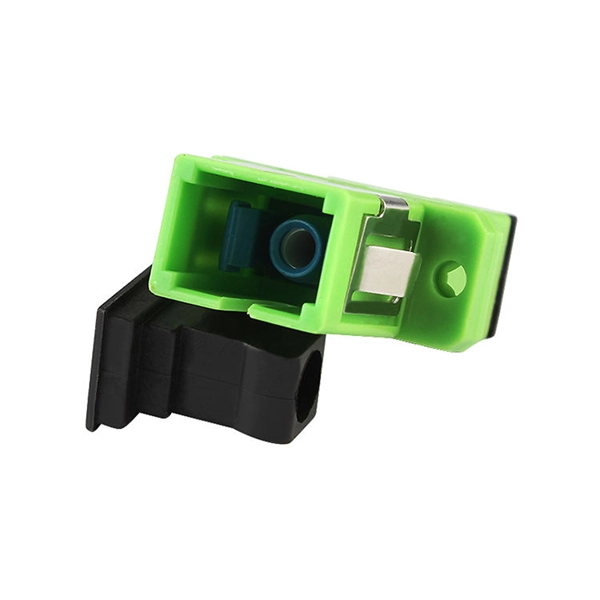
Bare Fiber Adapters Beginner''s Guide 2024
Inserting the Bare Fiber into the Adapter: Press and hold the spring-loaded button on the adapter, depress the switch, and gently push the fiber into
How To Use A Bare Fiber Adapters?
Inserting the Bare Fiber into the Adapter: Press and hold the spring-loaded button on the adapter, depress the switch, and gently push the fiber into the guide hole until the ceramic ferrule
The Essential Guide to Bare Fiber Adapters: What You
In this post, we''ll explore what bare fiber adapters are, their benefits, applications, and how they can elevate your fiber optic setup for optimum performance.
How to Use Bare Fiber Adapter
Press the part with spring to insert the fiber to ceramic ferrule till it extend out 3-5mm length, then position the fiber. Check the fiber endface, adjust the fiber when required.
How To Use Bare Fiber Adapter
1) Strip the outer jacket to about 3 inches 2) Strip the buffer coating leaving about 2 inches of fiber exposed 3) Score and Cleave the fiber, leaving 0.5 inches bare fiber exposed.
How to Use Bare Fiber Adapters?
Bare fiber optic adapters are mainly used to test bare fiber patch cords and pigtails without end face treatment. The bare fiber can be directly connected to standard FC, SC, ST and LC to
How to use bare fiber adaptor
How to use bare fiber adaptor How to use bare fiber adaptor watch the video to show you!!! #fiber #fiberadaptor #fiberoptic #optic #adapter #adapter #vflmore
How to use bare fiber adapter
Web site:;#fiberadapter #fiber #optic #optical #telecom #adapter #adapters #fiberoptic #fiberoptics In this channel you will find fiber op...
Bare Fiber Optic Terminator
The BFT1 Bare Fiber Terminator is designed to temporarily terminate a bare fiber with the connectors sold below. It magnetically connects to the connector, which
Fiber Collimators – lens, collimated beam, focal length,
A fiber collimator is an optical device used to transform the diverging light from an optical fiber into a free-space collimated beam. It consists of a lens that holds the
Go4Fiber Ltd-One Stop Fiber Optic Superstore
Mode Field Adapter, 1x1, input fiber: HI1060, output fiber: SCF-UN-20/250-08 MFA-1-H60-S2025-1 Availability: Call for price
SC Simplex Fiber Optic Adapter For Stable Fiber Connection
The SC Simplex Fiber Optic Adapter is designed to connect two SC fiber optic connectors with accurate alignment and stable optical performance. With a standard SC interface, blue housing, protective
What Is the Optical Audio Port, and When Should I Use
The one standout in home audio/video market is the optical audio cable. Unlike other cabling standards, the optical audio system uses fiber optic
How to Splice Fiber Optic Pigtails: A Step-by-Step Guide
Master the art of fiber termination. Learn how to splice fiber optic pigtails using fusion splicing, follow the color code, and ensure low insertion loss.
Fibre Optic Termination Techniques – Wray Castle
Introduction to Fibre Optic Termination Fibre optic termination is the process of preparing the end of a fiber optic cable so it can connect to network equipment, another cable, or a patch
From Millivolts to Volts A Practical LM358 Amplifier Tutorial
The lm358 is a versatile and beginner-friendly op-amp. This tutorial guides you in building a simple non-inverting amplifier circuit. You will use the popular lm358 to boost a small DC voltage
SC/APC 12-Color Fiber Optic Pigtail Set for Splicing & Termination
12 color-coded SC/APC pigtails with bare fiber ends for easy identification. High-quality ferrule, 100% tested, ideal for termination boxes & equipment connection.
kabel fiber optic
Looking for a good deal on kabel fiber optic? Explore a wide range of the best kabel fiber optic on AliExpress to find one that suits you! Besides good quality brands, you''ll also find plenty of
Related Video Reference
This video was associated with the source search result. Verify technical details against current product documentation and project requirements.