
Fiber infrastructure reference
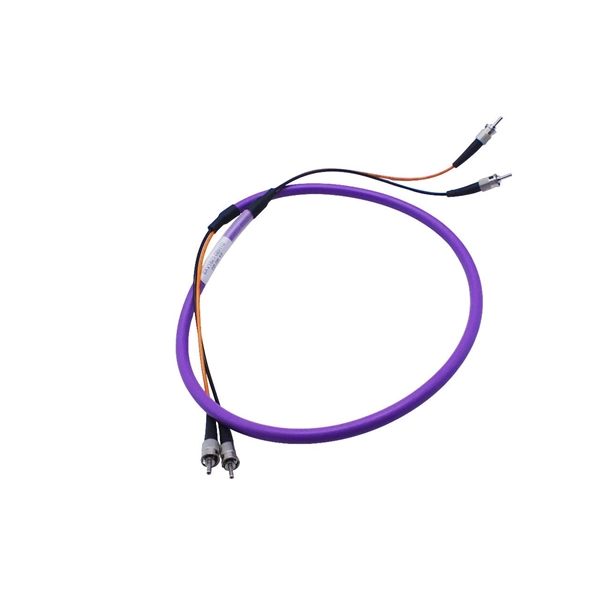
The Difference Between Single/Dual Fiber and
As fiber optic networks continue to evolve, selecting the right optical transceiver becomes increasingly important. Whether you''re designing a short
SFP modules – transceivers for 1/2/4G fibre channel
SFP transceivers are valued for their flexibility, low power consumption and ability to support both single-mode and multimode fiber, making them ideal for short-range
What Is a Single Fiber SFP? A Complete Guide for Beginners
Learn what a single fiber SFP is, how it works, key differences from dual fiber SFPs, common applications, and how to choose the right BiDi SFP.
Single-Lambda 100G Pluggable Optics Solution Overview
With fewer components in the pluggable module, we can scale manufacturing volume and cost to the level of today''s 10G SFP+ optics. Through silicon photonics and signal processing
Comprehensive Guide to FS 10G BiDi SFP Modules
10G BiDi SFP+ modules utilize a unique optical mechanism that enables full-duplex data transmission over a single strand of single-mode fiber (SMF). This is achieved using two different
BiDi SFP: The Complete Guide to Bidirectional SFP Transceivers and
BiDi SFP (Bidirectional Small Form-Factor Pluggable) transceivers have emerged as a powerful solution, enabling full-duplex communication over a single optical fiber. By using
The Ultimate Guide to SFP Modules (2026): Types, Speeds
Read the definitive 2026 guide on SFP modules. We explain Single Mode vs Multimode, DDM diagnostics, and how to choose the right transceiver for Cisco, Juniper, and more.
Buy Transceivers – SFP, SFP+, and QSFP Modules
Transceivers (=SFP) are plug-in modules that can be inserted into converters, multiplexers or switches, thereby providing the input and output for the fibre optic cable.
The Key Differences Between 1-core, 2-core, Single Mode, and
Single Mode fibers have a smaller core, allowing light to travel in a single, straight path, ideal for long distances with less signal loss. Multi-mode fibers have a larger core, allowing...
Single Mode SFP Fiber Module
For horizontal shorter-length run, the Fastcabling modules are available with single mode fiber to suit your fiber connectivity applications. It can transmit data up to 20 KM with 1.25 Gigabit network speed.
Cisco QSFP-DD 400G ZR/ZR+ Low Power Consumption Coherent Optics Module
Cisco® QSFP-DD 400G ZR/ZR+ low-power coherent optical modules provide power savings in high-port-density switch/router platforms for 400 Gigabit Ethernet (400GE) traffic over amplified
Cisco QSFP-DD 400G ZR/ZR+ Low Power Consumption Coherent Optics Module
The 400ZR+ module is ideal for metro/regional data centers, service provider interconnects with Reconfigurable Optical Add-Drop Multiplexer (ROADM) infrastructure, and AI scale-across
Bidirectional SFP Modules/Transceivers
What are Bidirectional SFP Modules? Bidirectional SFP modules are advanced optical transceivers designed to enhance network infrastructure by enabling data transmission and reception over a
Fiber optical module and common knowledge of optical interfaces
However, to make full use of fiber optic technology, it is important to have a basic understanding of fiber optics, optical modules, and the different types of optical interfaces available.
SFP+ Transceiver CBO SFP-10G-BX-D 10G | AiO.lv
Short description CBO SFP-10G-BX-D is an SFP+ fiber optic transceiver module for 10 Gigabit Ethernet. Designed for single-mode bidirectional (BX) links, it enables 10G data transmission over a single
Fiber Optic Patch Cable, LC to LC, Single Mode 9/125, Duplex
These high speed single-mode 9/125µm duplex fiber optic patch cables are terminated with LC fiber optic connectors on both ends (LC-LC). Called Lucent Connectors, Little Connectors or Local
FS Transceivers | Premium Optical Transceivers
FS Transceivers offers high-performance optical transceivers, fiber optic modules, and data center connectivity solutions. Compatible with Cisco, Arista, Juniper.
How to Connect Multiple Ethernet Switches Using Fiber Optic Cables
Posted on June 24, 2024 by FC — Leave a comment How to Connect Multiple Ethernet Switches Using Fiber Optic Cables? If you have multiple Ethernet switches that need to be connected over long
Related Video Reference
This video was associated with the source search result. Verify technical details against current product documentation and project requirements.