
Bidirectional Sfp Modules Transceivers
Search optical fiber, connectivity, cable management and network infrastructure references.
-
How to network SFP fiber optic transceivers and fiber optic switches
Most modern fiber-enabled network switches require an SFP transceiver module featuring a duplex (two strand) multimode OM3 or duplex single mode OS2 connection with LC connectors. Direct attach cables with pre-terminated SFP connections may also be used. It converts...
[PDF Version]
-
Edge computing uses QSFP28 optical modules SFP
These modules use fiber optic technology for quick and steady communication between edge nodes. This makes the distance and number of network hops smaller, so speed goes up and. Optical modules help edge computing move data very fast. 100G QSFP28 transceivers have the exact...
[PDF Version]
-
How to distinguish between single-fiber bidirectional transceivers
Single fiber transceivers use one fiber to send and receive data. They are cheaper and good for networks with few fibers. What are Bi-Directional (BiDi) Fiber Transceivers? BiDi transceivers operate by integrating two lasers within a single unit. While the systems can still...
-
SFP optical modules in various specifications
SFP transceivers are available with a variety of transmitter and receiver specifications, allowing users to select the appropriate transceiver for each link to provide the required optical or electrical reach over the available media type (e.g. or copper cables, or cables)...
-
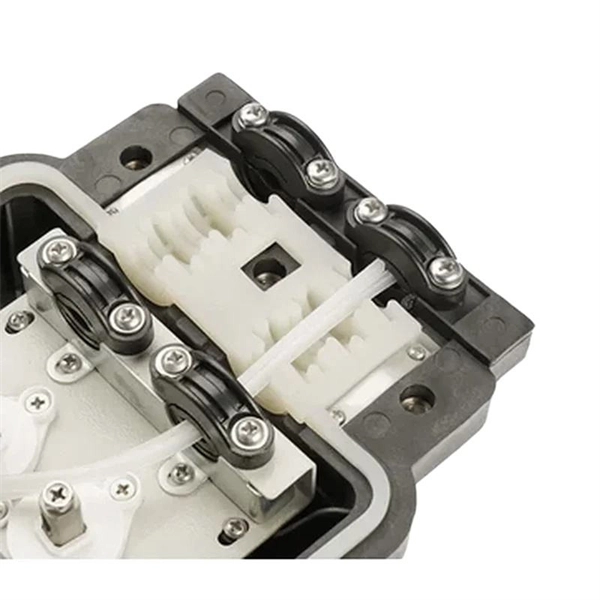
Can optical modules and optical transceivers be connected
An optical module is a typically hot-pluggable optical transceiver used in high-bandwidth data communications applications. Optical modules typically have an electrical interface on the side that connects to the inside of the system and an optical interface on the side that...
-
Selection Guide for Low-Noise SFP Optical Modules for IoT Applications
Optical Transceiver Datasheet Guide: SFP Specs & PDF DownloadsLearn how to read an optical transceiver datasheet, understand SFP specifications, compare 1G.
[PDF Version]