
Schwartz Splicing Llc
Search optical fiber, connectivity, cable management and network infrastructure references.
-
Methods for splicing optical cables through conduits
The two primary industry-accepted methods for fiber optic cable splicing are fusion splicing and mechanical splicing. The choice between them depends on performance requirements, budget constraints, and the specific application environment. For network managers and...
[PDF Version]
-
Standard Requirements for Splicing of Direct-Buried Optical Cables
Recommended technical requirements are detailed by reference to IEC 60794-3-11 on outdoor optical fibre cables for duct, directly buried, and lashed aerial applications. The methods described are intended for guideline use only, as it is impossible to cover all the various...
[PDF Version]
-
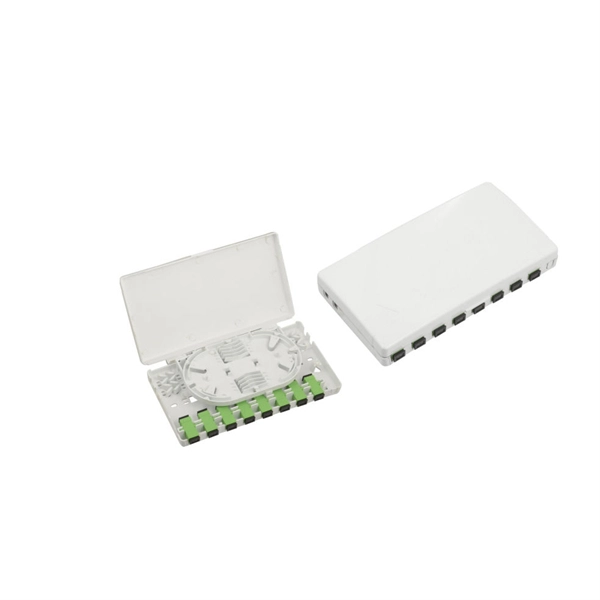
Outdoor cabinet fiber splicing
Manufacturers design fiber optic cabinets to protect fiber optic cables in indoor and outdoor environments. Also known as fiber optic enclosures or fiber entrance cabinets, these enclosures act as hubs where cables can be spliced, organized and routed through areas inside or...
[PDF Version]
-
Multi-core fiber sheath and pigtail splicing
Fusion splice techniques for multicore fibers (MCFs) are discussed here. We demonstrate a swing electrode system for uniform discharge and an end-view function for automatic and precise core alignmen.
-
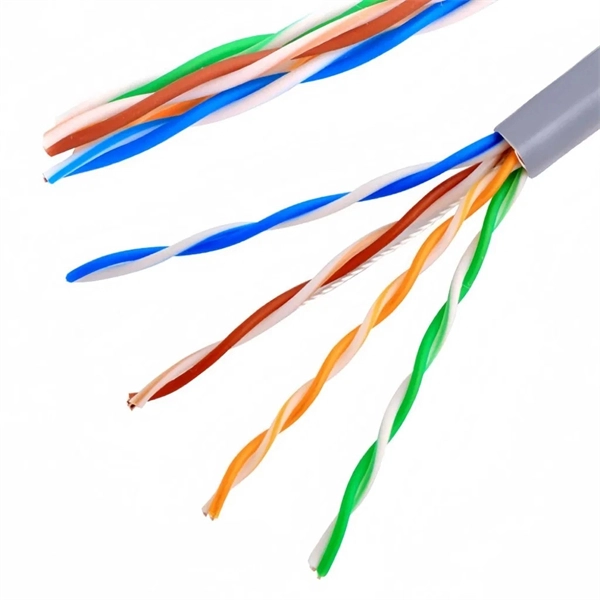
High attenuation after fiber optic cable splicing
Fiber misalignment is a byproduct of the splicing process and can occur with any splice. Intrinsic factors, such as the refractive index of the fiber, are those that are inherent to the fiber itself. High attenuation makes your system not work well. You should fix it fast to...
-
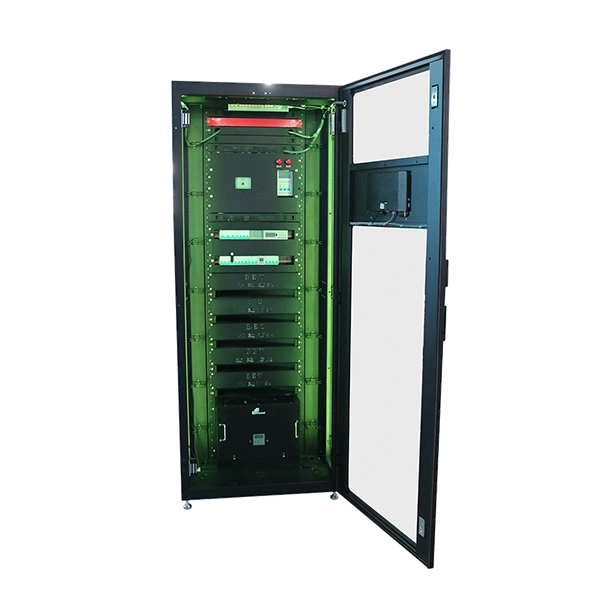
Two-core fiber optic panel splicing
Fusion splice techniques for multicore fibers (MCFs) are discussed here. We demonstrate a swing electrode system for uniform discharge and an end-view function for automatic and precise core alignmen.