
How can one identify a broken fiber optic cable?
To identify a broken fiber optic cable, start by performing a visual inspection for any physical signs of damage, such as bends, cracks, or breaks...
Search optical fiber, connectivity, cable management and network infrastructure references.
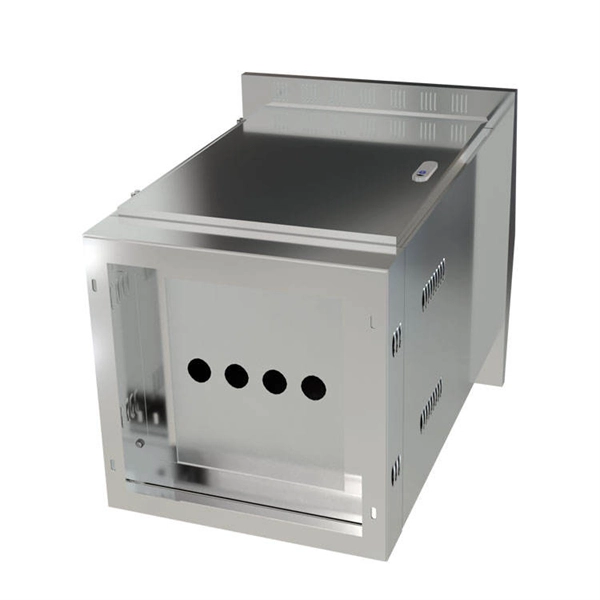
Fiber Network Troubleshooting – Common Issues & FixesLearn how to troubleshoot fiber networks. Identify common issues like high loss, dirty connectors, and.
[PDF Version]To identify a broken fiber optic cable, start by performing a visual inspection for any physical signs of damage, such as bends, cracks, or breaks...
There are several methods to test fiber optic cables without a tester. One method is using a visual fault locator (VFL), as mentioned earlier, to v...
Intermittent fiber optic connections can be caused by a variety of factors, including: Poorly terminated connectors or splices that result in unsta...
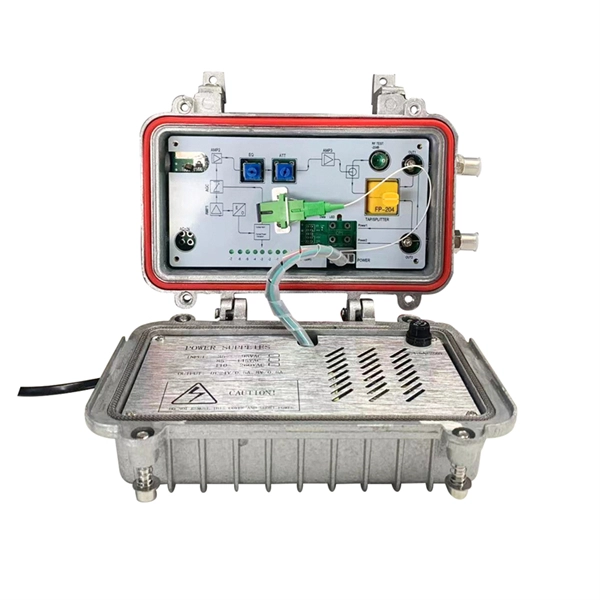
Excessive attenuation directly translates to network issues: Reduced Data Rates: A weak signal requires more error correction, slowing down effective throughput. Increased Bit Error Rate (BER): The receiver struggles to distinguish between 1s and 0s, leading to corrupted...
[PDF Version]
While fiber optics are tough, cold temps can cause trouble. Water in cables can freeze, potentially harming connections. Waterproofing prevents icy issues. Add more insulation where cables are. Summary : Winter weather generally has minimal impact on fiber optic cables since...
[PDF Version]
The three standard methods for testing fiber optic cabling are a visible light source, power meter and light source, and optical time domain reflectometer (OTDR). The most common problems usually fall into four categories: Physical Layer: Transmission Performance: Equipment...
[PDF Version]Share the fiber interfaces, termination capacity, cable route and evidence required for handover.