
Remove Fixed Length Trays
Search optical fiber, connectivity, cable management and network infrastructure references.
-
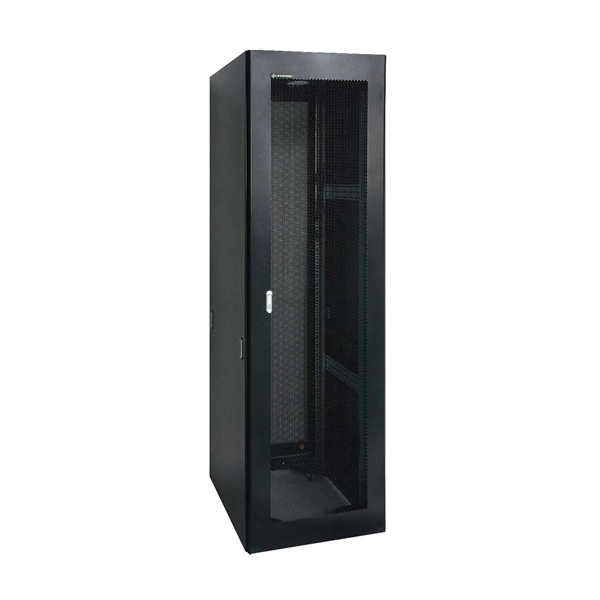
Fixed Spacing of Horizontal Cable Trays
National Electrical Code (NEC) Article 392 (USA): This code provides comprehensive guidelines for cable trays, including requirements for cable types, fill capacity, support methods, and spacing. Proper installation can significantly reduce electromagnetic interference...
[PDF Version]
-
Length width and height of mesh cable trays
Small trays (50mm) are utilized in a small number of data lines, whereas wide trays (900mm) are used in large factories. The depth or the height of the side wall ensures that the cables remain held in a safe shape. The trays are available in 3-meter (10-foot) segments. In...
[PDF Version]
-
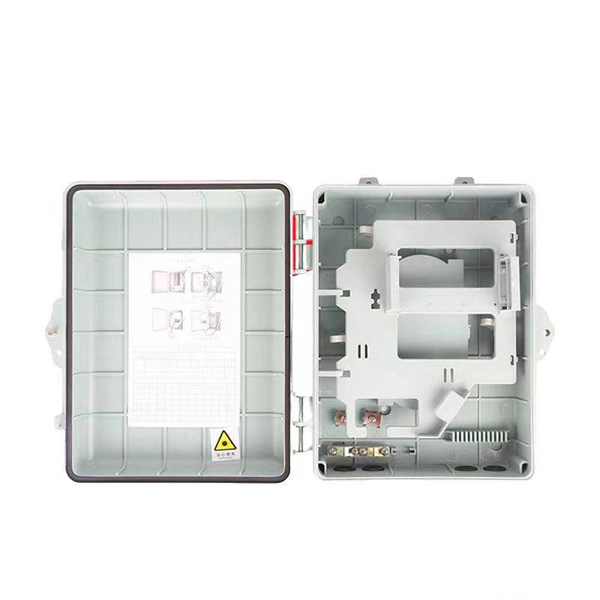
Standard side length of cable trays
The standard NEMA lengths for cable tray are 12, 20, 24 and 30-feet, although some manufacturers like Eaton offer cable tray in lengths up to 40 feet. In practice, cable tray dimensions are a system of interrelated measurements —width, depth, length, and material...
[PDF Version]
-
How many meters apart should the cable trays be fixed
When installing two cable trays in parallel at the same height, the distance between them should be no less than 0. This spacing is crucial for adequate maintenance access, ease of inspection, and ensuring proper airflow for effective heat dissipation. It also helps reduce...
[PDF Version]
-
Does the underground trench need to have cable trays laid
Tray cables can be buried underground, but only if they are specifically designed and rated for direct burial. Not all tray cables are suitable for underground installation, and using the wrong cable type or installation practice can cause premature cable failure, safety...
[PDF Version]
-
Do electrical cable trays use sleeves when passing through walls
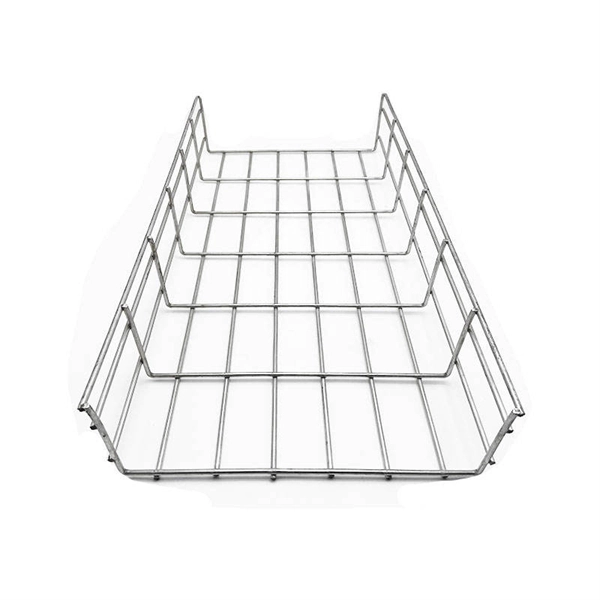
A cable tray wall penetration sleeve is a protective component used to route cable trays through walls, ensuring a safe and secure pathway for cables. Where cables pass through shafts, walls, slabs, or enter electrical panels or cabinets, openings shall be tightly sealed with...
-
Where can I find cable trays for Western Europe in Singapore
Browse our range of electrical cable management trays of all sizes & types in Singapore. Explore a wide range of cable trays from Ferrograte, including perforated, ladder, FRP, and wiremesh trays—ideal for efficient cable management systems. Our commitment extends beyond just...
[PDF Version]
-
Is it safe to run low-voltage sockets through cable trays
Where cable tray systems contain only signal and communication circuits that operate at low energy levels, power grounding per NEC Section 318-7 is not appropriate, but cable tray grounding for lightning protection, noise, and electromagnetic interference is necessary. If not...
[PDF Version]
-
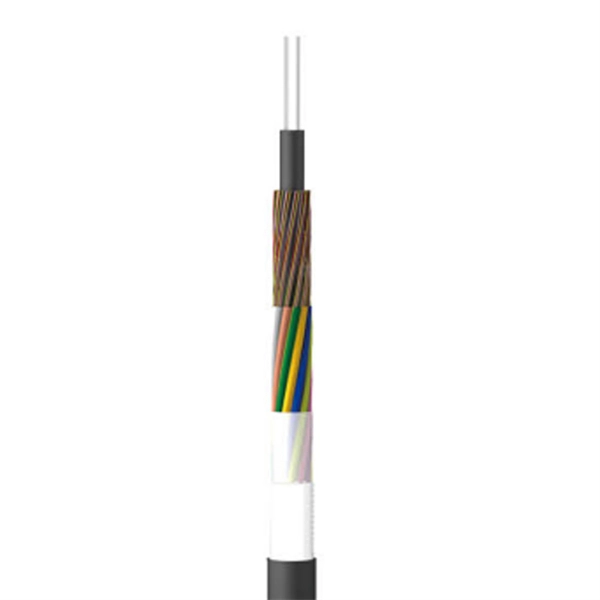
Drilling holes in cable trays and binding cables
Drill the drill holes with ∅ ≥ 7 mm in the tray rail and tray base. Prior to starting the installation check the work area to ensure that the area is a safe working area and that enough manufacturer's materials are available at site. But just as important as the hole itself...
[PDF Version]
-
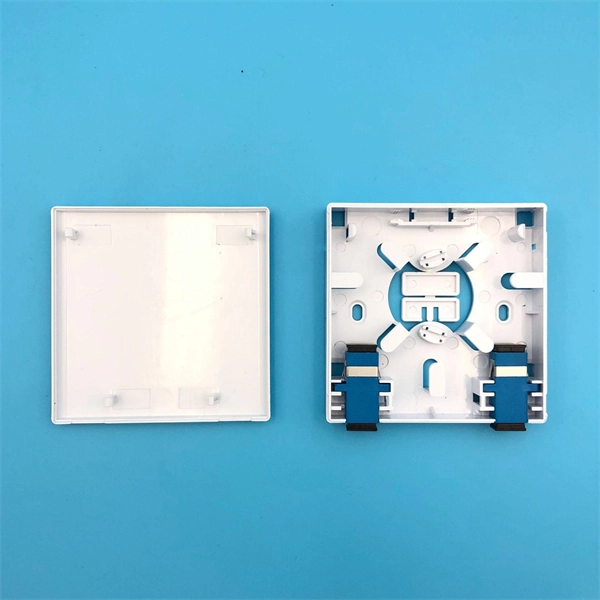
Fiberglass cable trays Price and service first
Fiberglass cable trays, favored for harsh industrial environments, carry the highest material costs at $20-40+ per foot. A fiberglass cable tray is a vital component in modern electrical and telecommunications infrastructure, providing a durable, non-conductive, and...
[PDF Version]
More from the technical library
- How to measure the burial depth of optical cables
- Lithium battery cabinets are intelligently used for wind power generation
- Original fireproof electrical distribution box
- Ranking of Grenada Fiber Optic Communication Companies
- Gysta 4-core optical fiber cable
- Intelligent power supply system for telecommunications sites used for monitoring