
Pushbuttons Switches And Indicator Lights Digikey
Search optical fiber, connectivity, cable management and network infrastructure references.
-
Are LEDs good for laser lights
Inside an LED is a simple chip and a plastic lens. A laser module uses precise mirrors, gain media, and control chips to produce focused beams. Lasers require. Meanwhile, laser diodes emit focused light with a narrow beam. What's an LED? Light-emitting diode, also known as an...
[PDF Version]
-
Multiple PoE switches converge
To connect 2 managed PoE switches with a single Cat6 cable, you only need to follow a few simple steps. Connect the Cat6 cable to the LAN port on each switch, and then configure the switches to communicate with each other by configuring VLANs, setting up QoS policies, and...
[PDF Version]
-
Hot-plugging of fiber optic switches
A hot plug transceiver, often seen as an SFP, SFP+, QSFP, or similar module, allows network administrators to insert or remove the optical transceiver from a switch, router, or server port while the system remains powered on. The hot-pluggable feature of optical transceivers...
[PDF Version]
-
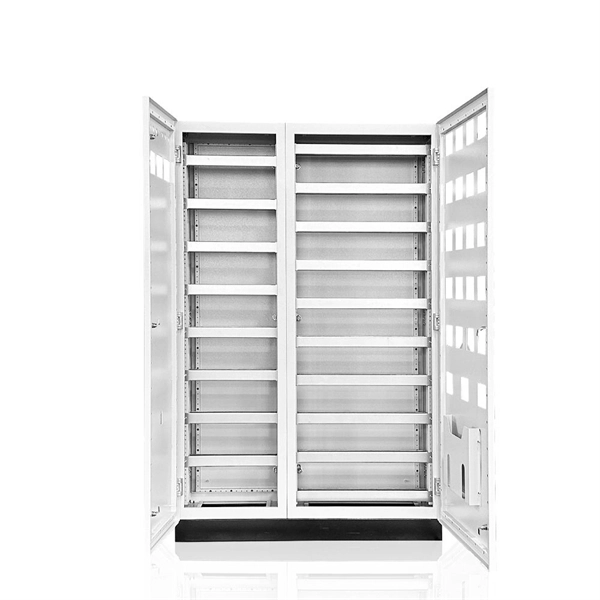
Requirements for Installation Brackets for Distribution Box Switches
Learn how to install a distribution box safely and correctly. Covers wiring, placement, standards, and expert tips for a compliant setup.
-
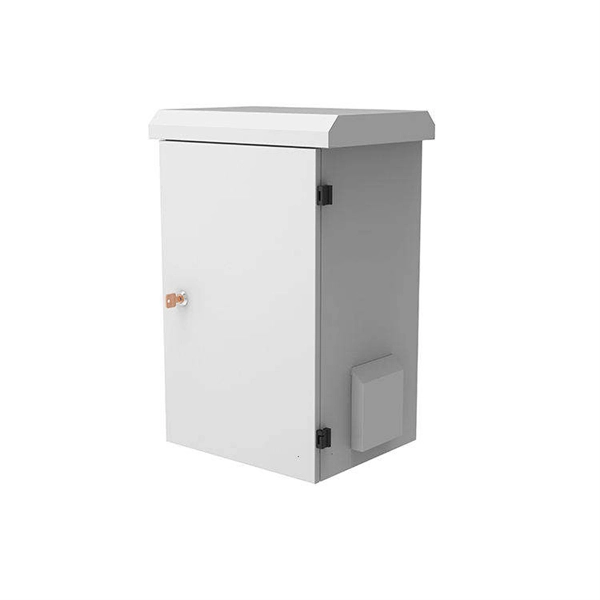
Switches for different local area networks
Ethernet switches come in various types, including Unmanaged Switches, Managed Switches (Smart and Fully Managed), PoE switches, Layer 2 switches, and Layer 3 switches. Each type offers different levels of control, security features, and management capabilities to suit...
[PDF Version]
-
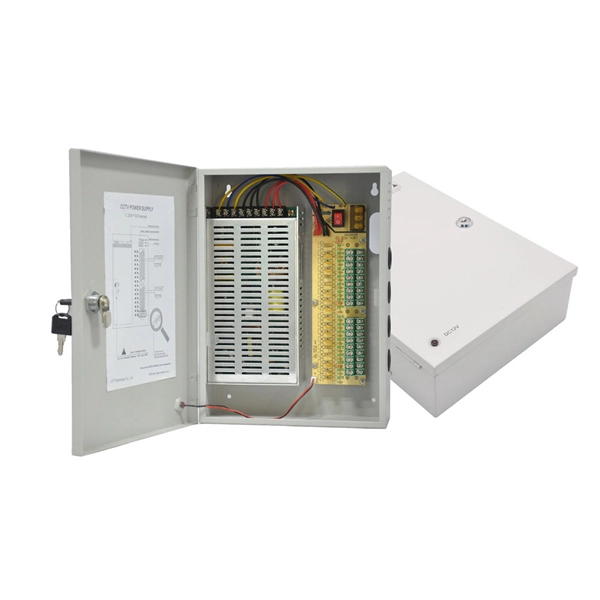
How to split fiber optic cable between two switches
You use optical couplers and splitters to split or join signals in fiber networks. DWDM/CWDM is like a two-edged sword. For a small fee (the procurement of the modules and the circulator) you can split/splice one physical fibre optic cable into multiple pairs. Splitters come...
-
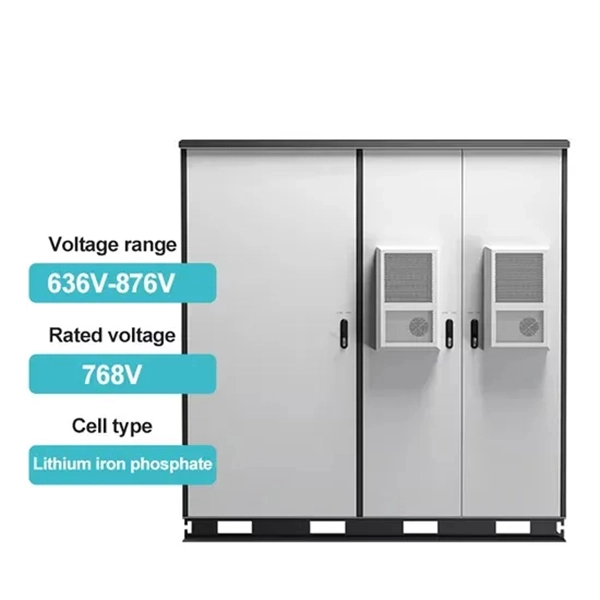
Converting communication switches to fiber optic cables
Conversion uses hardware that translates optical signals to electrical signals. Options include standalone media converters, switching converters for rate conversion, SFP transceivers (fiber or copper), and managed switches with both fiber and copper ports. They are commonly...
[PDF Version]
-
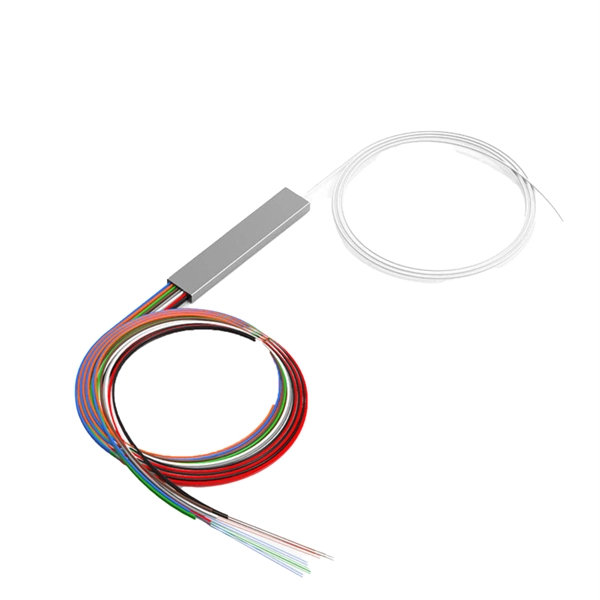
Four Advantages of Industrial Switches
Industrial switches offer advantages over regular commercial switches due to their ability to withstand harsh working environments, a wide range of product options, and flexible port configurations, meeting the diverse needs of industrial control fields. Industrial switches...
-
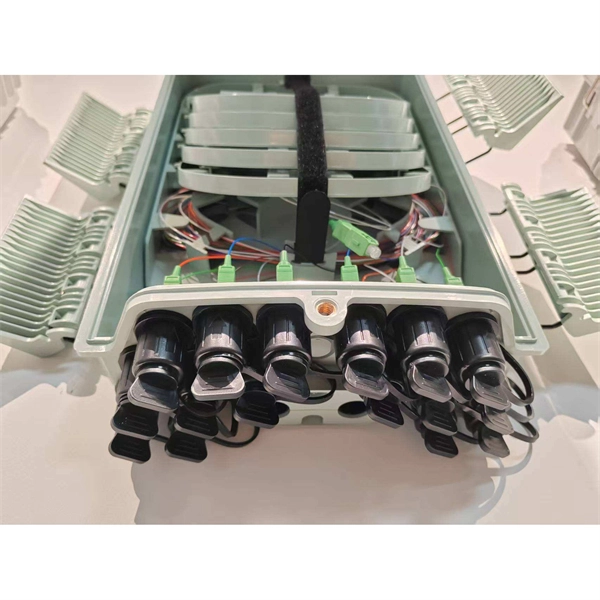
How to make fiber optic lights look good using fiber optic cables
Fiber optic installation techniques, such as using superglue, epoxy, heat shrink tubes, and sanding, are important for attaching lights to fibers and creating unique lighting patterns. To build a homemade fiber optic lamp, gather fiber optic cables, a light source like LED or...
[PDF Version]
-
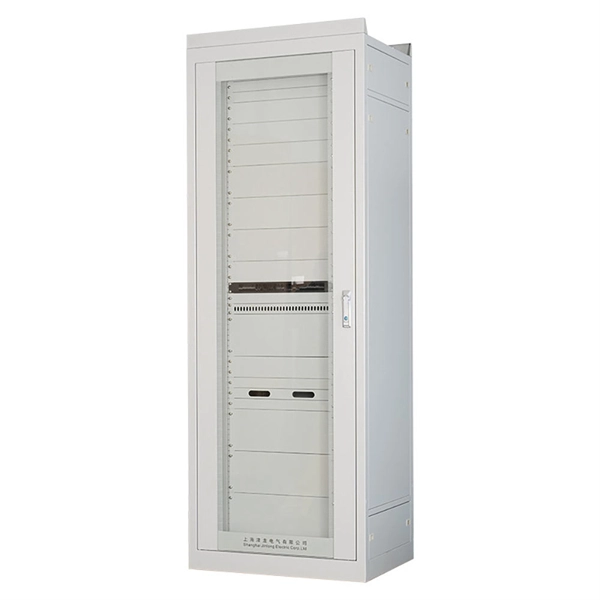
Industrial switches operate in low ambient temperatures
The operating temperature range of industrial switches is usually -40℃ to 85℃, and even some products may reach -40℃ to 80℃. This wide temperature range enables industrial switches to operate normally in extreme environments, maintaining stable performance in hot deserts...
[PDF Version]