
Preventing Electrical Fires Cable Ventilation Safety Hutaib Electricals
Search optical fiber, connectivity, cable management and network infrastructure references.
-
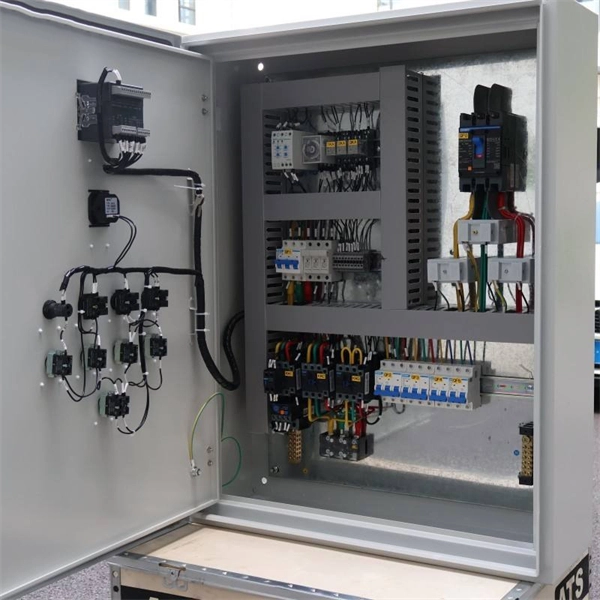
Cable tray ventilation
Ventilation in cable trays refers to the air flow inside the tray. These trays are used to support and protect the cables, but they must also allow air to circulate freely, ensuring that the heat generated by the cables does not build up and damage them by overheating. Do you...
-
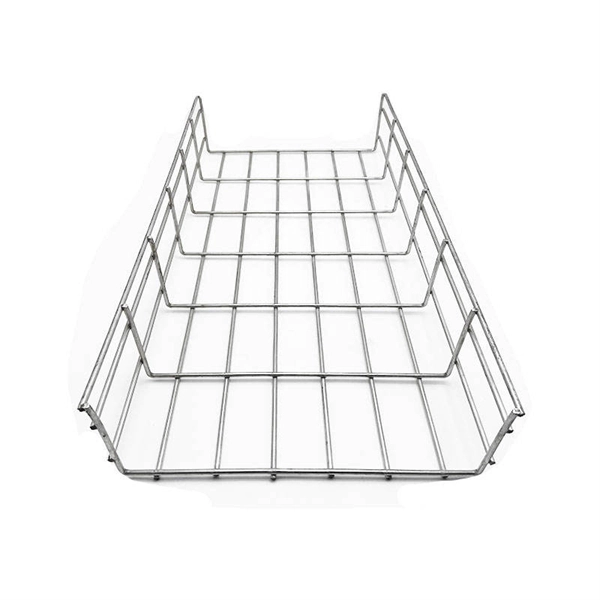
Do electrical cable trays use sleeves when passing through walls
A cable tray wall penetration sleeve is a protective component used to route cable trays through walls, ensuring a safe and secure pathway for cables. Where cables pass through shafts, walls, slabs, or enter electrical panels or cabinets, openings shall be tightly sealed with...
-

Analysis of the Cable Tray and Busbar Electrical Industry
This Insight Report provides a comprehensive analysis of the global Electrical Busbar Tray landscape and highlights key trends related to product segmentation, company formation, revenue, and market share, latest development, and M&A activity. Electrical Busbar Tray by...
[PDF Version]
-
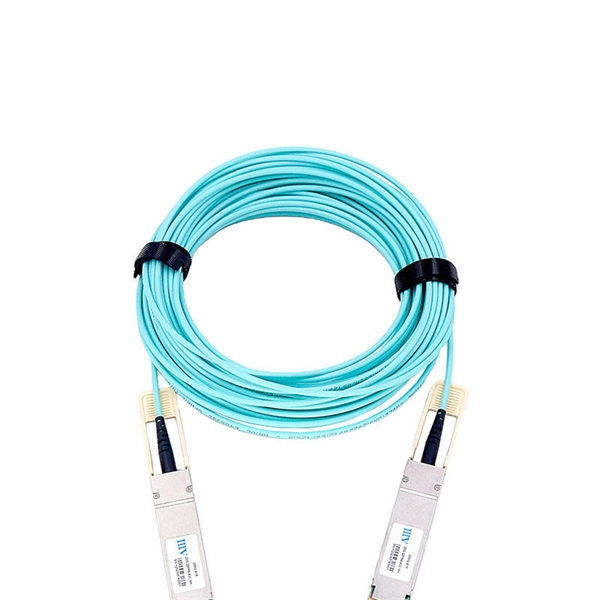
Cable tray cost for electrical wells
Wireways and cable trays price structures are dominated by material costs, which account for 60-70% of total project expenses. Steel wireway systems typically fall in the $8-20 per foot range, while aluminum variants command premiums of $12-30 per linear foot due to...
[PDF Version]
-
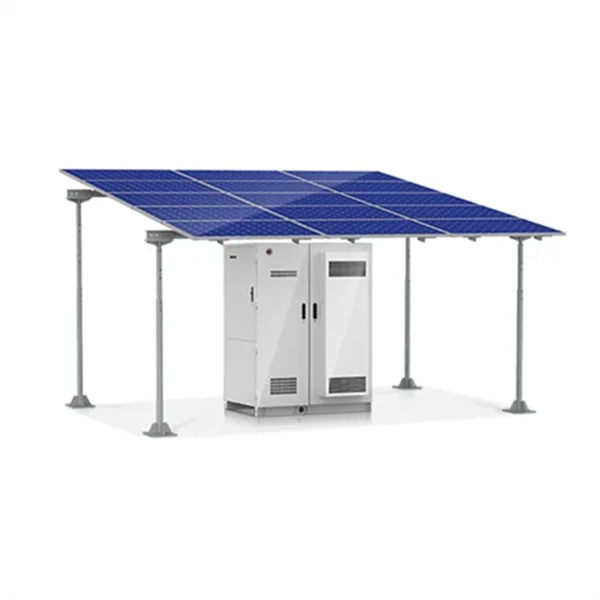
Ventilation and heat dissipation cable trays
Effective heat dissipation in cable trays requires exposing as much of the cable surface area to surrounding cooler air as possible. When trays lack proper ventilation or are overfilled beyond their rated capacity, the trapped thermal energy degrades the cable's protective...
-
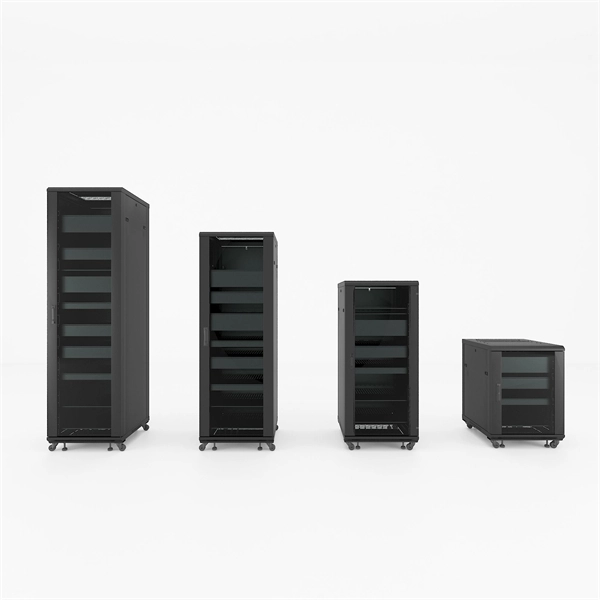
Remarks on Hidden Works for Fiber Optic Cable Line Quality and Safety
Whether you're installing new fiber optic cables or troubleshooting and repairing an existing fiber network, a working knowledge of the regulations that apply to your project can help you (and your team) stay s.
-
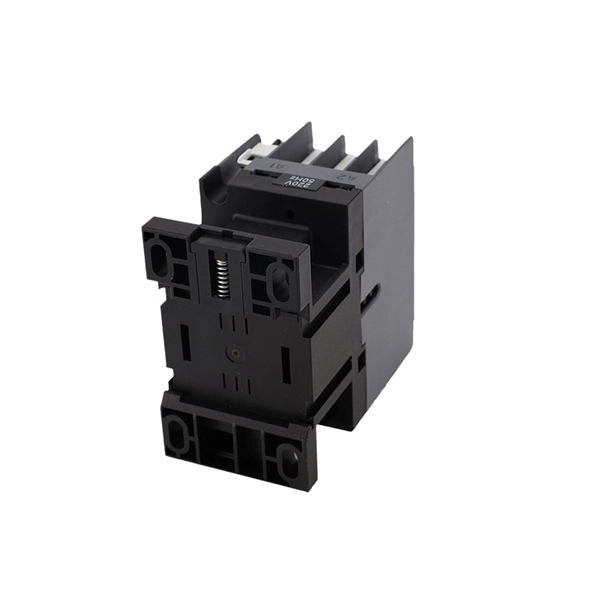
Safety Plan for High-Speed Optical Cable Laying
This guide highlights essential precautions including wearing protective gear, disconnecting power sources, handling fiber scraps carefully, avoiding face or eye contact, following regulatory standards, using adequate lighting, and keeping food or beverages away from work...
[PDF Version]