
Overcurrent Relays Principles Functions And Applications Guide
Search optical fiber, connectivity, cable management and network infrastructure references.
-
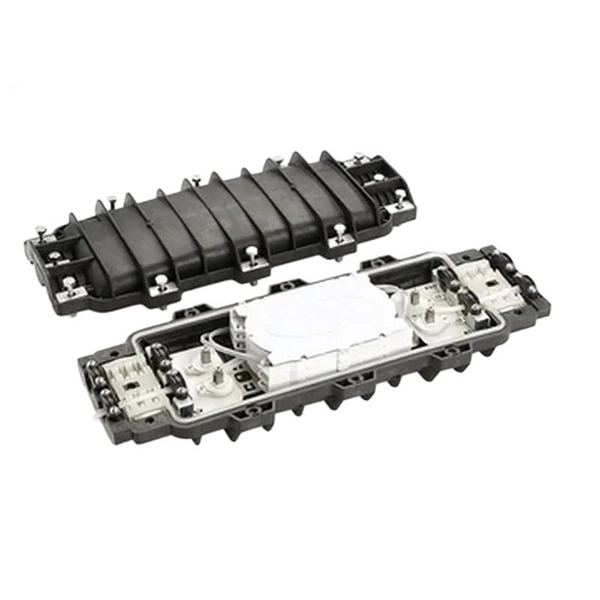
Principles and Functions of Optical Switches
Optical switches are devices that route light signals from one path to another without converting them into electrical signals first. Its core functionalities include: (1) Signal Blocking/Transmission: Interrupting or permitting light passage through a specific channel. This...
-

Principles and Functions of Distribution Network Automation
Distribution Automation Distribution automation is an important method to improve the reliability, quality and capacity of power supply, and helps to reali.
[PDF Version]
-
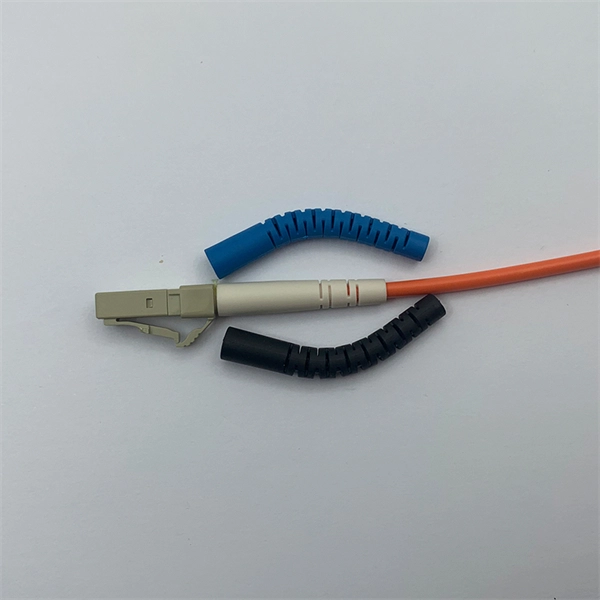
Functions and Applications of Fiber Bragg Gratings
Fiber Bragg Gratings Fiber Bragg gratings are reflective structures in the core of an optical fiber with a periodic or aperiodic perturbation of the effect.
[PDF Version]
-

Intermediate relays in relay protection
The intermediate relay is a low-power device for activating higher-power circuits. It usually sends a control signal to a contactor, which, in turn, operates the load. We can also call it an interposing relay. That's because it buffers control and load. Most electrical...
[PDF Version]
-
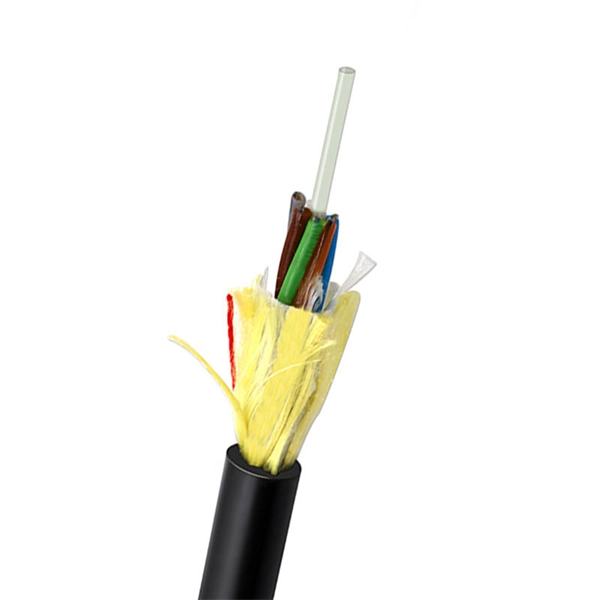
BESS energy storage system for high-precision data center applications
In data centers, BESS provides instant backup power, stabilizes voltage and frequency, and supports renewable energy integration. Battery energy storage systems provide a continuous power supply by reducing dependence on fuel-based generators. This helps smooth out...
[PDF Version]
-
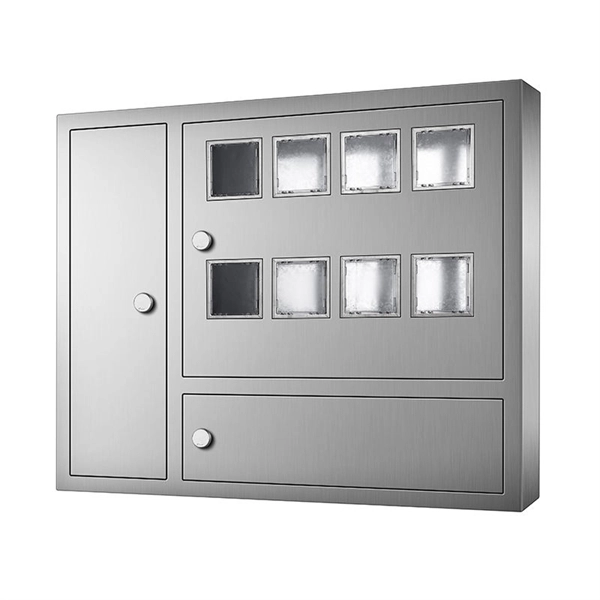
Applications of Gigabit Access Switches
A gigabit access switch is a fundamental component in modern network infrastructure, enabling high-speed data transfer at 1 Gbps between connected devices. These switches come in various types tailored to different networking environments—from home offices to large...
-
Functions of Bangladeshi Trough-Type Cable Trays
The trough type cable tray serves multiple critical functions in electrical installations, including providing mechanical protection for cables, organizing wire routing pathways, and ensuring compliance with electrical safety codes and standards. According to the National...
More from the technical library
- High-density 1U standard chassis 800mm depth in stock
- National Standard Price for Cable Trays
- Does a secondary distribution box need a base
- Cable tray partition production standards
- What types of optical cables are there according to their uses
- The distribution box needs to be installed in the computer room
- Tube-type busbar electrical equipment