
Optocoupler Basics Definition Types And Features
Search optical fiber, connectivity, cable management and network infrastructure references.
-
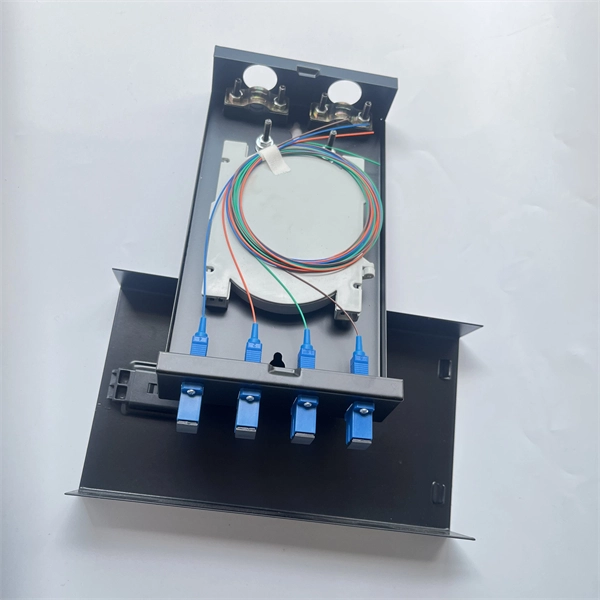
Features of Fiber Optic Network Cable AP Panels
Cable management: Panels integrate guides, trays, and strain relief to prevent stress on adapters and connectors. Labeling: Ports are numbered/labeled for troubleshooting and documentation. Dust protection: Shuttered adapters or flip-down dust covers are used in panels to. A...
[PDF Version]
-
How are electromagnetic sensors classified into photoelectric types
With multiple types available—Through-beam, Diffuse-reflective, Retro-reflective, Distance-settable, and Limited-reflective—they can be selected based on the application requirements such as distance, object type, environmental conditions, and detection accuracy...
[PDF Version]
-
Single-mode fiber optic transceiver fault types
Despite their robustness, fiber networks can fail due to: Physical Damage : Cuts, bends, or contamination in fiber cables or connectors. Hardware Failures : Faulty transceivers, switches, or routers. Configuration Errors : IP conflicts, incorrect routing, or. This document...
[PDF Version]
-
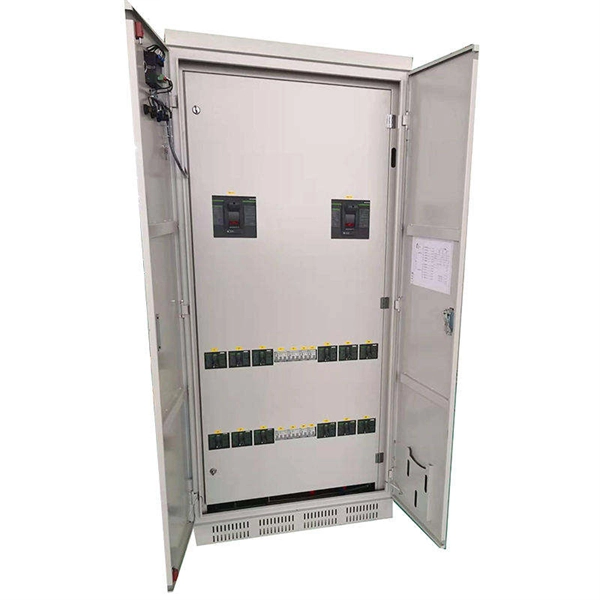
Features of Small Distribution Boxes on Construction Sites
This article explains how temporary construction power boxes work, the key components involved, and how E-abel portable electrical enclosures combined with industrial connector systems enable efficient, safe, and scalable power distribution for construction projects. Its...
[PDF Version]
-
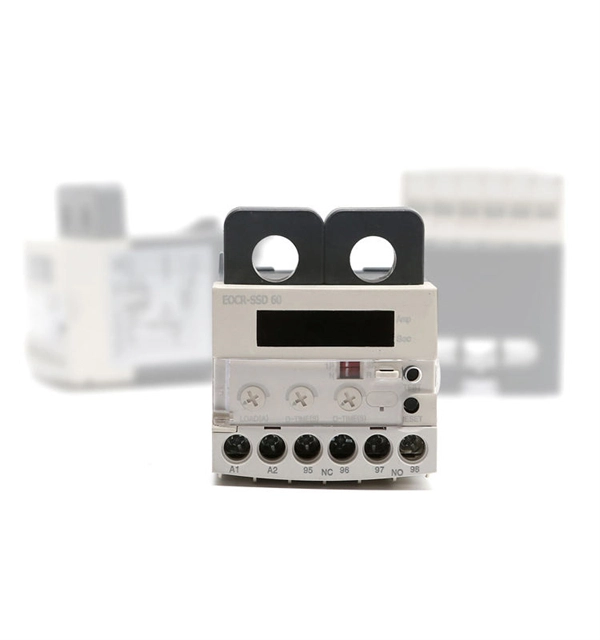
What are the different types of fiber optic gratings
The term type in this context refers to the underlying mechanism by which grating fringes are produced in the fiber. The different methods of creating these fringes have a significant effect on physical attributes of the produced grating, particularly the temperature response...
-
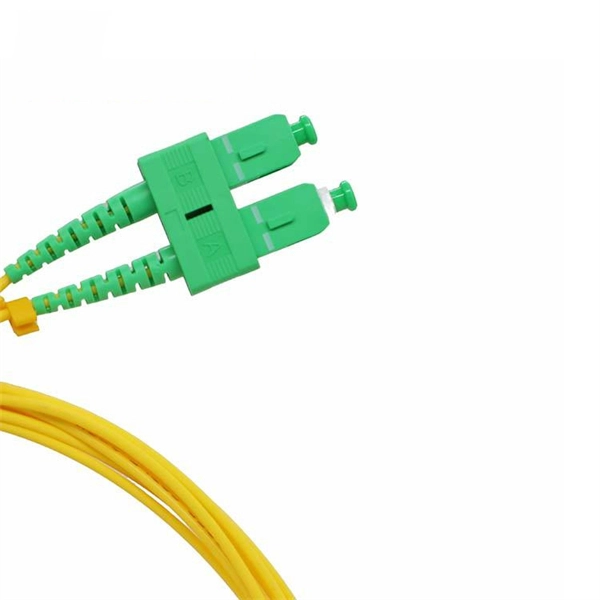
What are some types of diffraction-type fiber optic sensors
Among the most prominent architectures of this type are fiber Bragg gratings (FBG), and sensors based on Raman scattering [18, 19], Brillouin scattering [14, 20], and certain interferometers like Mach–Zehnder [5, 21], Sagnac, and Michelson [6, 22]. Fiber optic current sensors...
[PDF Version]
-
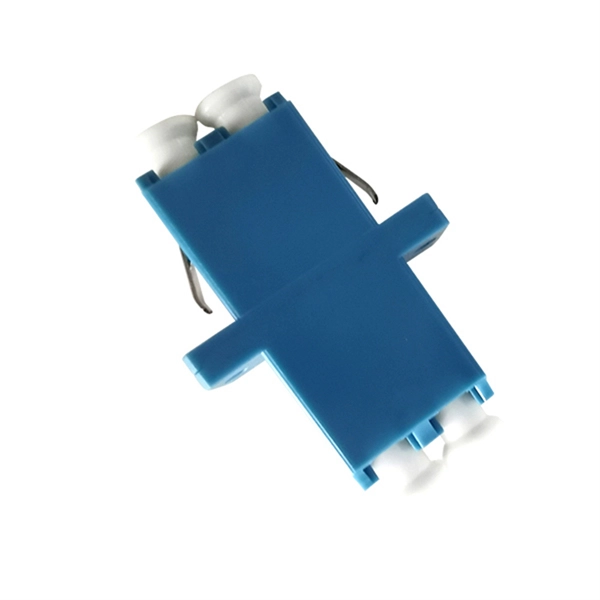
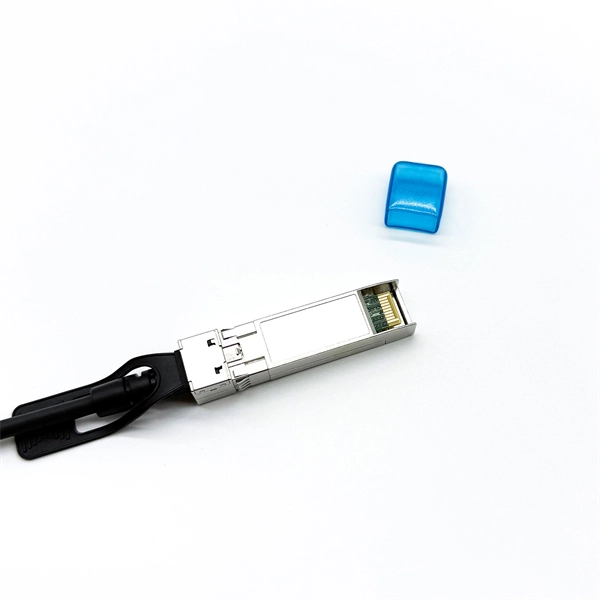
Types of Optical Port Modules for Switches
Common optical module types such as SFP, GBIC, XFP, and XENPAK, along with optical interfaces like FC, SC, and LC, each have their unique characteristics that make them suitable for specific application scenarios. The performance of a network is heavily dependent on the...
[PDF Version]
-
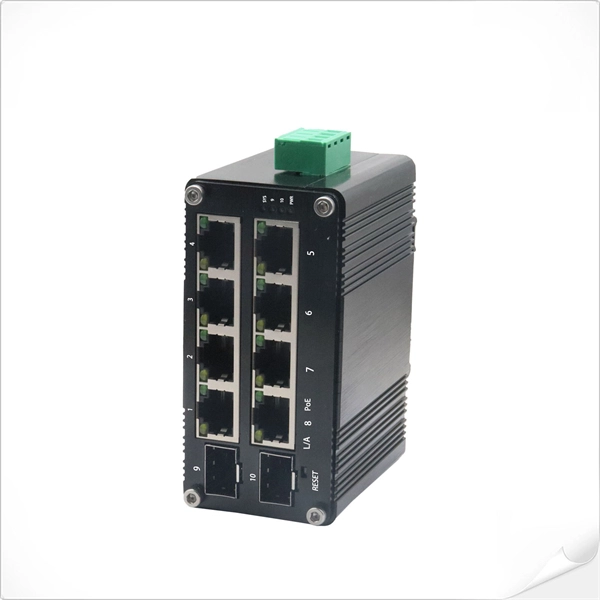
What are some types of light-emitting communication devices
Telecommunications, broadband communication using fiber-optic cables. Devices include: LEDs, photodiodes, optocouplers, and laser diodes. Converts electrical energy into light (electroluminescence). Colors: Red, green, yellow, blue, orange, white, and infrared (invisible)...
[PDF Version]
-
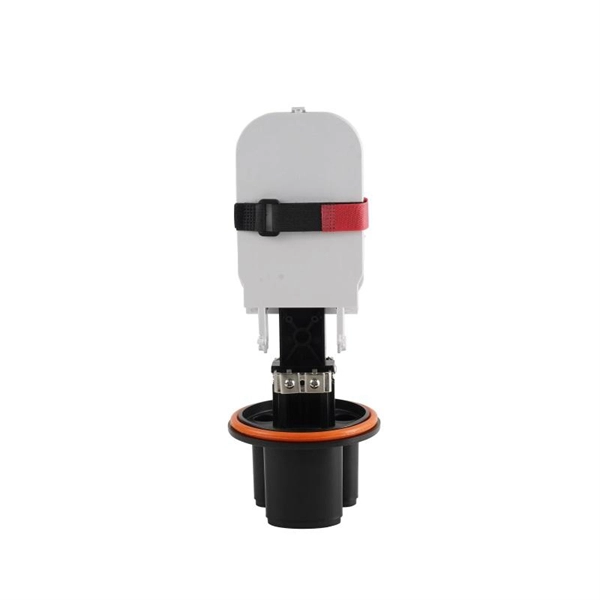
Types of fiber optic sensor structures include
Extrinsic fiber-optic sensors use an, normally a one, to transmit light from either a non-fiber optical sensor, or an electronic sensor connected to an optical transmitter. A major benefit of extrinsic sensors is their ability to reach places which are otherwise inaccessible...
-
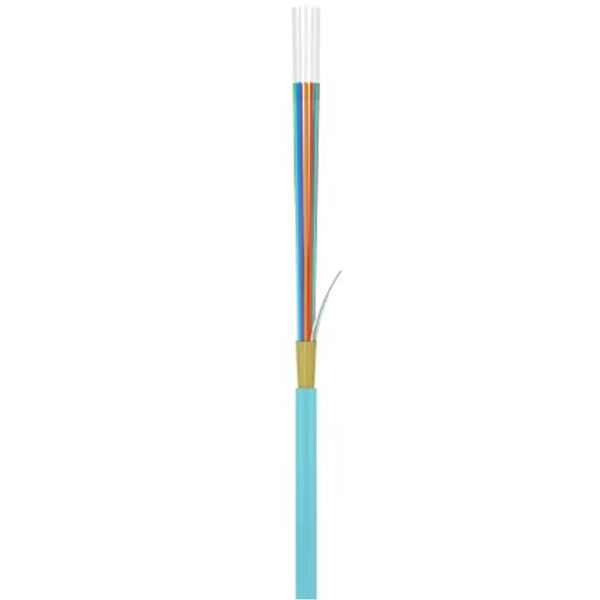
Technical Features of Network Server Racks
Server Rack is typically made of steel or aluminium, rails and framework, it is capable of holding hundreds or even thousands of pounds of equipment. As a core infrastructure component in data centers and telecom rooms, it houses critical devices such as servers, routers, and...
More from the technical library
- Wiring Installation Process for Panels and Cabinets
- Polarization-maintaining fiber optic patch cord PM980
- Ireland Corrosion-Resistant Cable Tray Processing Manufacturer
- High-current explosion-proof distribution box
- Explosion-proof building electrical distribution box
- What are the standards for electrical distribution boxes in Singapore