
Optical Receivers
Search optical fiber, connectivity, cable management and network infrastructure references.
-
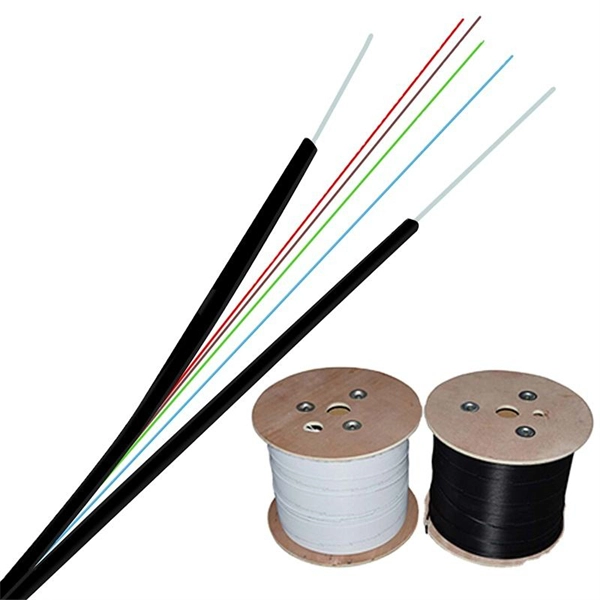
Key Specifications of Optical Receivers
Fiber optic receivers convert light signals into electrical signals for use by equipment such as computer networks. These electro-optical devices consist of an optical detector, a low-noise amplifier, and signal conditioning circuitry. Nowadays, the applications of optical...
[PDF Version]
-
Technical Features of Optical Receivers
What Is an Optical Receiver and How Does It Work?Learn how optical receivers convert light signals into electrical data, what's inside them, and why they m.
[PDF Version]
-
20-core optical cable qualified
GR-20-CORE, Generic Requirements for Optical Fiber and Optical Fiber Cable, documents the performance and reliability testing requirements to qualify optical fibers and optical fiber cables. This test program applies only to singlemode fibers. Silica fibers are constructed...
[PDF Version]
-

Is it necessary for optical distribution boxes to have handholes
Handholes are frequently used to provide access to cable splices and slack storage coils. Handhole & Manhole in Fiber Optic Networks Fiber optic networks form the backbone of modern telecommunication systems, enabling high-speed data transmission across long distances. To...
[PDF Version]
-
How is the sheath of a communication optical cable separated
This flexible insulating material is also called a sheath, typically a soft plastic material. On single-fiber cables (as diagramed above), this jacket OD is usually 2-3mm in diameter and can be stripped using common wire strippers of the appropriate gauge. The sheath is...
[PDF Version]
-
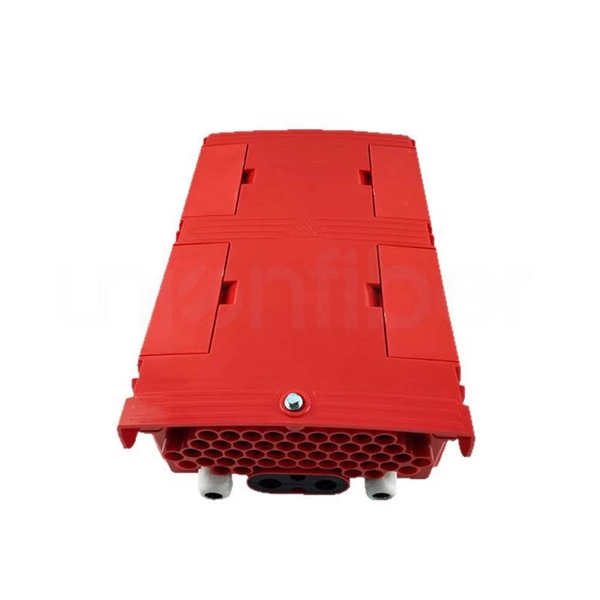
Methods for Laying Bundle-Shaped Indoor Optical Cables
This article examines common methods for installing indoor optical fiber and outlines the requirements for the job. OPGW, all-dielectric self-supporting cable, and OSFP 400G transceivers are part of modern SDGI, so we'll also discuss it. The objective of this document is to...
[PDF Version]
-
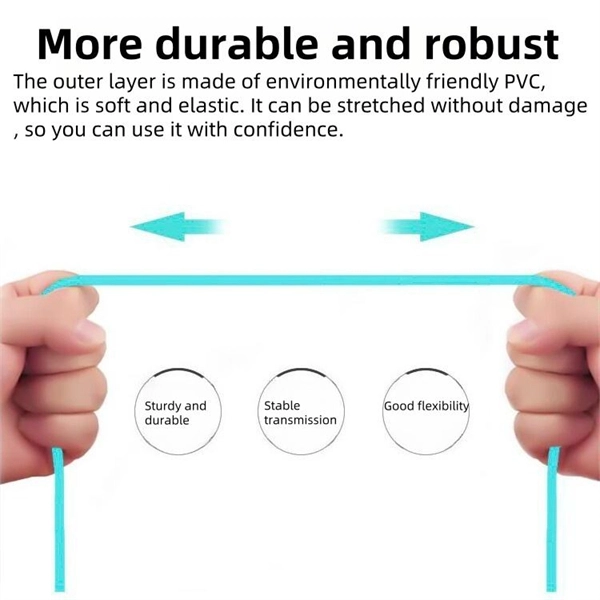
Can optical cables be bent and are used with connectors
Fiber optic cables are designed to withstand some bending, but excessive bends can physically damage the glass fiber or cause significant signal loss. That's why every fiber cable has a minimum bend radius specification provided by the manufacturer. To ensure optimal service...
[PDF Version]
-
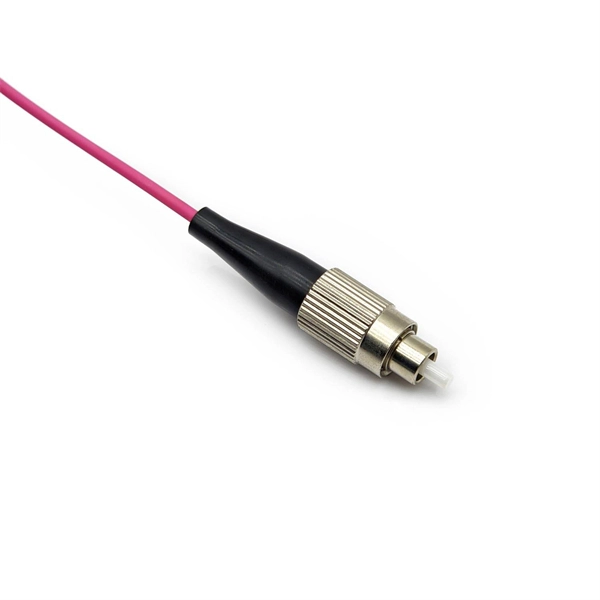
Ivory Coast Long-Distance Optical Cable G 652
The standard specifies the geometrical, mechanical, and transmission attributes of a single-mode optical fibre as well as its cable. The fibre has zero-dispersion wavelength around 1310 nm as per how it was designed, however it can also be used in the 1550 nm wavelength region.
-
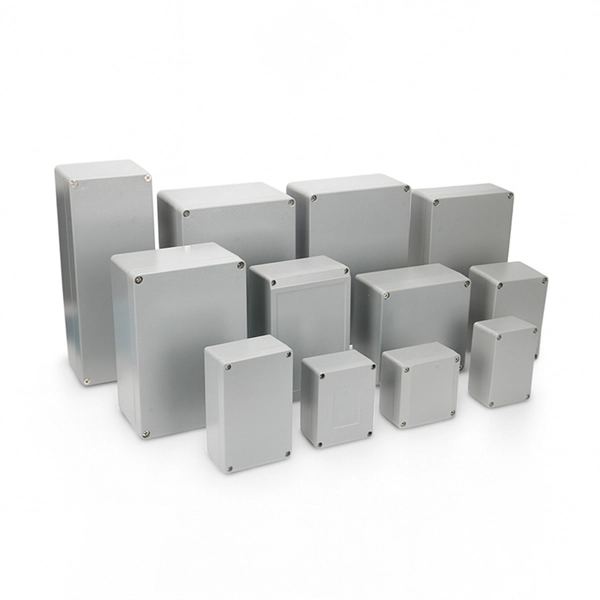
Indoor Flexible Optical Cable Termination
Fiber outlets or customer termination boxes are used for termination of fiber optic cables inside the premises. Indoor fiber optic cables are engineered for routing within buildings, data centers, and equipment rooms where flexibility, flame retardancy, and compact size...
More from the technical library
- Fiber optic signal light on the router
- Uzbekistan has a total of 800g of encapsulated optical components in stock
- What are the essential characteristics of outdoor optical cables
- What is fiber optic in a top-tier router
- Mainstream Optical Cable Brands
- Lebanon Optical Isolators Anti-Signaling
- Temporary switch distribution box