
Fiber infrastructure reference
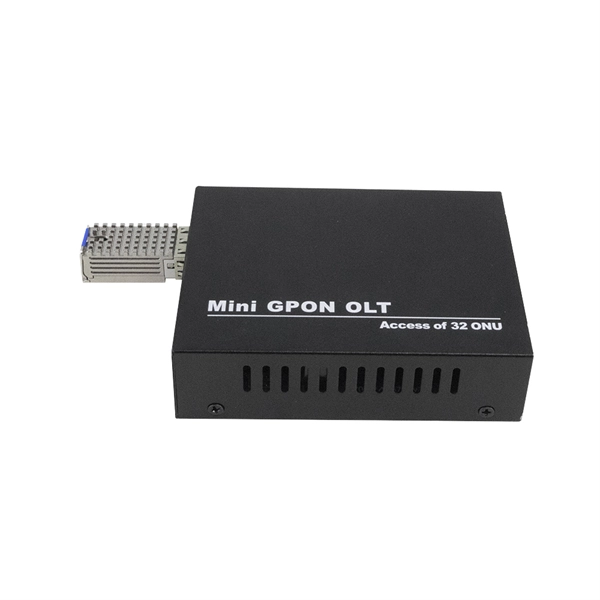
Optical Modules: Powering High-Speed Fiber Networks
Optical modules (also known as fiber optic transceivers) are essential components in modern communication networks, enabling high-speed data transmission by converting electrical
Optical Module Working Principle | SFP Transceiver Technical Guide
By converting electrical signals to optical signals (and vice versa) while maintaining stable power, extinction ratio, and signal integrity, SFP modules enable the high-speed, reliable
Optical module
OverviewIn-module componentsElectrical Interface TypesOptical modulation and multiplexing typesElectrical cable equivalentFront panel optical module MSAsOn-Board Optical module MSAsUsers of Optical Modules
Optical modules have a series of components inside, some of which have received attention from standards development organizations. In many cases, the baud rate of the optical interface does not equal the baud rate of the electrical interface. In these cases, a gearbox is used within the module to convert between the two rates. For example if the module supports 4 x 25 Gb/s electrical inputs and 2 wavelengths of 50 Gb/s optical inte
The Most Comprehensive Guide Of Optical Modules
Explore the ultimate guide to optical modules. Learn types, functions, performance metrics & how to choose the right module for your fiber network.
Fiber Optic Transceiver: The Simple Guide to What It Is
A fiber optic transceiver (also called an optical transceiver) is a compact module that both transmits and receives data signals through optical
Understanding Optical Modules: Working Principles,
As an essential component of optical fiber communication, optical modules are optoelectronic devices that facilitate the conversion between optical
Everything You Need to Know About Optical Modules
What is an Optical Module? Optical modules are electronic devices that convert electrical signals into optical signals for transmitting data over an optical
Understanding Optical Modules: A Comprehensive Guide
Optical modules are compact devices that convert electrical signals into optical signals and vice versa. They are used in fiber optic communication
How Optical Transceivers Work
An optical transceiver is a device that converts electrical signals into optical signals and vice versa. It is commonly used in fiber optic communication
The Internal Components and Structure of The Optical
The TOSA converts electrical signals into optical signals for the optical transmitter of the optical module, and the ROSA converts optical signals
Google | History & Facts; Products & Services | Britannica Money
Google is an American search engine company, founded in 1998 by Sergey Brin and Larry Page. Since 2015, Google has been a subsidiary of the holding company Alphabet, Inc. More than
Google is making its biggest change to the search bar in years
To get ahead in the new internet age, Google wants to help you google less. The company on Tuesday revealed a flurry of AI-powered features for its search engine, AI assistant Gemini and
About Google: Our products, technology and company information
Learn more about Google. Explore our innovative AI products and services, and how we''re using technology to help improve lives around the world.
Understanding Optical Modules: Working Principles,
The working principle of optical modules is illustrated in the diagram shown in the Optical Module Working Principle Diagram. The transmitting
What is an Electrical to Optical Converter?
This converter act as an interface between electronic systems that generate electrical signals and optical systems that transmit and receive data using light. The electrical-to-optical
Optical module
In the transmit direction, the optical module would directly drive the laser or LED with the analog signal coming from the front system card. In the receive direction, the module would directly drive the
Understanding Optical Transceiver Modules: A Comprehensive Guide
In the world of fiber optic communications, optical transceiver modules play a pivotal role as interfaces that convert electrical signals to optical signals and vice versa. If you''re dealing with
What is an Optical Transceiver? – VCELINK
How Does an Optical Transceiver Work? The optical transceiver is essential in fiber optic communication for transmitting and receiving data. In
Related Video Reference
This video was associated with the source search result. Verify technical details against current product documentation and project requirements.