
Fiber infrastructure reference
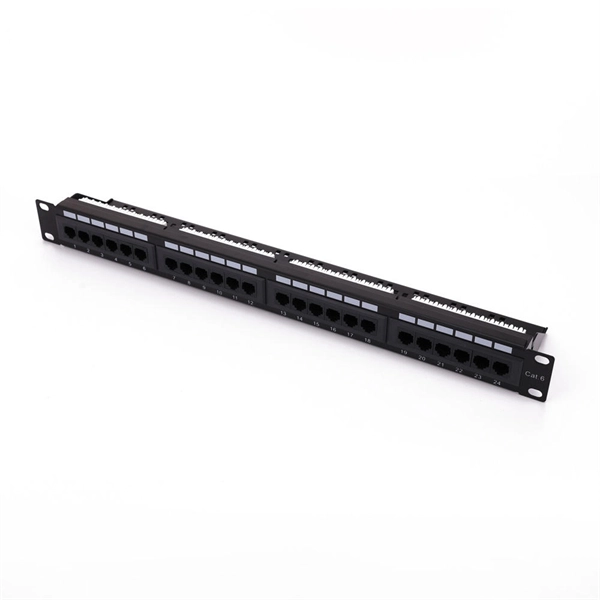
Fiber vs Copper in Data Centers — Cost, Speed
The following table summarizes the key differences between fiber and copper data center cabling across the metrics that matter most to
Data Center Cabling Standards, Design Strategies, and Performance
Modern data centers deploy a combination of copper cabling (Cat6A, Cat8) and fiber optic cabling (OM3, OM4, OS2). Copper remains common for short-distance, high-speed connections
Enterprise Data Center Products and Infrastructure: Fiber vs. Copper
Explore key enterprise data center products and infrastructure, focusing on fiber and copper cabling. Learn about performance differences, use cases and industry standards.
Copper vs. Fiber in High-Density Data Centers — Which Is the Better
While working on a recent data center network upgrade, an old question resurfaced: In high-density rack environments, should we continue using high-spec copper cabling (such as
Data Center Cabling Guide: Fiber vs Copper and Hybrid Design
Discover how fiber and copper work together in modern data centers. Learn when to use each for performance, cost efficiency, and scalable network design.
Data Center Cabling: Copper or Fiber? Which One to Choose?
Choose data center cabling between copper and fiber optic cables? This article analyzes the advantages and disadvantages of each method to help you make the right decisions and avoid
Why Fiber Optics is Replacing Copper in Data Centers
Surveys of hyperscale providers indicate that by the end of 2025, most new backbone deployments, estimated at about 85%, will leverage fiber optics rather than copper, a trend expected
AOC, DAC, or Copper Cables? A Practical Guide for Data Center
DAC cables integrate copper conductors with fixed transceivers on both ends. This design eliminates the need for separate optical modules and simplifies short-distance connections between
Choosing Your Data Center Backbone: Fiber Optic vs. Direct Attach
When scaling a data center or upgrading a server room, the debate usually boils down to two heavyweights: Fiber Optic and Direct Attach Copper (DAC).
Data Center Cabling: Copper or Fiber? – AMPCOM
The two primary options are copper and fiber optic cables. Both have their strengths and weaknesses, and making the right choice depends on a variety of factors, including your current
Structured Cabling Solutions
ICC is a structured cabling solutions manufacturer of copper & fiber optic connectivity products for commercial & residential applications.
NVIDIA HGX Platform: Data Center Physical
Learn the strict physical requirements for deploying NVIDIA HGX platforms from Hopper to Blackwell. Covers power (10-140 kW/rack), liquid cooling, rack design,
Data Centre Cabling Standards 2026: TIA-942 vs BICSI
The complete guide to data centre cabling in 2026 — deep comparison of TIA-942-C, BICSI 002-2024, ISO/IEC 24764, EN 50600, and
How to Manage Fiber Optic Cables in a Server Rack?
Proper fiber optic cable management in server racks requires a different approach than copper cabling—it''s a blend of precision engineering and meticulous technique. By implementing
Data Center High-Density Fiber Cabling: Why MPO/MTP Became the
Reach vs. cost trade-offs: Multi-mode fiber with VCSEL arrays (SR specifications) covers data center distances at lower cost than single-mode coherent optics. Standardization: IEEE 802.3
Fiber Optic Patch Cables: The Complete 2026 Buyer''s
Confused by LC, SC, MPO, UPC, and APC? This complete fiber optic patch cable guide covers connector types, single-mode vs multimode,
what does fiber optic cable look like: 7 Powerful Facts
Discover what does fiber optic cable look like with photos, color codes, and expert tips for easy identification and safe handling.
Data Center Racks, Cabinets, and Cages: An In-Depth
Inside a data center, a labyrinth of servers and high-tech networking gear are arranged in specialized racks, secure cabinets, and impenetrable cages.
Related Video Reference
This video was associated with the source search result. Verify technical details against current product documentation and project requirements.