
Optical Coupling Gel Transparent Optical Couplant
Search optical fiber, connectivity, cable management and network infrastructure references.
-
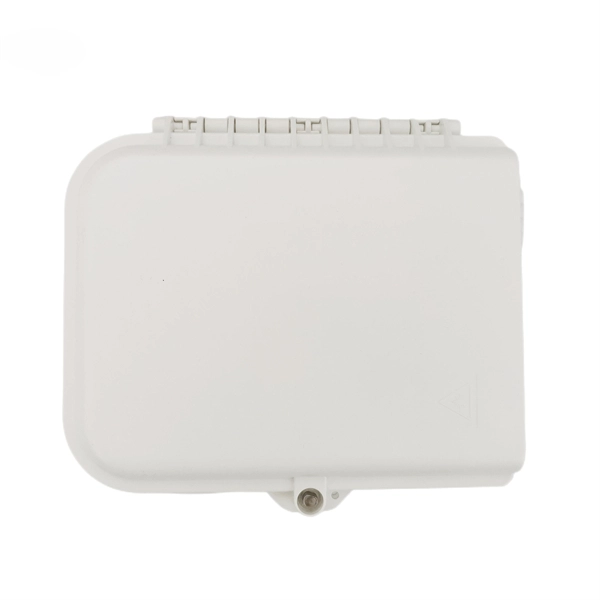
Transparent Optical Cable Splicing
Hi guys,In this video we demonstrate how to splice transparent fiber optic cables with precision and clarity. Keep out of the reach of children. Uncured sealant can irritate eyes and skin. It minimizes loss by reducing the difference in the index of refraction between the...
[PDF Version]
-
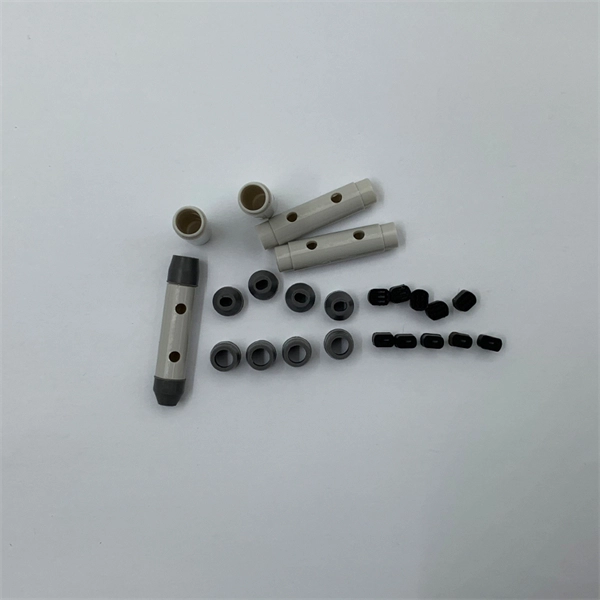
Albanian Transparent Optical Cable Maintenance ADSS
ADSS installation requires careful planning, correct tension settings, and smart hardware use. These steps help prevent breaks and signal loss. All-dielectric self-supporting (ADSS) cable is a type of optical fiber cable that is strong enough to support itself between...
[PDF Version]
-

Is it necessary for optical distribution boxes to have handholes
Handholes are frequently used to provide access to cable splices and slack storage coils. Handhole & Manhole in Fiber Optic Networks Fiber optic networks form the backbone of modern telecommunication systems, enabling high-speed data transmission across long distances. To...
[PDF Version]
-
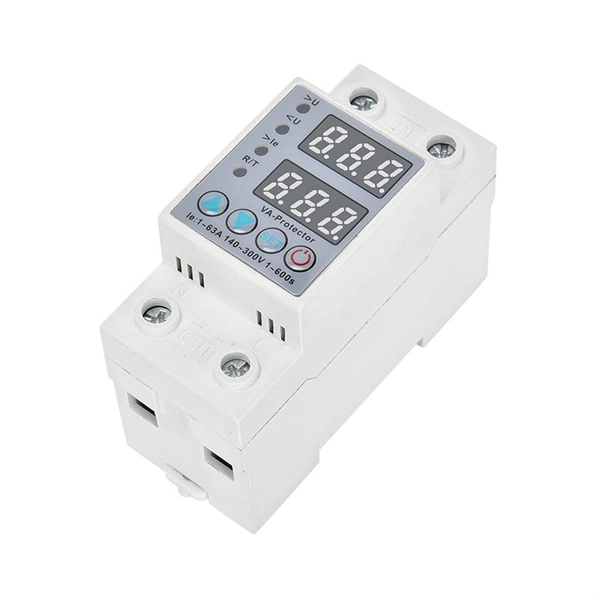
How is the sheath of a communication optical cable separated
This flexible insulating material is also called a sheath, typically a soft plastic material. On single-fiber cables (as diagramed above), this jacket OD is usually 2-3mm in diameter and can be stripped using common wire strippers of the appropriate gauge. The sheath is...
[PDF Version]
-
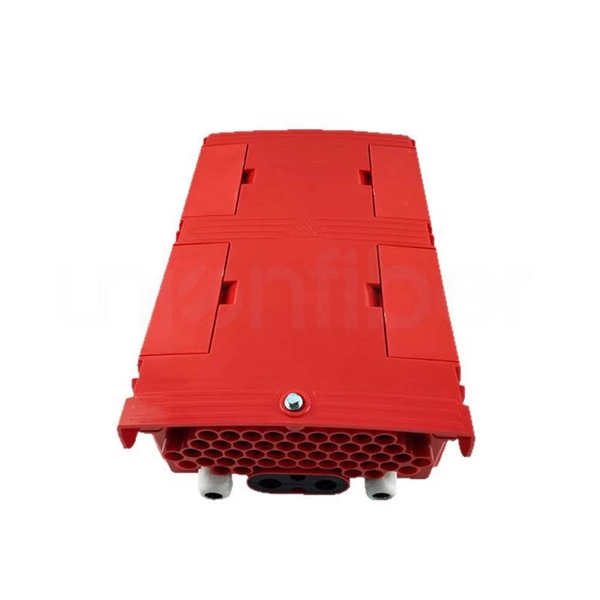
Methods for Laying Bundle-Shaped Indoor Optical Cables
This article examines common methods for installing indoor optical fiber and outlines the requirements for the job. OPGW, all-dielectric self-supporting cable, and OSFP 400G transceivers are part of modern SDGI, so we'll also discuss it. The objective of this document is to...
[PDF Version]
-
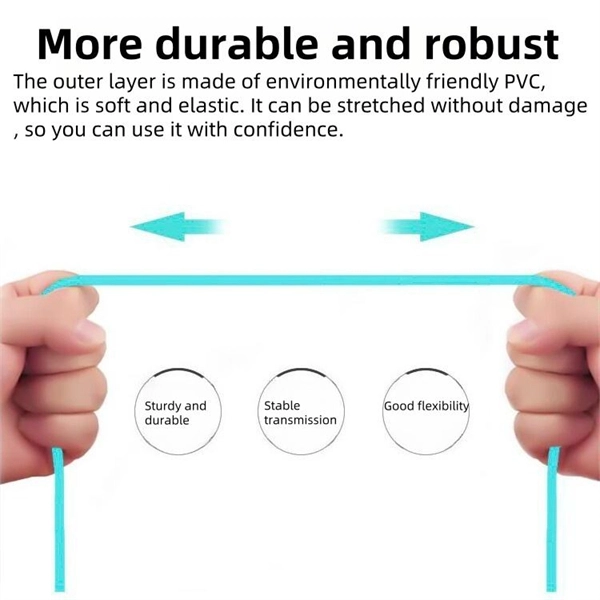
Can optical cables be bent and are used with connectors
Fiber optic cables are designed to withstand some bending, but excessive bends can physically damage the glass fiber or cause significant signal loss. That's why every fiber cable has a minimum bend radius specification provided by the manufacturer. To ensure optimal service...
[PDF Version]