
Of Cable Laying Process Guide Pdf Trench Pipe
Search optical fiber, connectivity, cable management and network infrastructure references.
-
Inspection Process for Fiber Optic Cable Laying on Highways
After splicing, technicians perform fiber optic testing using tools like Optical Time Domain Reflectometers (OTDRs) to check for light loss, continuity, and connection quality. Proper testing ensures that the fiber optic cable setup is functioning at peak performance before...
[PDF Version]
-
Full Process of Cable Laying on Cable Trays
Cable Tray Installation Learn everything about cable tray installation with our complete guide. Discover types, steps, and safety tips for efficient electr.
[PDF Version]
-

Desktop Fiber Optic Cable Laying Stand
Fiber to the Desk (FTTD) is the practice of using fiber-optic cables to connect computer workstations to the company network instead of copper cables. Although installation costs are higher than coppe.
-
Laying fiber optic cable ducts alongside highways
The document outlines steps like obtaining permissions, excavating trenches, laying ducts, providing additional protection, backfilling trenches, and performing optical tests after installation. Preference will be given for Horiz ntal Directional Drilling (HDD) wherever...
[PDF Version]
-
Safety Plan for High-Speed Optical Cable Laying
This guide highlights essential precautions including wearing protective gear, disconnecting power sources, handling fiber scraps carefully, avoiding face or eye contact, following regulatory standards, using adequate lighting, and keeping food or beverages away from work...
[PDF Version]
-
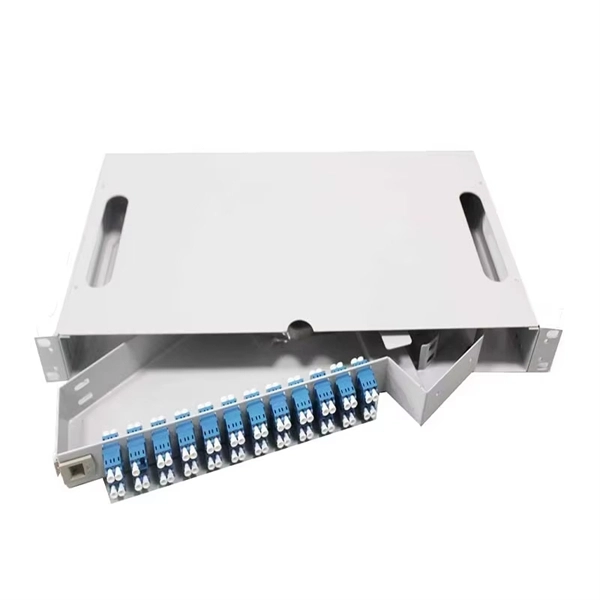
What are the equipment options for fiber optic cable laying
Installation tools include some big hardware like bucket trucks, trenchers, cable pullers or plows. The need for these will be established early in the planning stages. Engineers and. Fiber optic tools are specialized instruments designed for installing, terminating...
-
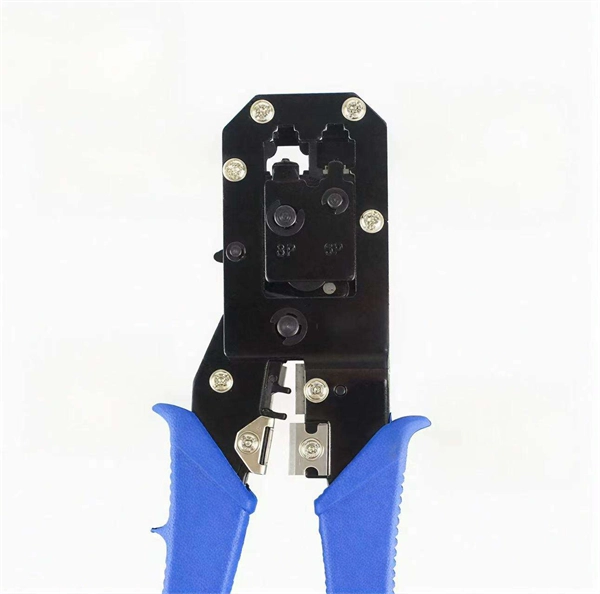
Tajikistan Cable Tray Laying Standards
General Practice: Cables within the tray should be laid straight and orderly, avoiding crosses or overlaps, and should not protrude. All bends must be securely fastened. 5 meters, ensuring even and. Cable trays play a vital role in supporting electrical cables and wires in...
[PDF Version]