
Networking Switches
Search optical fiber, connectivity, cable management and network infrastructure references.
-

Networking between aggregation switches
Switch-to-Switch Aggregation: This is useful in scenarios where you need to interconnect multiple switches to increase the bandwidth available between them and ensure network redundancy. It helps in managing higher traffic loads between switches. This article looks at what...
[PDF Version]
-

All-optical networking using fiber optic switches
All-Optical Ethernet Switch Explained: Features and BenefitsAn all-optical Ethernet switch is a network switch whose service ports are entirely optical, me.
[PDF Version]
-
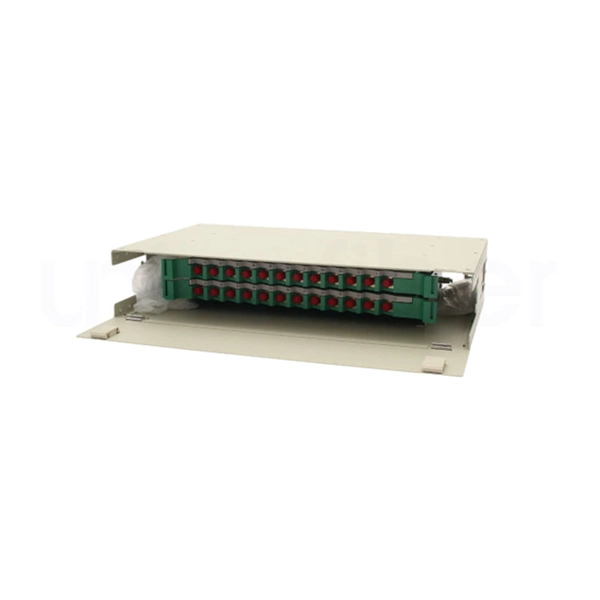
Multiple PoE switches converge
To connect 2 managed PoE switches with a single Cat6 cable, you only need to follow a few simple steps. Connect the Cat6 cable to the LAN port on each switch, and then configure the switches to communicate with each other by configuring VLANs, setting up QoS policies, and...
[PDF Version]
-
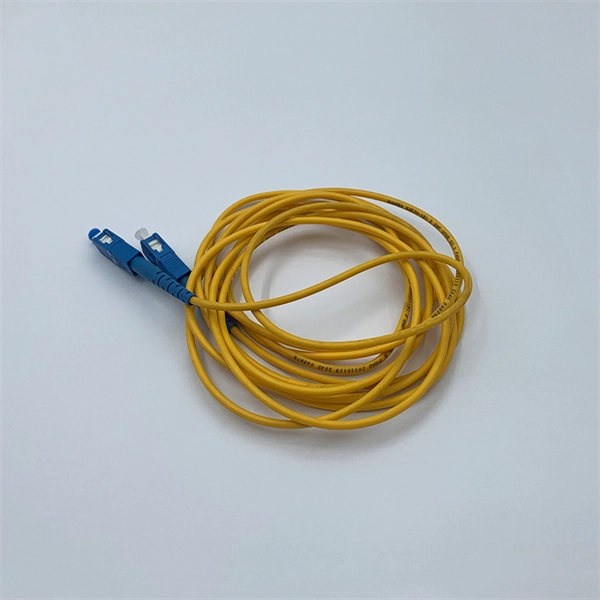
Hot-plugging of fiber optic switches
A hot plug transceiver, often seen as an SFP, SFP+, QSFP, or similar module, allows network administrators to insert or remove the optical transceiver from a switch, router, or server port while the system remains powered on. The hot-pluggable feature of optical transceivers...
[PDF Version]
-

Requirements for Installation Brackets for Distribution Box Switches
Learn how to install a distribution box safely and correctly. Covers wiring, placement, standards, and expert tips for a compliant setup.
-
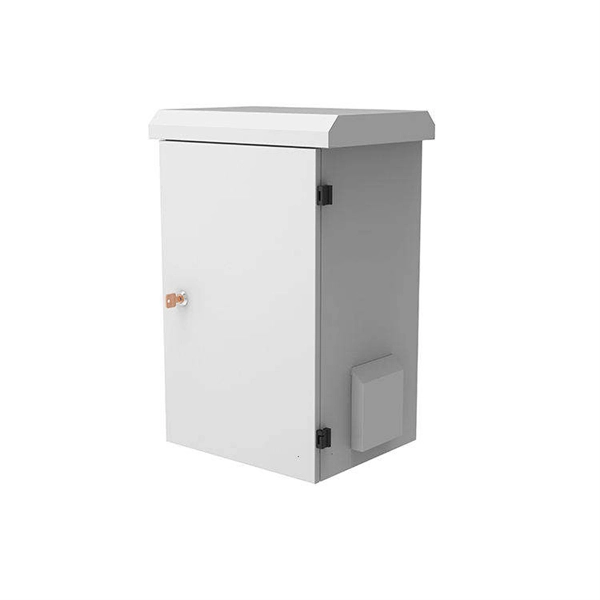
Switches for different local area networks
Ethernet switches come in various types, including Unmanaged Switches, Managed Switches (Smart and Fully Managed), PoE switches, Layer 2 switches, and Layer 3 switches. Each type offers different levels of control, security features, and management capabilities to suit...
[PDF Version]