
What is the width and depth of a server rack?
The standard width for a server rack is 19 inches, the most common size for rack-mounted IT equipment. The depth of server racks can vary, typicall...
Search optical fiber, connectivity, cable management and network infrastructure references.
The interior height, which is important for usability, is measured in U (height unit) in an internationally standardized way. So when you see a “42U cabinet,” that means it can hold equipment measuring up to 42 U units in height. For example, if you have a server that's...
[PDF Version]
Server Rack Cabinets Sizes: Depth, Width, & Height ExplainedGet a comprehensive guide on server rack cabinet sizes and dimensions. Understand the depth, wi.
[PDF Version]The standard width for a server rack is 19 inches, the most common size for rack-mounted IT equipment. The depth of server racks can vary, typicall...
Server rack cabinets come in various sizes, but the standard width is usually 19 inches. The height is measured in rack units (U), typically 24U, 4...
A standard rack unit, abbreviated as "U," is 1.75 inches (44.45 mm) tall. This unit of measurement is used to describe the height of equipment inte...
Our guide delivers actionable, step-by-step best practices for rack layout, cable management, and patch panel installation. Following these steps helps you build a clean and efficient structured cabling system that simplifies maintenance and maximizes network performance...
[PDF Version]
Common server rack sizes are 19‑inch width, heights like 42U or 48U, and depths from ~24″ to 48″. Choose size based on equipment type, cooling, space, and future growth. Most IT environments default to 42U, 19-inch width, and 1000–1200 mm depth unless space constraints or...
[PDF Version]
The 'U' in 22U stands for rack unit — a standardized vertical measurement used globally for mounting IT equipment in server racks and cabinets. 8 cm) of vertical rack-mount space. The 22U server racks are ideal for businesses that need a balance of capacity and efficient use...
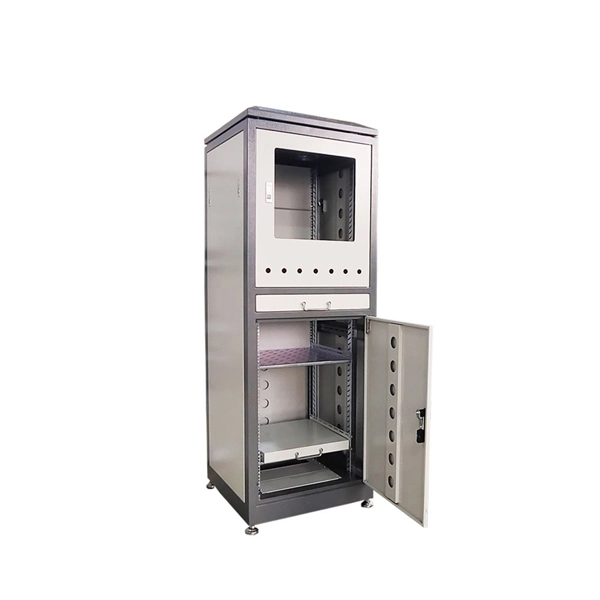
This 6U server rack comes fully assembled for quick and easy deployment. Front and rear vertical rails with square mounting holes accept standard rack equipment up to 16.5 inches (419 millimeters) de.
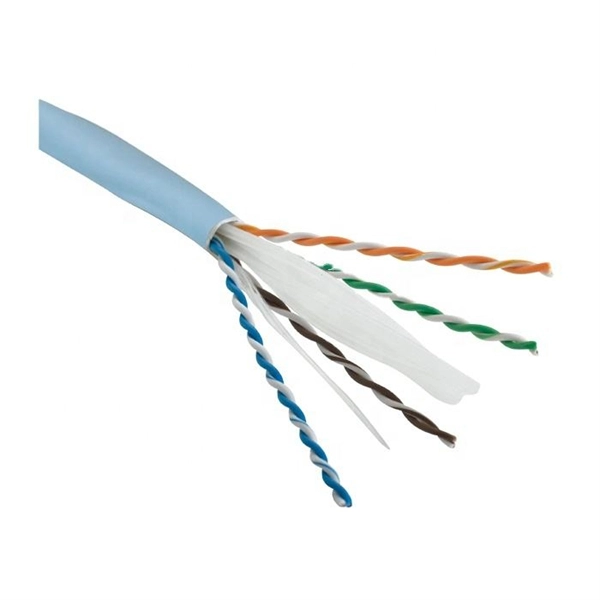
Server connectivity issues can disrupt operations and lead to downtime. Here's how you can quickly diagnose and resolve them: Network Issues: IP conflicts, subnet mismatches, or faulty cables. If they are unused, system administrators tend to plug them with blanking panels...
[PDF Version]
The cost of installing one or two cables can range anywhere between $300 to $850, for larger projects you can expect anywhere between $1,200 to $60,000+. Like most trades, the cost to run an ethernet cable or the cost of structured cabling will depend on many factors. How...
[PDF Version]
Inside of network cabinets allows easy access to cables and equipment and may have removable doors and/or side panels. Cables can be organized with cable management accessories in the front or back of the cabinets. In this guide, we'll walk you through everything you need to...
This guide provides essential best practices for server rack setup and organization, covering steps for effective installation, cable management, standards compliance, power distribution, cooling methods, and security measures. A Network Cabinet, often interchangeably called...
Share the fiber interfaces, termination capacity, cable route and evidence required for handover.