
Nec Standards For Cable Trays What Every Installer Needs To Know
Search optical fiber, connectivity, cable management and network infrastructure references.
-
What are the materials used for open-air cable trays
The choice of construction material depends heavily on the installation environment, with common options including galvanized steel, aluminum, and fiberglass. Galvanized steel is the standard for general industrial use, offering high strength and corrosion resistance due to...
-
What does xd represent for cable trays
EDGE™ Solutions are high-density pre-terminated optical cabling solutions offering industry-leading connector density. The Extreme Density ribbon-pigtailed housings are designed for speed of deployment. The mechanical and electrical characteristics, tests, certifications...
[PDF Version]
-
What corrosion protection should be used for cable trays in substations
FRP cable trays are lighter, corrosion resistant, and non-conductive, while steel trays rust and corrode in harsh environments. By selecting the proper material based on the level of corrosion risk, businesses can avoid costly maintenance and ensure the long-term stability of...
[PDF Version]
-
What material are the cable trays used for wiring in the basement made of
The cable trays consist of a thin metallic plate and electro-welded steel rods. Their construction is based on the international standard IEC 61537, which specifies the requirements for cable tray systems, tests, and specifications. What is Cable Tray? A cable tray is a unit...
-
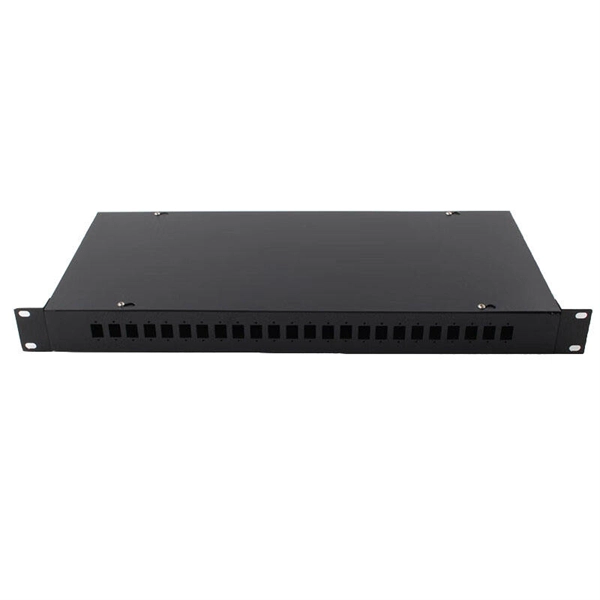
Standards for Horizontal and Vertical Cable Laying in Cable Trays
The primary rulebook used in the safe use of cable trays is NEC Article 392. This is a description of how to select, install, and support these metal or plastic frames, on which electrical wires are installed. NEC Article 392 outlines the key rules for installing and...
[PDF Version]
-
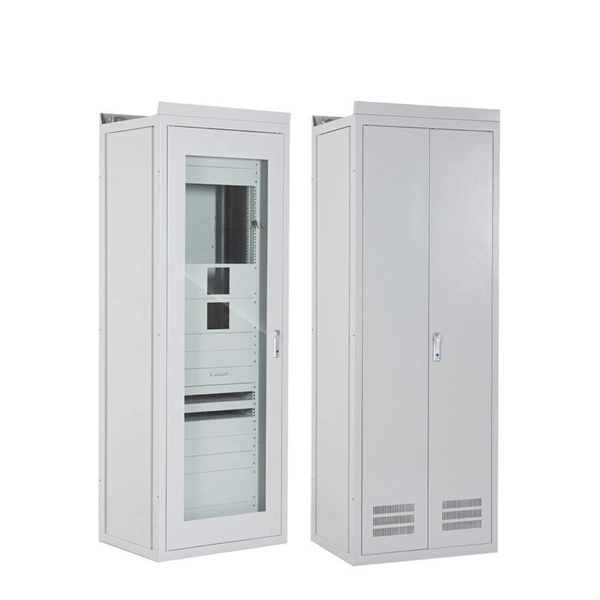
What parts are galvanized cable trays used for
Cable trays provide an organized pathway for routing and supporting electrical power cables, data cables, control wiring, and fiber optics across ceilings, walls, and elevated structures. They replace traditional conduit systems by offering easier access for installation...
[PDF Version]
More from the technical library
- Standard thickness of the base shell for electrical distribution boxes
- Reasonable pricing for Libyan wire mesh cable trays
- Madagascar Long-Life Cable Tray Supports
- What type of cable is used in the secondary distribution box
- Erecting Standards for Distribution Boxes
- The building s internal wiring is fiber optic cable
- Fiber optic cable bundled inside the cabinet