DOLPHIN FIBERNetwork equipment for Africa Send a project enquiry
Fiber network equipment / Technical library Optical reference library

Metallic and Non-metallic Optical Cables

Jump to a section
Source context

AI source overview

Metallic optical cables use metal for reinforcement and grounding, while non-metallic cables rely on dielectric materials like aramid or glass yarn for strength and electrical insulation.

Non-

Metallic Optical CablesNon-metallic optical cables, also known as all-dielectric cables, are reinforced with materials such as aramid yarn, glass fiber yarn, or FRP (fiber-reinforced plastic) rather than metal. Key advantages include: Electrical insulation: They are immune to lightning strikes and electromagnetic interference (EMI), making them ideal for installation near power lines, substations, or high-voltage zones. Corrosion resistance: Non-metallic materials do not react with moisture or produce harmful gases, suitable for humid or rainy climates.

Lightweight and flexible: FRP and aramid reinforcements reduce cable weight, facilitating aerial or duct installations. Mechanical strength: Aramid and glass yarn provide high tensile strength, crush resistance, and rodent protection. Applications include direct burial, duct systems, and aerial ADSS (All-Dielectric Self-Supporting) installations, particularly where grounding is impractical or prohibited.

Metallic Optical Cables

Metallic optical cables incorporate metallic components such as galvanized steel wire armor (SWA), corrugated steel tape (CST), or metallic conductors. Their characteristics include: Mechanical protection: Metal armor provides high crush resistance and rodent protection. Grounding capability: Metallic elements can be bonded to a common ground at splice closures, pedestals, or building entrances, ensuring safety and compliance with electrical codes.

Environmental suitability: These cables are often used in outdoor telecommunication networks, trunk lines, or inter-exchange routes where mechanical protection is critical.

Hybrid and Standardization Considerations

Some optical cables are hybrid, combining optical fibers with metallic wires for telecommunication and power feeding, as described in ITU-T L. 109. The choice between metallic and non-metallic cables depends on: Installation environment: High-voltage areas favor non-metallic cables; areas with high mechanical stress may require metallic armor.

Climate and moisture: Non-metallic cables resist corrosion and chemical reactions in humid or wet conditions. Grounding requirements: Metallic cables require bonding and grounding; non-metallic cables do not. Weight and handling: Non-metallic cables are lighter and easier to handle, reducing installation costs.

SummaryFeatureMetallic Optical CableNon-Metallic Optical CableReinforcementSteel wire, corrugated tape, metallic conductorsAramid yarn, glass fiber yarn, FRPElectrical ConductivityConductive, requires groundingDielectric, electrically insulatedMechanical StrengthHigh crush and rodent protectionHigh tensile strength, crush-resistant, lightweightEnvironmental SuitabilityOutdoor, high mechanical stressHigh-voltage areas, lightning-prone, humid climatesInstallationRequires bonding and groundingNo grounding needed, flexible installationChoosing the right optical cable involves evaluating mechanical, electrical, and environmental requirements, as well as compliance with national and international standards for optical fiber performance and safety.

Research context

Reference summary

28 Selection_of_the_Correct_Optical_Cable Except for the most severe Outside Plant conditions, a single jacket, either metallic or dielectric armored cable.

From reference to enquiry

Questions for your project

Use these editorial prompts alongside the linked excerpts. They identify items to confirm for your project.

Detailed reading / connection to installation

Fiber infrastructure reference
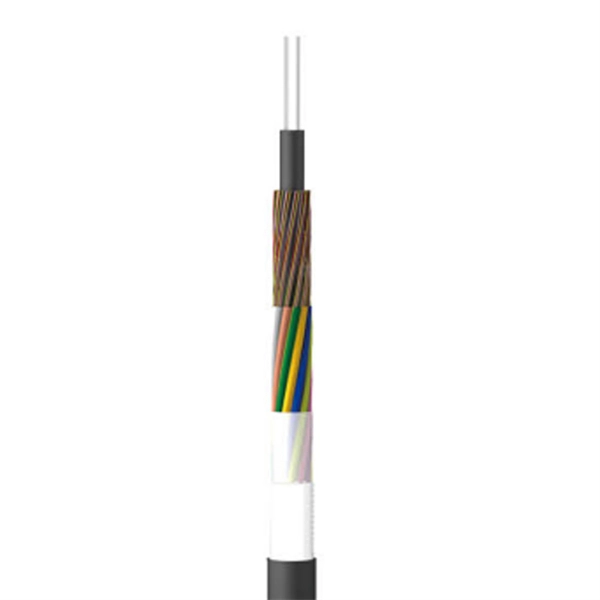
Metallic and Non-metallic Optical Cables
Equipment illustration / verify against the selected product
28 Selection_of_the_Correct_Optical_Cable

Except for the most severe Outside Plant conditions, a single jacket, either metallic or dielectric armored cable will likely provide sufficient protection to the cable required for it to provide satisfactory

Armored vs Non-Armored Optical Cables – Buyer''s Guide

Compare armored and non-armored optical cables. Learn structure, standards, global applications, cost, and ROI to choose the right fiber cable.

Non Metallic Armored Fiber Optic Cables | ETK Kablo

Metallic cable refers specifically to cables that contain metal—either as the armor (CST/SWA) or as conductors (in copper cables). Non-metallic armored fiber has armor but no metal, so it remains

Armored vs Non-Armored Fiber Optic Cables

Technical comparison of armored and non-armored fiber cables, including structure, mechanical protection, installation environment, and

Optical Cable Metal And Non-metal Reinforcement Selection And

It has excellent insulation and corrosion resistance, as well as high tensile strength and low ductility, making it ideal for non-metallic reinforcement in optical cables.

Fibre Optics vs Metal: Choosing the Right Connectivity

This article by Mark Baptista, Internal Application Engineer at electrical connector specialist PEI-Genesis, explores the advantages and trade

Lesson 8: Optical Fiber Cables & Raceways

Types ? and ? nonconductive and conductive optical fiber cables shall be suitable for general-purpose use, with the exception of risers, plenums, and other spaces used for environmental air, and shall

Fiber Optic Cable Armor Selection: A Comparative Analysis of Non

This comprehensive analysis highlights the advantages of non-metallic armor in most fiber optic installations, while acknowledging the niche role of metallic armor in specialized high-risk scenarios.

Non-metallic vs metallic fiber : r/FiberOptics

Looking at a spec sheet, how would I know if a fiber optic cable is metallic or non-metallic? What keywords am I looking out for assuming they don''t

Non-Metallic Armoured Fibre Optic Cables | Rodent and Te | AFL

Non-Metallic Armoured Fibre Optic Cables | Rodent and Termite Resistant | AFL Australia delivers high-performance engineering, reliability and simplified deployme

Non-Metallic Duct Optical Fiber Cable

Cross Section of Non-Metallic Duct Optical Fiber Cable Key Specifications for Non-Metallic Duct Cable For Detailed Specifications, consult Technical Advisor of

Armored vs Non-Armored Fiber Cable: How to Choose | Opelink

Armored fiber optic cable incorporates a protective metallic or non-metallic layer between the outer sheath and the fiber buffer/tube. This armor provides mechanical protection without

Armored VS Non Armoured Cable And What Is The

Armored vs Non Armoured Cable Differences in the structure Many people may think that armored fiber optic cable is just metal for protection. More

The characteristics and classification of optical cables

A length of fiber optic cable should be left on each trunk for expansion and contraction. Metal objects in the optical cable need to be grounded reliably,

Armored vs. Unarmored Fiber Optic Cables: What''s the Best for You?

In this blog post, we''ll explore the advantages and disadvantages of unarmored and armored fiber optic cables, helping you determine the best solution for your specific networking

Can non-metallic optical cables be used in power transmission

By addressing mechanical reinforcement and environmental resilience, these cables can offer a reliable, interference-free solution for modern power networks. As the demand for high-speed

Handbook – Optical fibres, cables and systems

Optical fibre, cables and systems - iii - PREFACE The invention of the laser and its demonstration is dated 1960. It was suggested in 1966 that optical fibres might be the best choice for using laser light

Fibre optic vs metal components

Both metal and fiber optic cables can be durable options as both can be designed to meet IP (Ingress Protection) ratings up to IP67. For consistency, fiber optics may be the suitable

Specify your fiber equipment

Share the fiber interfaces, termination capacity, cable route and evidence required for handover.

Send a project brief