
Fiber infrastructure reference
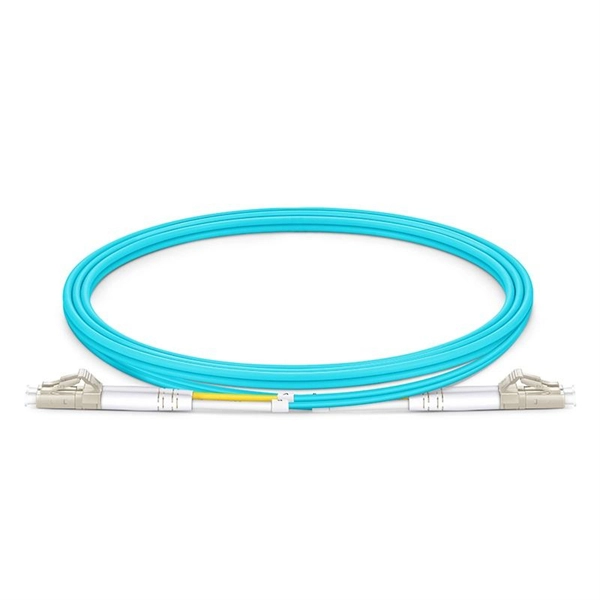
The Key Differences Between 1-core, 2-core, Single
In optical modules, “core” refers to the light-transmitting channel in the fiber. A 1-core module uses a single fiber core for data transmission, while a
The Difference Between Single/Dual Fiber and
Dual fiber modules use two separate fibers: one for transmitting (TX) and one for receiving (RX). This is the most common setup and is widely
10G SFP+ Optical Transceivers | Transceiver Module
Click to get your 10G SFP+ transceiver modules from nearby warehouses. 30-Day Free Return. Trusted by 260K+ Enterprise Users.
Multi-core Fibers – dual core, twisted, space division
Most optical fibers have a single fiber core, which is usually located on the fiber axis. However, there are also specialty fibers containing multiple cores, which may
Differences Between Dual Fiber SFP and Simplex SFP Modules
Dual fiber SFP and simplex SFP modules are two different SFP types, and understanding their differences is crucial for making informed decisions in network deployments.
What Is an SFP Module? — Complete Guide to SFP, SFP+ & SFP28
Core Functions of an SFP Module SFP modules perform three primary functions in a network: Electrical-to-optical or optical-to-electrical conversion For optical modules, the SFP contains a TOSA (Transmit
Optical Module Working Principle | SFP Transceiver Technical Guide
This comprehensive guide breaks down the internal structure, core components (TOSA, ROSA, lasers), and operational mechanisms of SFP optical modules, enriched with technical insights
What Is A Single-Fiber BiDi Transceiver?--ETU-LINK
Single fiber module also called BiDi transceiver or WDM module. It uses WDM technology to realize the bidirectional transmission of optical signals on one optical fiber.
The Most Comprehensive Guide Of Optical Modules
Explore the ultimate guide to optical modules. Learn types, functions, performance metrics & how to choose the right module for your fiber network.
Designing a Module for High-Speed Optical Communication
The ultimate goal for all-optical connectivity with an ultra-high F5G bandwidth is to increase transmission rates. Optical modules — the foundation of optical communication networks — face the design
Cisco Optics | Transform Your Network
Get the highest quality, performance-leading optical transceivers for any network architecture. Find the transceiver model to fit your network.
What Is A Single-Fiber BiDi Transceiver?--ETU-LINK
When planning a fiber optic network,one key decision is choosing between single-fiber (BiDi) and dual-fiber optical transceivers. This guide from ETU-Link explains their differences,advantages,and how to
What is an Optical Module?
Optical modules are a core component of optical fiber communication systems. 1. Composition of Optical Modules The optical module, known as Optical Transceiver in English, is a general term for various
Optical module
An optical module is a typically hot-pluggable optical transceiver used in high-bandwidth data communications applications. Optical modules typically have an electrical interface on the side that
2 Core Multimode Fiber Optic Cable with OWIRE Solutions
A **2 core multimode fiber optic cable** contains two strands of optical fiber, each capable of carrying data using multiple light modes. This design allows for high bandwidth over
The Ultimate Guide to SFP Modules (2026): Types,
Confused by SFP vs SFP+? Read the definitive 2026 guide on SFP modules. We explain Single Mode vs Multimode, DDM diagnostics, and how to choose the
How Many Cores Do You Need in Your Fiber Optic Cable?
Fiber optic cables are the backbone of modern internet infrastructure, but choosing the right one can be tricky. One key factor is the number of cores, which impacts how much data you can
The Key Differences Between 1-core, 2-core, Single Mode, and
In this article, I break down the basics of fiber optic communication and explore the differences between 1-core, 2-core, Single Mode (SM), and Multi-Mode (MM) optical modules. Whether you''re