
Make A 90 Bend In Electrical Cable Tray
Search optical fiber, connectivity, cable management and network infrastructure references.
-
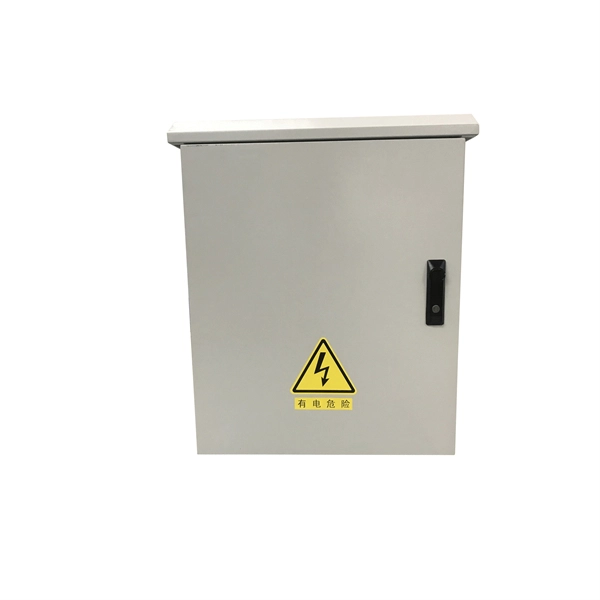
How to make a side cable tray bend
You can buy a manufactured 90 degree bend or make one on a cable tray bending machine but in this video I show you how to make one using a metal bar. This involves a few essential steps to ensure a successful bending process. The first step in preparing the. Depends on the...
-
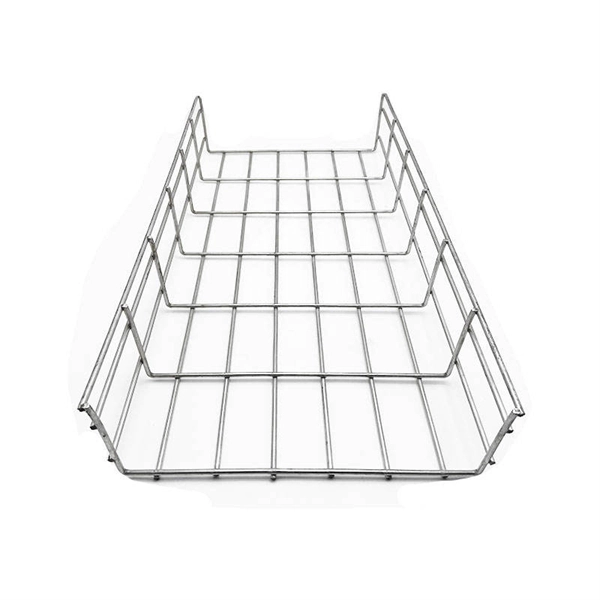
Do electrical cable trays use sleeves when passing through walls
A cable tray wall penetration sleeve is a protective component used to route cable trays through walls, ensuring a safe and secure pathway for cables. Where cables pass through shafts, walls, slabs, or enter electrical panels or cabinets, openings shall be tightly sealed with...
-

Analysis of the Cable Tray and Busbar Electrical Industry
This Insight Report provides a comprehensive analysis of the global Electrical Busbar Tray landscape and highlights key trends related to product segmentation, company formation, revenue, and market share, latest development, and M&A activity. Electrical Busbar Tray by...
[PDF Version]
-
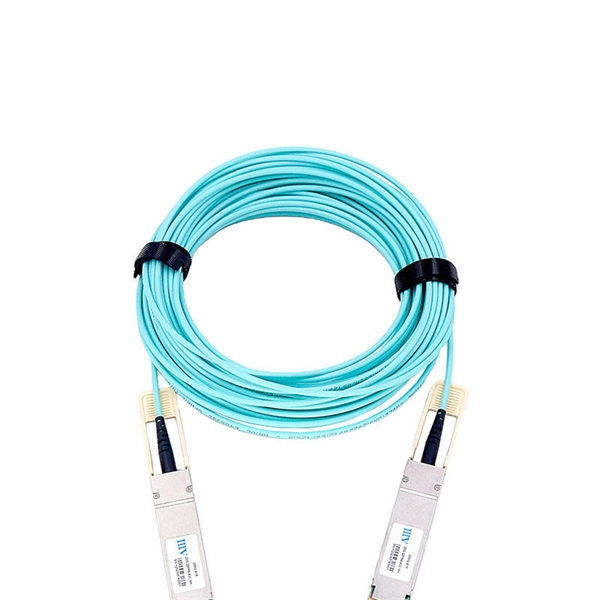
Cable tray cost for electrical wells
Wireways and cable trays price structures are dominated by material costs, which account for 60-70% of total project expenses. Steel wireway systems typically fall in the $8-20 per foot range, while aluminum variants command premiums of $12-30 per linear foot due to...
[PDF Version]
-
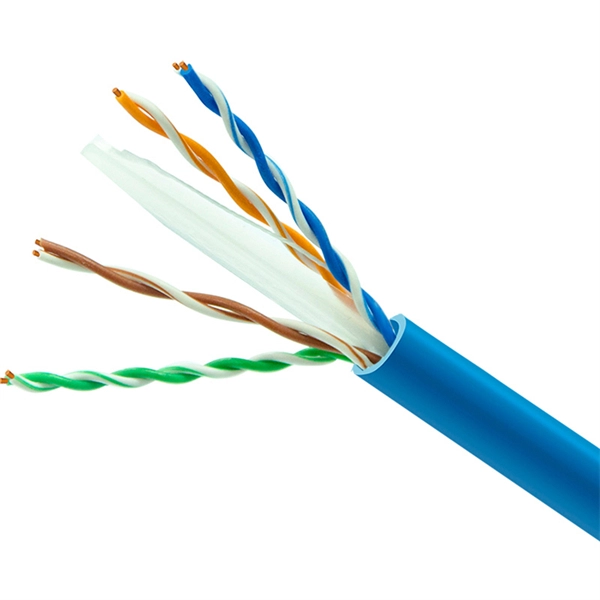
Vertical Right Angle Enlarged Bend of Cable Tray
The 90 degree bend for 50mm heavy duty cable tray is a robust elbow fitting manufactured from pre-galvanised steel. Built to industry standard heavy gauge specifications, this bend ensures secure and durable right angle turns in heavy duty tray installations. Fittings, cable...
[PDF Version]
-
Electrical box wire bend
Below you will find the best resources on bending radius for wire and cable, including an easy-to-use chart for figuring out your minimum bend radius per the NEC and ICEA, and a step-by-step calculator/guide for making this determination for your current or upcoming project...
[PDF Version]
-
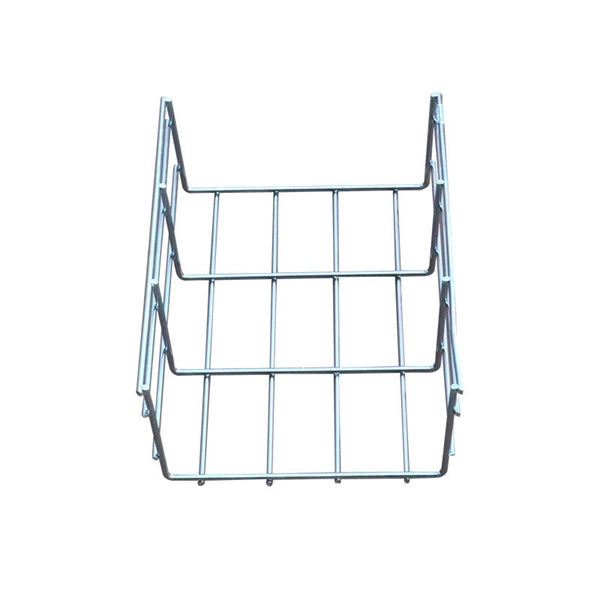
Automatic Calculation of Electrical Cable Trays
The Cable Tray Sizing Calculator is an electrical calculator tool designed to determine the correct cable tray dimensions for electrical installations. Accurate fill ratio analysis and tray sizing per NEC, IEC 60364, and BS 7671 standards. Select Fill Standard: Choose 40% for...
[PDF Version]
-
Cable tray bends up and down 90 degrees
Vertical and horizontal angle adjustability to 90° to fit any configuration. Available in three heights (2””, 4”” and 6””), five widths (6””, 8””, 12””, 18”” and 24””) and two finishes (EZ and BL). Safer installation, no need for cutting tools and less time on elevated areas...
[PDF Version]
-
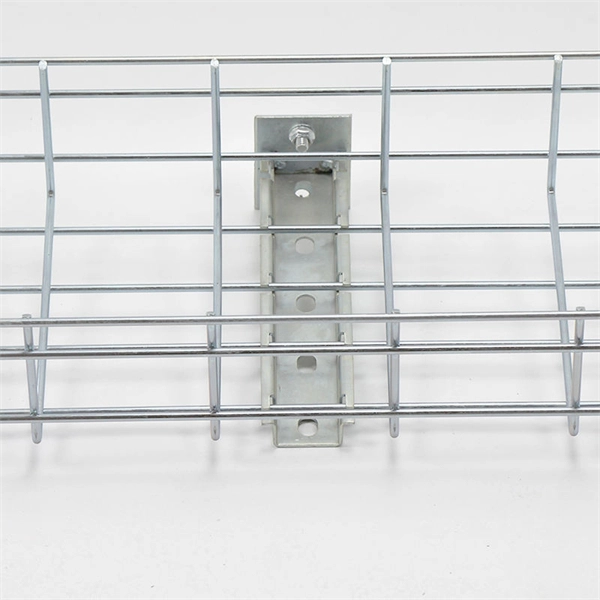
Width and Height of Electrical Cable Trays
Standard cable tray widths typically range from: Tray heights generally range from 25mm to 150mm, depending on cable volume and ventilation requirements. Thickness varies by material and load capacity: Galvanized cable tray thickness must meet ASTM A653 standards for...
[PDF Version]
-
How to make different cable trays
Building a custom cable tray is a great way to keep your space organized. First, gather sturdy materials like metal or plastic, along with tools like a saw and drill. Measure your area to determine the tray size, then assemble it by connecting side and end panels securely...