
1. What are the advantages and disadvantages of laser diodes?
Advantages of Laser DiodeWhen a laser diode is compared with other light-emitting devices, the operational power is less in the laser diode.The tre...
Search optical fiber, connectivity, cable management and network infrastructure references.
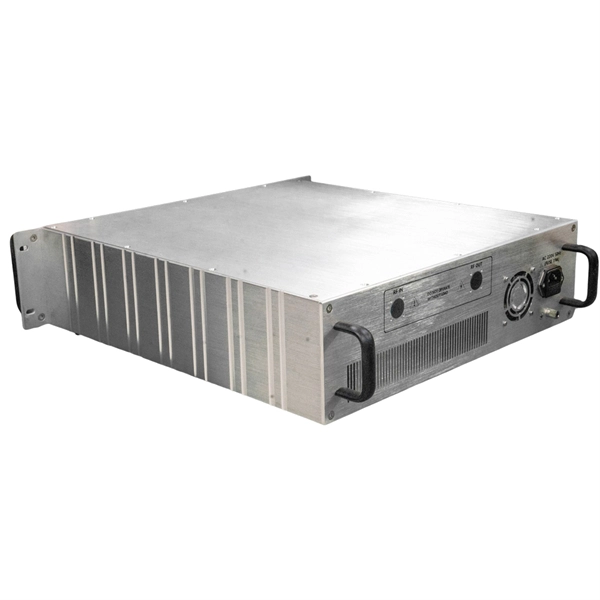
A laser diode is a semiconductor device that transmits coherent and highly focused light through a process called stimulated emission. : 3 Driven by voltage, the doped. This chapter starts with a brief recap of the fundamental aspects and elements of diode lasers, including...
[PDF Version]
Laser Diode: Working Principle, Diagram & Applications The working principle of a laser diode is based on stimulated emission and population inversion with.
[PDF Version]Advantages of Laser DiodeWhen a laser diode is compared with other light-emitting devices, the operational power is less in the laser diode.The tre...
The laser diode is defined as follows:Monochromatic: A small width of emitted narrow light that has just one colour.Well-directed: The light will b...
Laser diodes are classified as follows:Heterostructured laser diode: A heterostructured material is one that is sandwiched between two n-type and t...
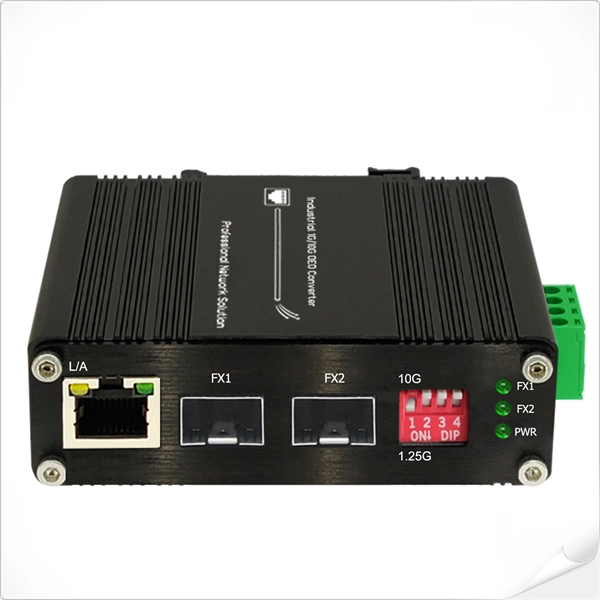
It works on the same basic principle as an LED, but with an internal structure that forces photons to align in phase and direction, producing coherent laser light instead of the diffuse glow of a standard light bulb or LED. A laser diode is a small semiconductor chip that...
[PDF Version]Advantages of Laser DiodeWhen a laser diode is compared with other light-emitting devices, the operational power is less in the laser diode.The tre...
The laser diode is defined as follows:Monochromatic: A small width of emitted narrow light that has just one colour.Well-directed: The light will b...
Laser diodes are classified as follows:Heterostructured laser diode: A heterostructured material is one that is sandwiched between two n-type and t...
Inside an LED is a simple chip and a plastic lens. A laser module uses precise mirrors, gain media, and control chips to produce focused beams. Lasers require. Meanwhile, laser diodes emit focused light with a narrow beam. What's an LED? Light-emitting diode, also known as an...
[PDF Version]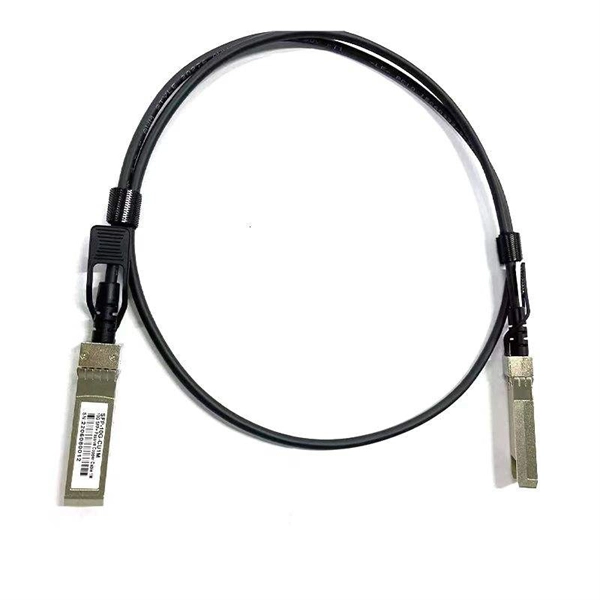
Air-blown optical cable technology is an engineering technology that uses high-pressure airflow to push the optical cable to be laid in a suspended manner. Placing optical fiber cables in duct systems using air-assisted installation techniques presents different installation...
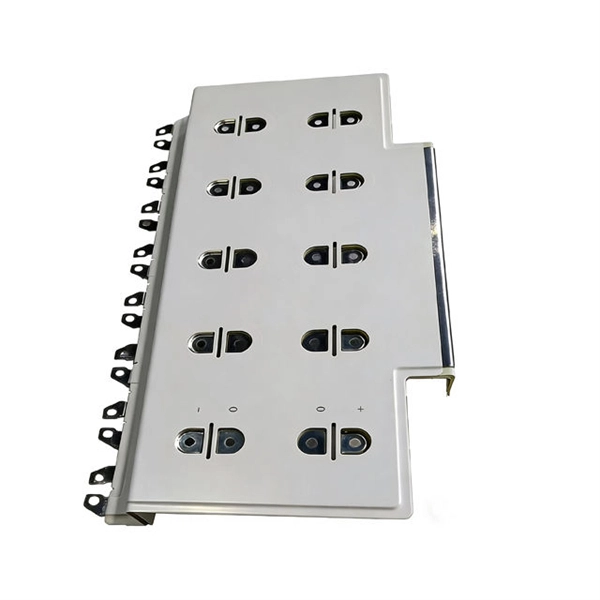
Testing solar panels is easy with a multimeter! To test the current, simply connect the multimeter to the panel's output. Measuring their power output helps identify underperforming units, diagnose wiring issues, and maximize ROI. Here's what you'll need: Let's break down the...
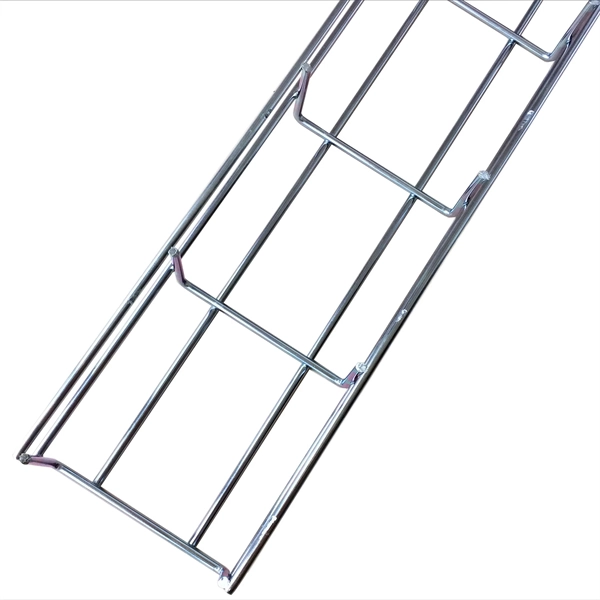
At the heart of every optical transceiver lie three essential components, often called the “Three Pillars” of optical communication: Laser — generates light. Modulator — encodes data onto the light. They mainly consist of optoelectronic components (such as optical...
[PDF Version]Share the fiber interfaces, termination capacity, cable route and evidence required for handover.