
L1 Vs L2 Vs L3 Switches Key Differences Explained
Search optical fiber, connectivity, cable management and network infrastructure references.
-
Multiple PoE switches converge
To connect 2 managed PoE switches with a single Cat6 cable, you only need to follow a few simple steps. Connect the Cat6 cable to the LAN port on each switch, and then configure the switches to communicate with each other by configuring VLANs, setting up QoS policies, and...
[PDF Version]
-
Key Points for On-site Inspection of Distribution Boxes
Check for signs of corrosion or rust. Inspect for any physical damage to the enclosure. Ensure that all labels and warning signs are legible. Forget cookie-cutter checklists – we're talking about the real, practical inspection points that determine whether a distribution box...
[PDF Version]
-
Hot-plugging of fiber optic switches
A hot plug transceiver, often seen as an SFP, SFP+, QSFP, or similar module, allows network administrators to insert or remove the optical transceiver from a switch, router, or server port while the system remains powered on. The hot-pluggable feature of optical transceivers...
[PDF Version]
-
Requirements for Installation Brackets for Distribution Box Switches
Learn how to install a distribution box safely and correctly. Covers wiring, placement, standards, and expert tips for a compliant setup.
-
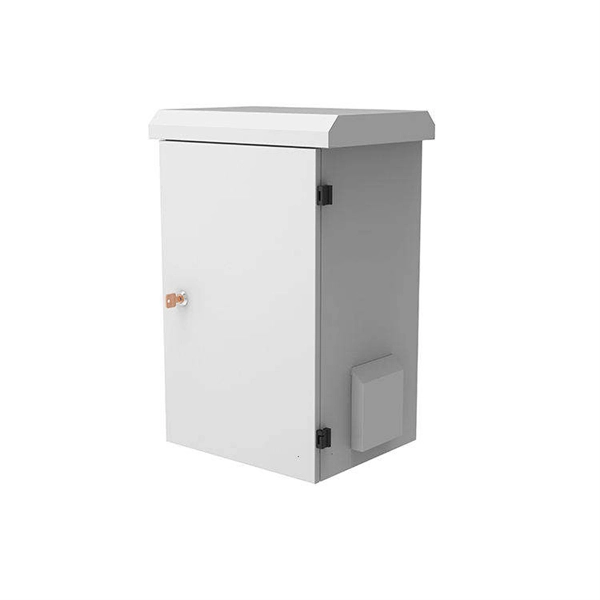
Switches for different local area networks
Ethernet switches come in various types, including Unmanaged Switches, Managed Switches (Smart and Fully Managed), PoE switches, Layer 2 switches, and Layer 3 switches. Each type offers different levels of control, security features, and management capabilities to suit...
[PDF Version]
-
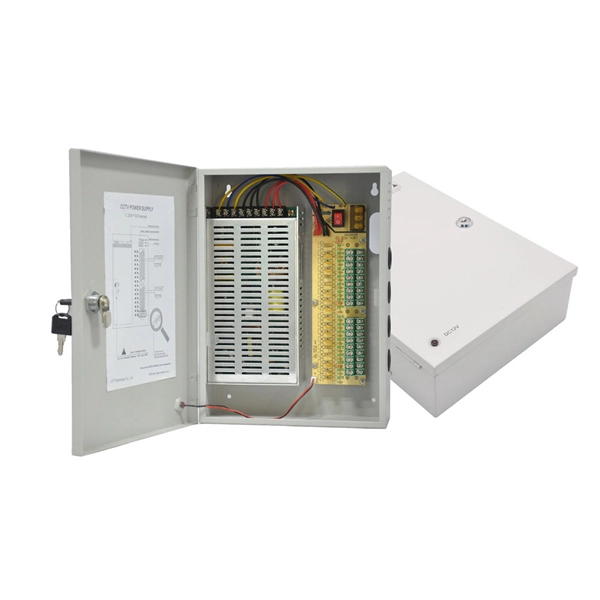
How to split fiber optic cable between two switches
You use optical couplers and splitters to split or join signals in fiber networks. DWDM/CWDM is like a two-edged sword. For a small fee (the procurement of the modules and the circulator) you can split/splice one physical fibre optic cable into multiple pairs. Splitters come...
-
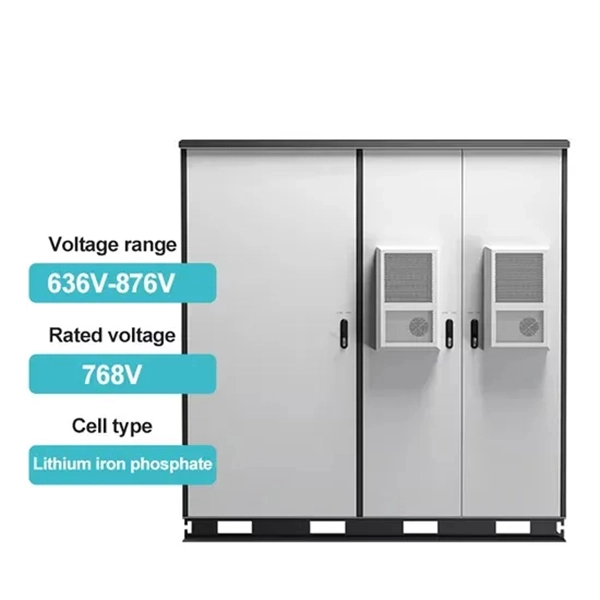
Converting communication switches to fiber optic cables
Conversion uses hardware that translates optical signals to electrical signals. Options include standalone media converters, switching converters for rate conversion, SFP transceivers (fiber or copper), and managed switches with both fiber and copper ports. They are commonly...
[PDF Version]
-
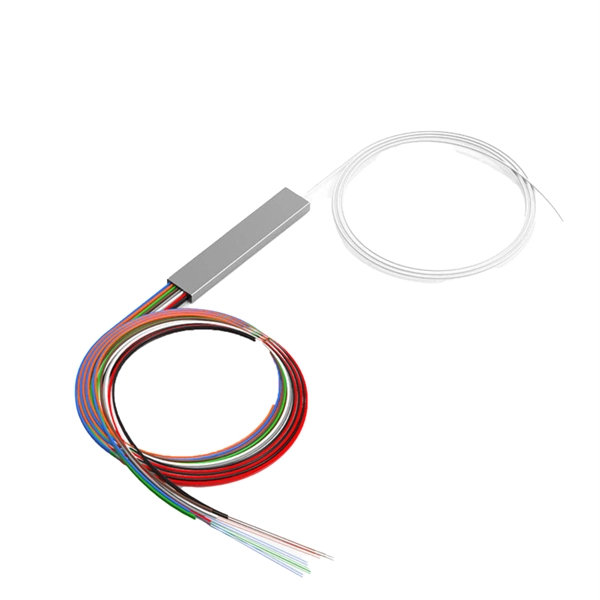
Four Advantages of Industrial Switches
Industrial switches offer advantages over regular commercial switches due to their ability to withstand harsh working environments, a wide range of product options, and flexible port configurations, meeting the diverse needs of industrial control fields. Industrial switches...
More from the technical library
- Which standard should be used for cable trays
- Portable power distribution box wires for construction sites
- How to install an adjustable angle cable tray
- How many meters of fiber optic cable should be reserved for the junction box
- Israel Base Station Energy Solution 200kWh
- How to obtain the matte finish upgrade module