
How can one identify a broken fiber optic cable?
To identify a broken fiber optic cable, start by performing a visual inspection for any physical signs of damage, such as bends, cracks, or breaks...
Search optical fiber, connectivity, cable management and network infrastructure references.
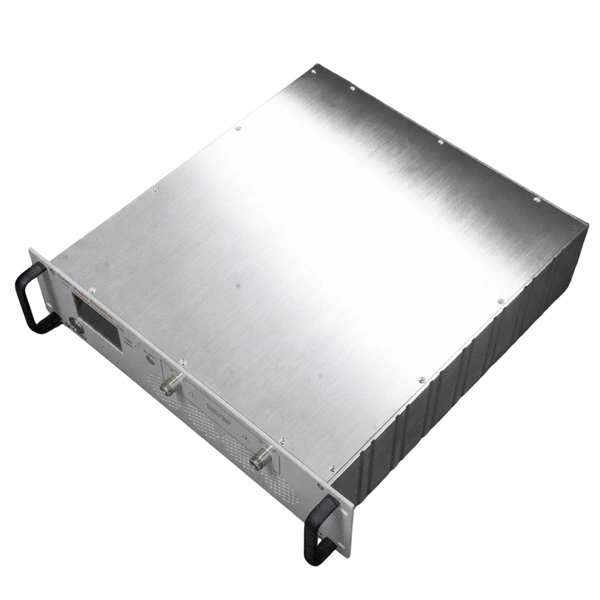
Normal WDM (sometimes called BWDM) uses the two normal wavelengths 1310 and 1550 nm on one fiber. Dense WDM (DWDM) uses the C-Band (1530 nm-1565 nm) transmission window but with denser channel. In fiber-optic communications, wavelength-division multiplexing (WDM) is a...
[PDF Version]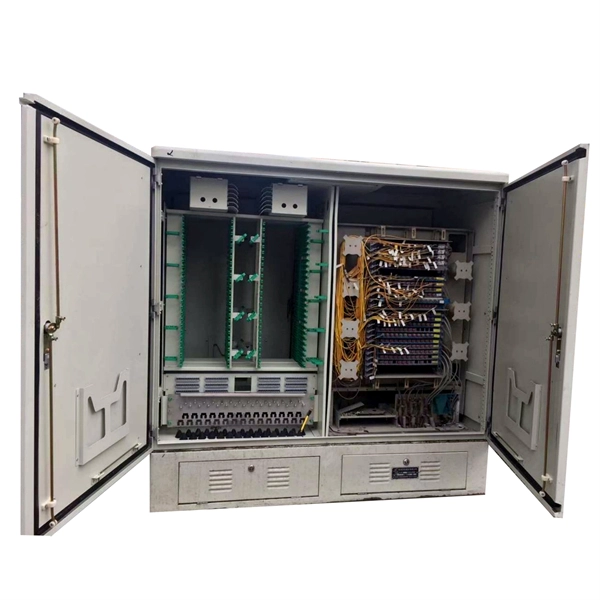
Single-Mode Laser Diodes: Emit a single wavelength of light, ideal for high-precision tasks. The anode connection on the right has been accidentally broken by the case cut process. A laser diode (LD, also injection laser diode or ILD or semiconductor laser or diode laser) is...
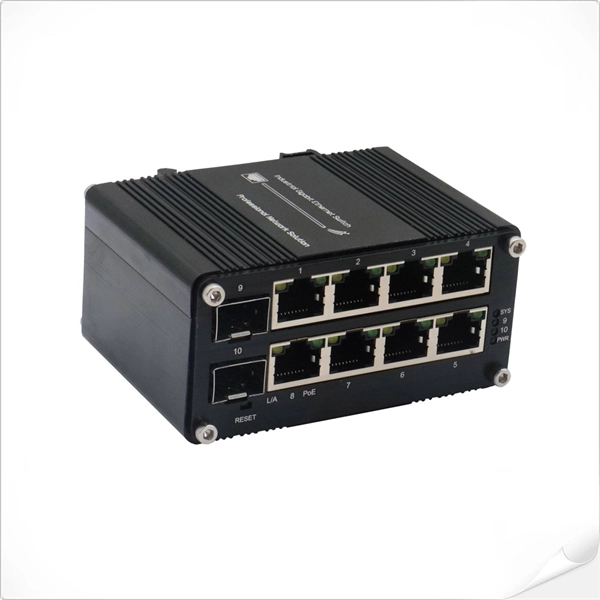
Optical Splitters Demystified: The Silent Heroes Powering Your FTTH. 📄 FBT vs. PLC Splitters: Choosing the Right Type There are two main manufacturing te.
[PDF Version]
The Dell Q28-100G-SWDM4 X7CCC is a 100GB BASE-SWDM transceiver designed for high-performance network applications. This QSFP28 form factor module operates at a wavelength of 850nm and supports multi-mode fiber (MMF) connections, ensuring reliable data transmission over short...
[PDF Version]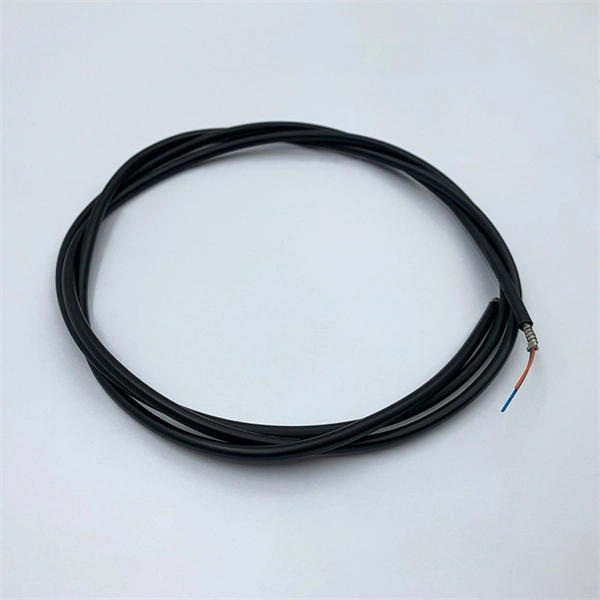
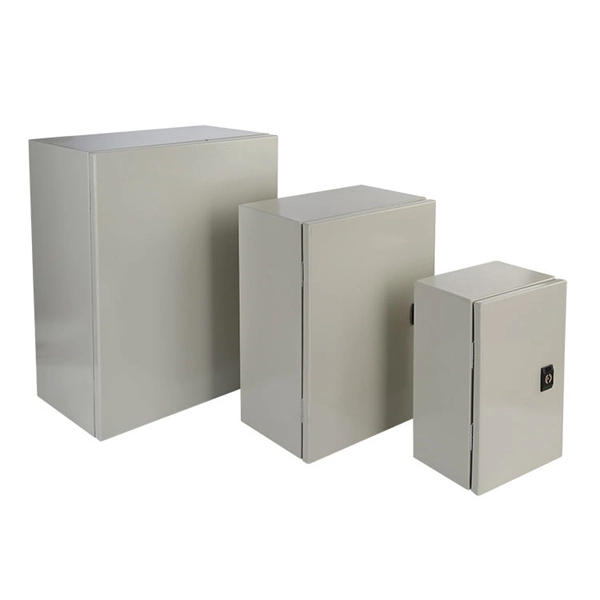
Check for signs of corrosion or rust. Inspect for any physical damage to the enclosure. Ensure that all labels and warning signs are legible. Forget cookie-cutter checklists – we're talking about the real, practical inspection points that determine whether a distribution box...
[PDF Version]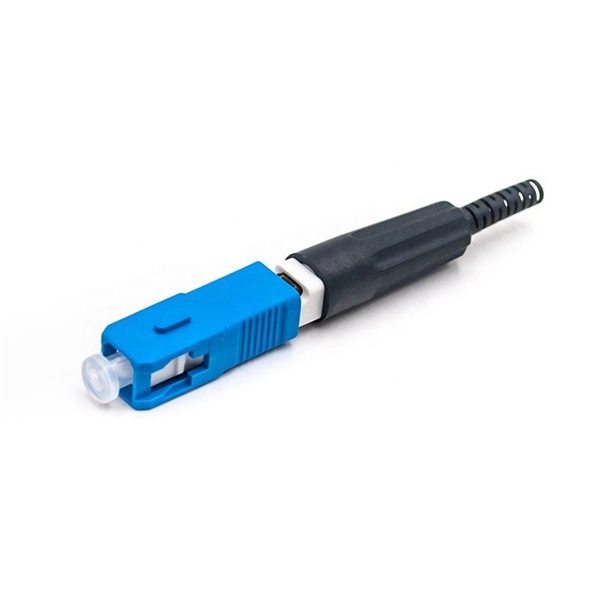
In 1880, and his assistant created a very early precursor to fiber-optic communications, the, at Bell's newly established in. Bell considered it his most important invention. The device allowed for the of sound on a beam of light. On June 3, 1880, Bell conducted the world's...
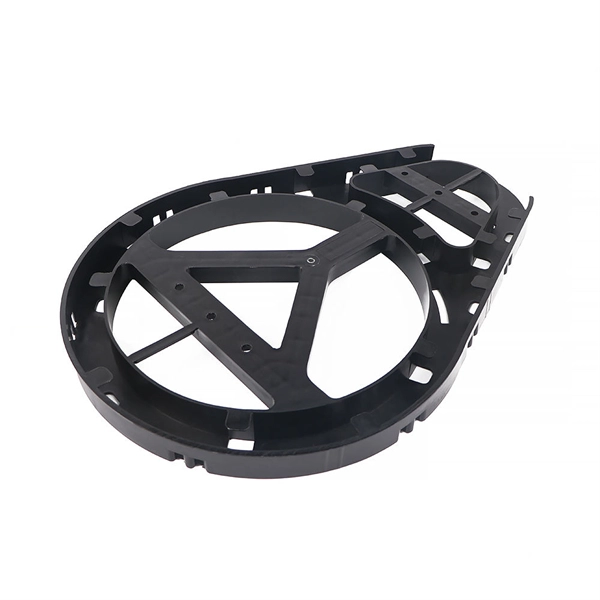
Fiber Optic Issues: Troubleshooting & Prevention TipsSolve common fiber optic network problems—attenuation, damage, connector issues. Learn troubleshooting.
[PDF Version]To identify a broken fiber optic cable, start by performing a visual inspection for any physical signs of damage, such as bends, cracks, or breaks...
There are several methods to test fiber optic cables without a tester. One method is using a visual fault locator (VFL), as mentioned earlier, to v...
Intermittent fiber optic connections can be caused by a variety of factors, including: Poorly terminated connectors or splices that result in unsta...
Optical Component Startup Tracker The number of venture-backed optical component startups has exploded - the Optical Component Start-Up Tracker identifies.
[PDF Version]Optical modules are mainly packaged by optoelectronic devices TOSA/ROSA, functional circuits and optoelectronic interface components. The optical t...
The upstream industry of optical modules mainly includes optical chips, optical components and optical devices, and the downstream industry mainly...
Lorem ipsum dolor sit amet, consectetur adipiscing elit. Ut elit tellus, luctus nec ullamcorper mattis, pulvinar dapibus leo.
3cu-2021 100GBASE-LR1 and IEEE802. 3V supply and within a 0-70 ºC temperature range, it features a 1311nm EML laser and PIN receiver. factor designed for high speed optical networking application. The module converts 10-lane 10. 3Gb/s electrical signal is fully compliant...
[PDF Version]Share the fiber interfaces, termination capacity, cable route and evidence required for handover.