
Katimex Cable Laying And Cable Routing Equipment
Search optical fiber, connectivity, cable management and network infrastructure references.
-
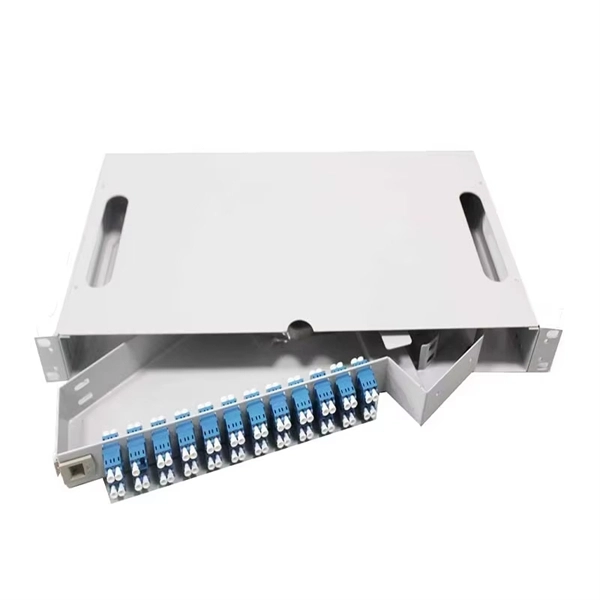
What are the equipment options for fiber optic cable laying
Installation tools include some big hardware like bucket trucks, trenchers, cable pullers or plows. The need for these will be established early in the planning stages. Engineers and. Fiber optic tools are specialized instruments designed for installing, terminating...
-
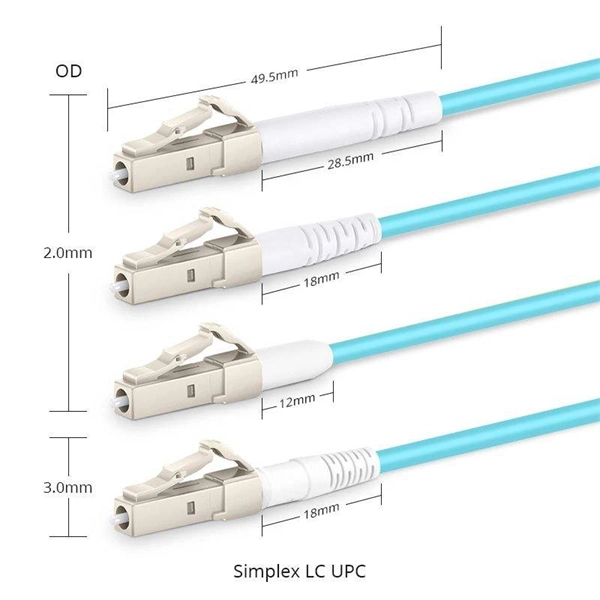
Cable laying and cable routing frame price
Cable Roller Price Discover affordable cable roller prices with durable nylon, aluminum, and steel designs. Ideal for fiber cable laying and power transmis.
[PDF Version]
-

Desktop Fiber Optic Cable Laying Stand
Fiber to the Desk (FTTD) is the practice of using fiber-optic cables to connect computer workstations to the company network instead of copper cables. Although installation costs are higher than coppe.
-
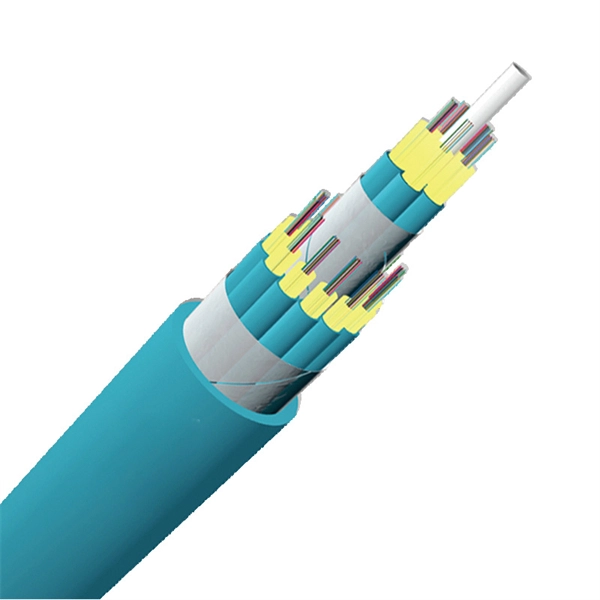
Laying fiber optic cable ducts alongside highways
The document outlines steps like obtaining permissions, excavating trenches, laying ducts, providing additional protection, backfilling trenches, and performing optical tests after installation. Preference will be given for Horiz ntal Directional Drilling (HDD) wherever...
[PDF Version]
-
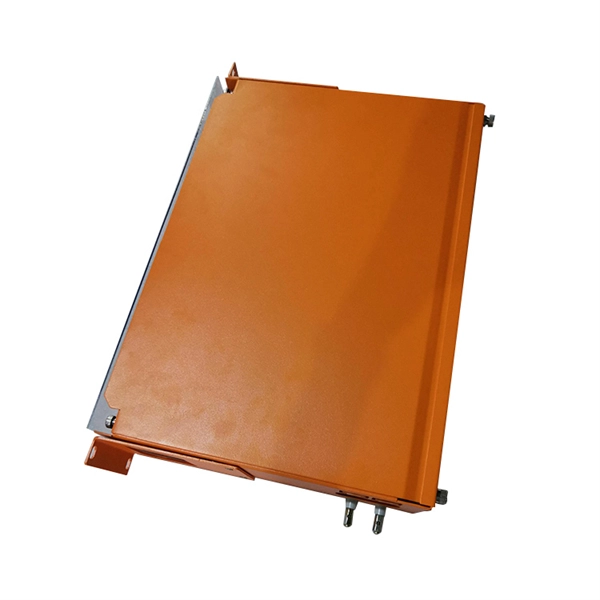
Fiber optic cable equipment and machines
Starting fiber optic cable production requires specific machines: fiber coloring/rewinding, secondary coating line, SZ stranding line, and a sheathing line. Each plays a vital role in creating high-quality, reliable cables for modern communication networks. The portfolio...
[PDF Version]
-
Single-mode fiber to multimode fiber optic cable equipment
Single mode and multimode fiber optic cables are two different types of fiber optic cable aimed at different use cases. Single mode cables are typically made with a single strand of glass at their core, leading to a n.
-
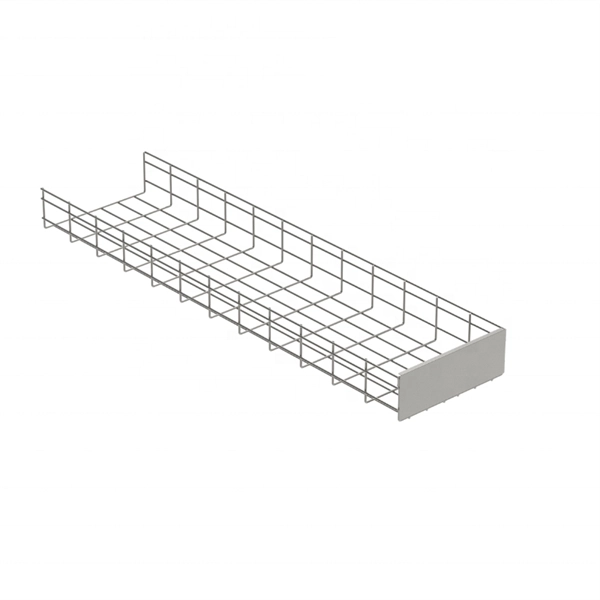
Cable tray pulleys in communication equipment room
Cable tray pulleys are instrumental in organizing these complex wiring systems, ensuring clean routing and protection against interference or damage. They also support scalability, allowing for future upgrades or reconfigurations without major rewiring. These specialized...
[PDF Version]
-
Safety Plan for High-Speed Optical Cable Laying
This guide highlights essential precautions including wearing protective gear, disconnecting power sources, handling fiber scraps carefully, avoiding face or eye contact, following regulatory standards, using adequate lighting, and keeping food or beverages away from work...
[PDF Version]
-
Requirements for fiber optic cable type for entering and exiting the equipment room
Match fiber type and connector style to distance, optics, and density requirements. The ANSI/TIA-568-C standard is a crucial set of guidelines used in designing and installing fiber optic cabling systems for telecommunications and data networks. The charter of the FOA was to...
[PDF Version]
-
Tajikistan Cable Tray Laying Standards
General Practice: Cables within the tray should be laid straight and orderly, avoiding crosses or overlaps, and should not protrude. All bends must be securely fastened. 5 meters, ensuring even and. Cable trays play a vital role in supporting electrical cables and wires in...
[PDF Version]