
Iso Phase Bus Switchgear And Other High Capacitance Loads
Search optical fiber, connectivity, cable management and network infrastructure references.
-
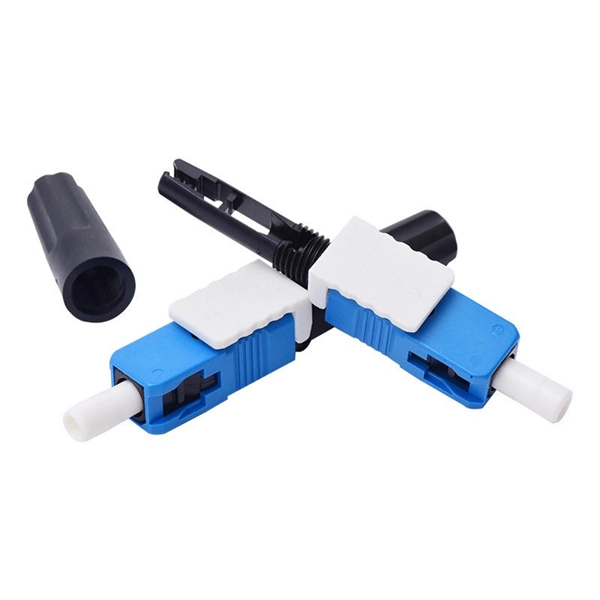
High-voltage switchgear bus voltage fault
High voltage switchgear This article will introduce to you what a high voltage switchgear is and how to judge and deal with the faults in a high voltage sw.
[PDF Version]
-
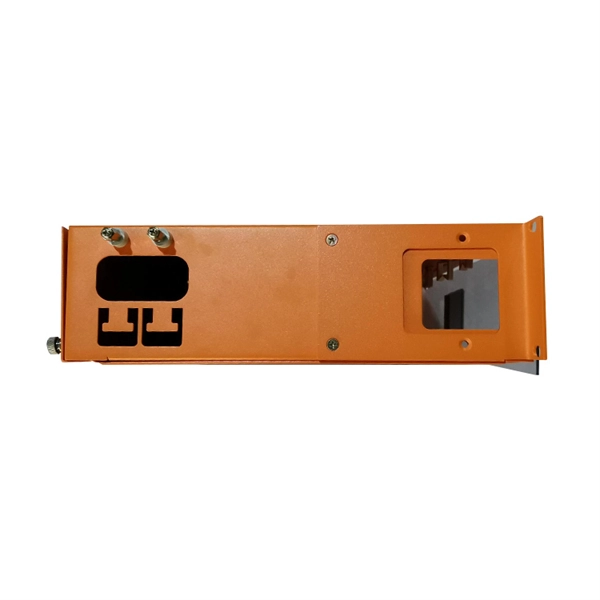
Voltage abnormality on high-voltage bus
This study aims to solve the key issue for electric buses on how to improve the accuracy and reliability of battery fault diagnosis with the emerging intelligence technology on battery management. The battery.
-
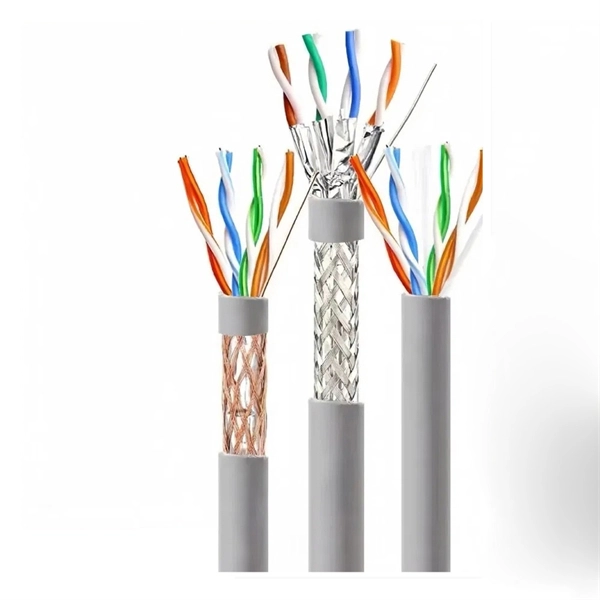
Standard parameters for selecting busbars in high-voltage switchgear
At its core, busbar design must meet stringent industry standards, primarily addressing four key areas: thermal performance, mechanical strength, material selection, and electrical integrity. Busbar design within Medium Voltage (MV) switchgear is a critical aspect...
[PDF Version]
-
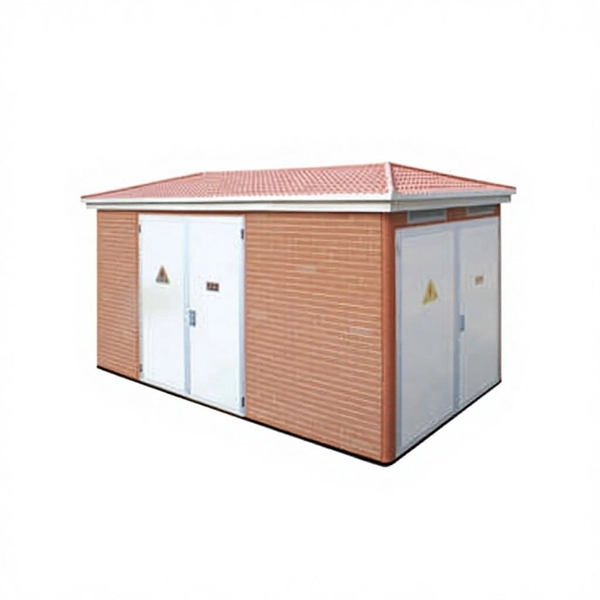
High Voltage Switchgear Busbar Principle
Busbar design in switchgear ensures safe, reliable power distribution by balancing current capacity, thermal performance, mechanical strength, insulation, and standards compliance. A busbar is a metal bar, usually made of copper or aluminum, that carries electricity inside...
[PDF Version]
-
Safe distance between optical cable and phase A conductor
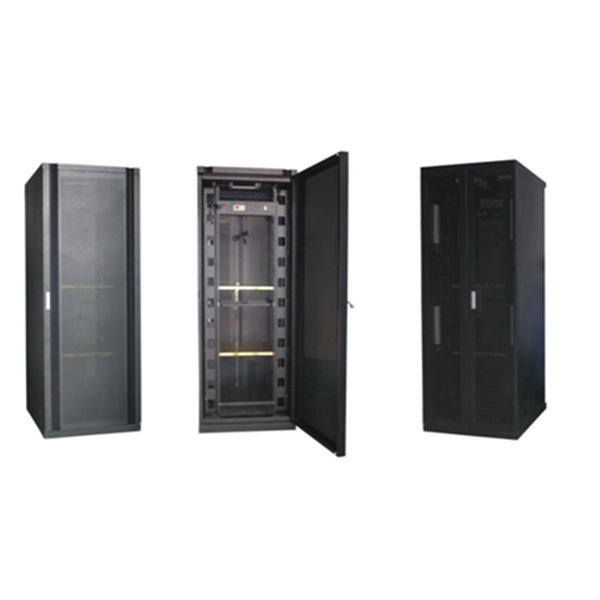
333 (c) (3) requires a minimum distance of 10 feet (3. 05 m) from overhead lines under 50 kV, and an additional 4 inches for every 10 kV over 50 kV. Why is it Important for Electrical Safety? It outlines the safe distance workers must maintain when working near. OSHA 29 CFR...
[PDF Version]
-
Large phase current small busbar
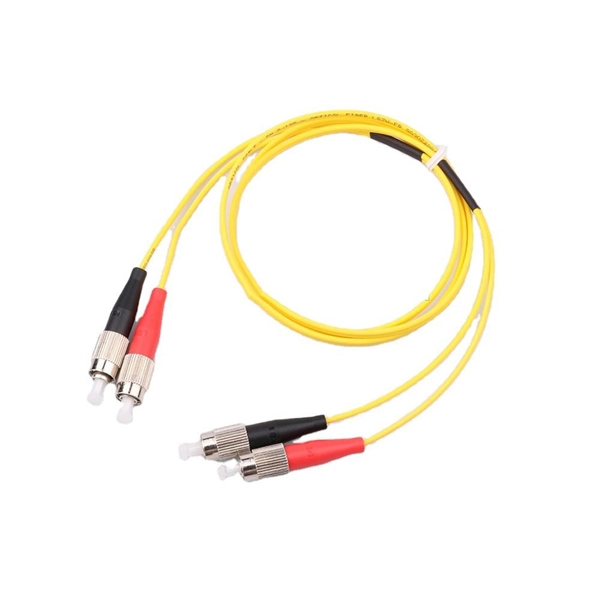
In , a busbar (also bus bar) is a metallic strip or bar, typically housed inside,, and for local high current power distribution, transmission, or switching substations. They are also used to connect high voltage equipment at electrical switchyards, and low-voltage equipment...
-
Busbar of High Voltage Medium-Voltage Switchgear
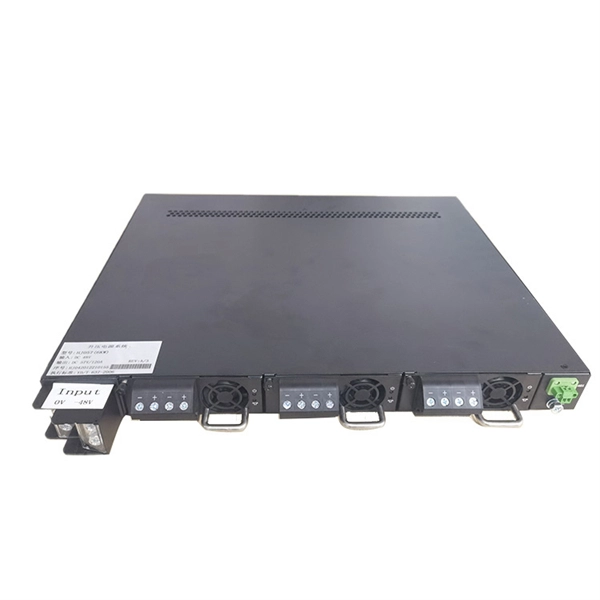
Busbar design in switchgear ensures safe, reliable power distribution by balancing current capacity, thermal performance, mechanical strength, insulation, and standards compliance. A busbar is a metal bar, usually made of copper or aluminum, that carries electricity inside...
[PDF Version]
-
Next-Generation Passive Optical Network Phase
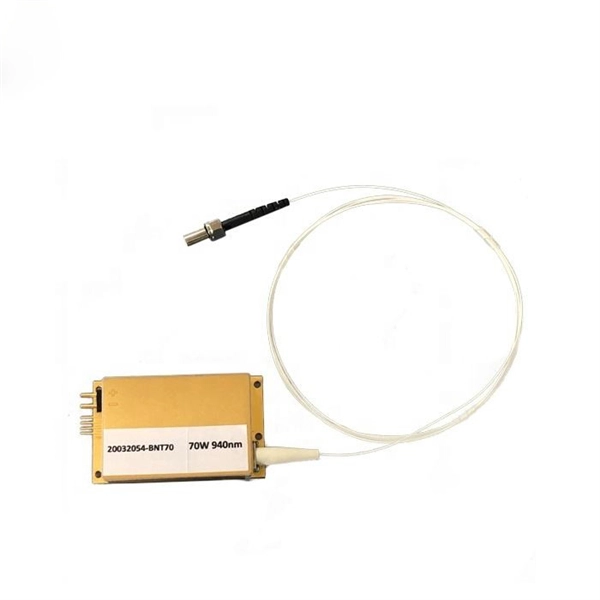
Key Finding: Passive Optical Networks have evolved from first-generation GPON systems delivering 2. 5 Gbps to cutting-edge 50G-PON implementations in 2025, with 100G Coherent PON (CPON) technologies emerging as the next frontier for ultra-high-speed broadband delivery. In...
[PDF Version]
-
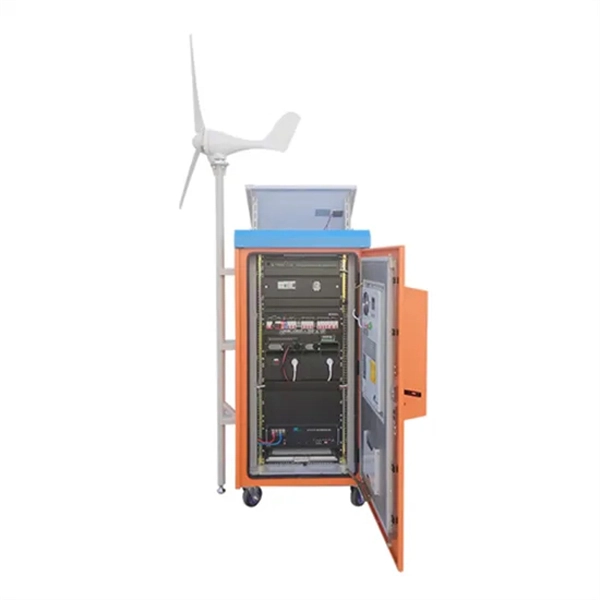
Busbar Cross-section of Low-voltage Switchgear
Accordingly, a busbar cross-section of 1600 mm² (Aluminium) is required based on the thermal rating and short-circuit withstand requirements. In summary, the bus bar is the backbone of the switchboard—its design directly impacts reliability, safety, and performance of the...
-
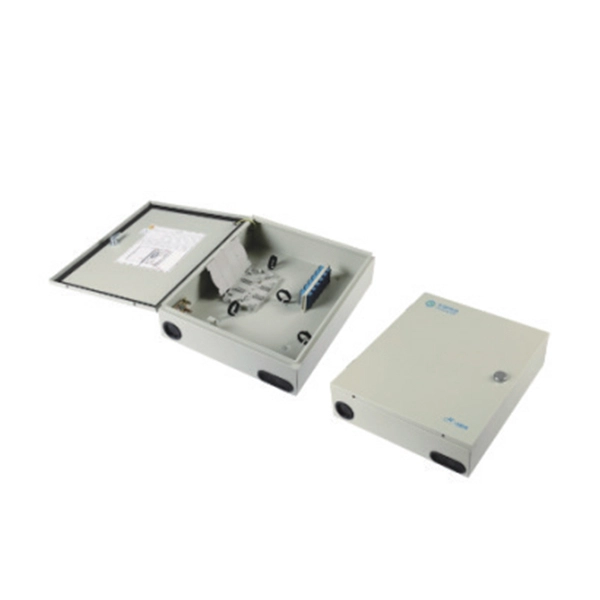
What type of line is the main busbar of the switchgear
Rigid busbars are solid metal bars and are the most common type in switchgear. They are strong, stable, and handle high current well. In electric power distribution, a busbar (also bus bar) is a metallic strip or bar, typically housed inside switchgear, panel boards, and...
More from the technical library
- Working principle of optical cable tie
- FO Fiber Optic Distribution Frame Installation
- Waterproofing requirements for explosion-proof distribution boxes
- How to make cable tray joints
- Should the two sections of the top busbar be disconnected
- The copper busbars in the distribution box have changed color