
What is the fiber optics market growth?
The global fiber optics market is expected to grow at a compound annual growth rate of 6.9% from 2023 to 2030 to reach USD 14.93 billion by 2030. R...
Search optical fiber, connectivity, cable management and network infrastructure references.
The 288 core 17 port dome fiber splice closure with splitter slot is a high-capacity outdoor enclosure designed for fiber splicing, distribution, and signal splitting in OSP and FTTH networks. NG4access ® Cabled Modules available in all module sizes and fiber counts up to 864...
[PDF Version]
Fiber misalignment is a byproduct of the splicing process and can occur with any splice. Intrinsic factors, such as the refractive index of the fiber, are those that are inherent to the fiber itself. High attenuation makes your system not work well. You should fix it fast to...
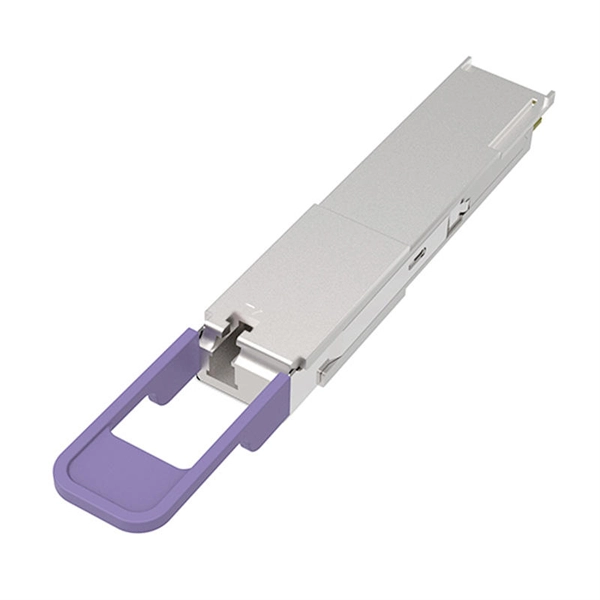
In optical modules, “core” refers to the light-transmitting channel in the fiber. A 1-core module uses a single fiber core for data transmission, while a 2-core module uses two cores. Let's break down these terms in simple, clear language with practical examples. 2-core o In...
[PDF Version]
It can be used as core switch in the fiber backbone which collects 1Gbps fiber optic connections over itself. It is ideal solution for mid-sized networks especially IP camera systems. Different types of SFP modules, multimode & singlemode, single-fiber & dual-fiber can be...
[PDF Version]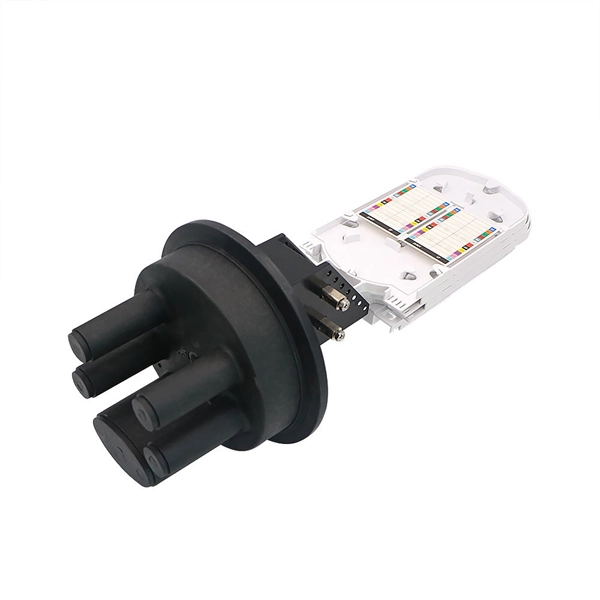
A simple 1-core FTTH drop cable costs around $0. Fiber-optic cable materials typically cost $1 to $6 per linear foot, depending on fiber count and cable type. Commercial building installations with 100-200 network drops generally range from $15,000 to $30,000. This article...
Applying binder yarns with low and constant tension at high speed sets high demands to the quality of the equipment and the binder yarn material. The Fiber Optic Association, Inc. (FOA) was founded in 1995 to help develop the workforce to build the fiber optic networks to...
[PDF Version]
The fiber optic cable market is surging to $32. 5 billion by 2030, driven by data centers, 5G, and IoT. The rise in demand for fiber optic cables is significantly driven by the rollout of 5G networks globally because these high-speed and low-latency networks require a highly...
[PDF Version]The global fiber optics market is expected to grow at a compound annual growth rate of 6.9% from 2023 to 2030 to reach USD 14.93 billion by 2030. R...
Asia Pacific dominated the fiber optics market with a share of 28.8% in 2022. This is attributable to technological advancements and large-scale ad...
Key factors that are driving the market growth include growing demand for high bandwidth communication and growth opportunities in the healthcare s...
Share the fiber interfaces, termination capacity, cable route and evidence required for handover.