
Can I use regular electrical components in my outdoor electrical box?
No, you should only use electrical components that are specifically designed for outdoor use and rated for wet conditions.
Search optical fiber, connectivity, cable management and network infrastructure references.
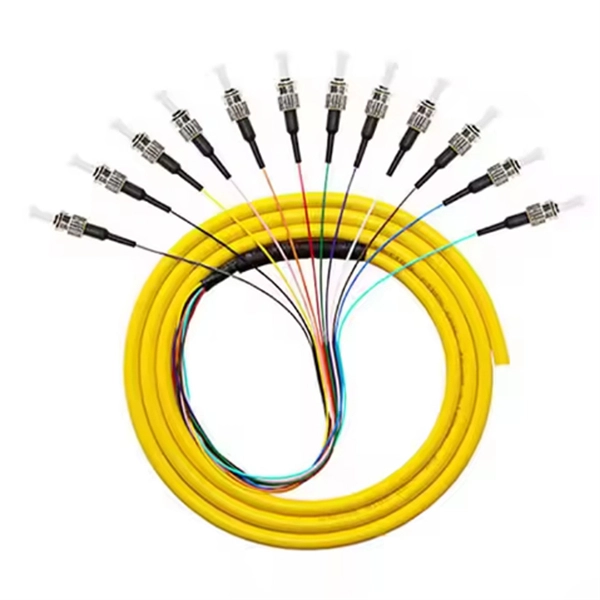
Choosing the right electrical junction box size is crucial for safety and code compliance in your US projects. This guide helps you determine the correct dimensions based on wire fill capacity, device requirements, and installation environment, ensuring a safe and efficient...
[PDF Version]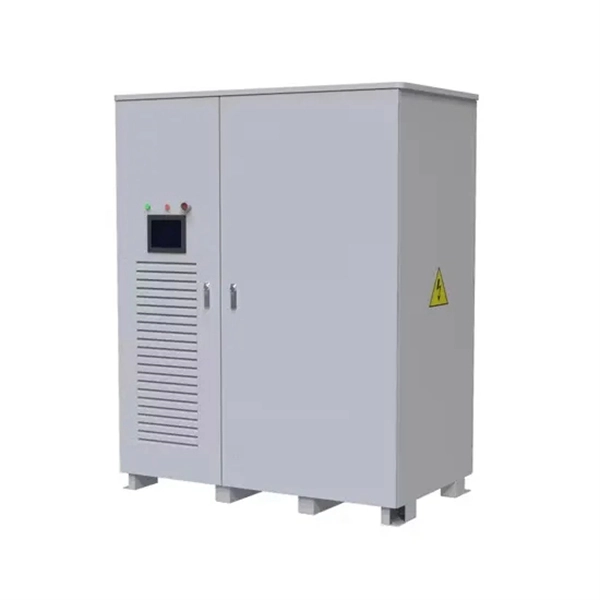
Closed-loop cooling systems are ideal for sealed or more demanding environments. Effective heat management ensures the reliability, performance, and longevity of the components inside the enclosure. Heat Generation Electronic. Learn how conduction, convection, radiation, and...
[PDF Version]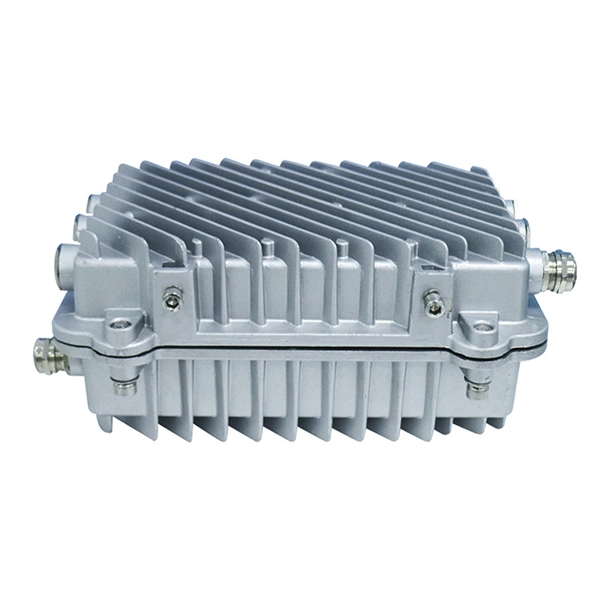
A modern NEC-compliant home typically needs: 2,000 sqft / 3 bed / 2 bath: 18–22 circuits; 2,800 sqft / 4 bed / 3 bath: 24–30 circuits; 3,500+ sqft / 5 bed / 4 bath: 32–42 circuits. Understanding the required quantities for outlets, circuits, and wiring ensures the electrical...
[PDF Version]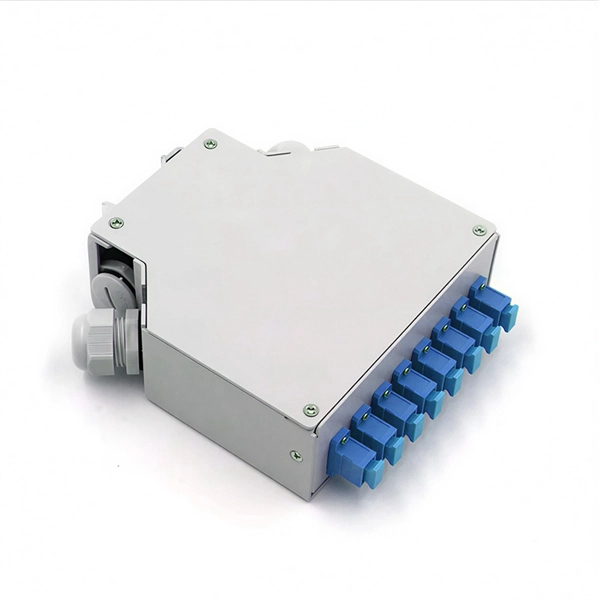
A fiber-optic cable, also known as an optical-fiber cable, is an assembly similar to an electrical cable but containing one or more optical fibers that are used to carry light. The optical fiber elements are typically individually coated with plastic layers and contained in a...
[PDF Version]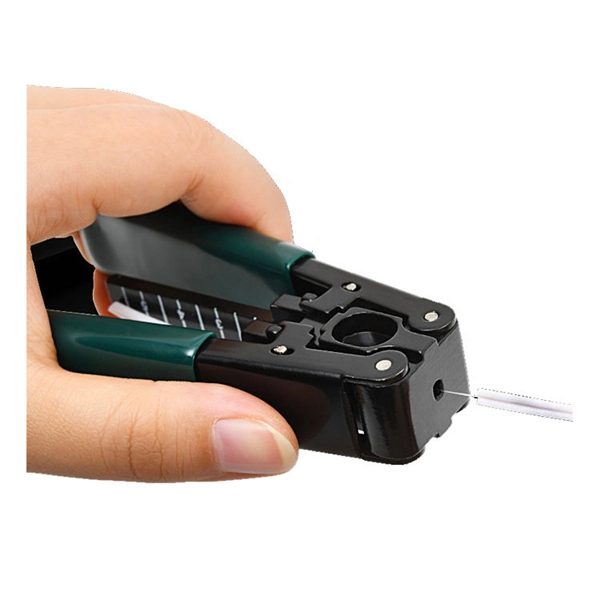
How to keep a waterproof electrical box dry in heavy Choose a waterproof electrical box with a high IP rating, like IP66 or IP67, for reliable protection a.
[PDF Version]No, you should only use electrical components that are specifically designed for outdoor use and rated for wet conditions.
If you notice water in your outdoor electrical box, turn off the power supply and call a licensed electrician to assess the situation and make any...
Although covering your outdoor electrical box during a rainstorm may offer a temporary solution, it is not a long-term solution for waterproofing y...
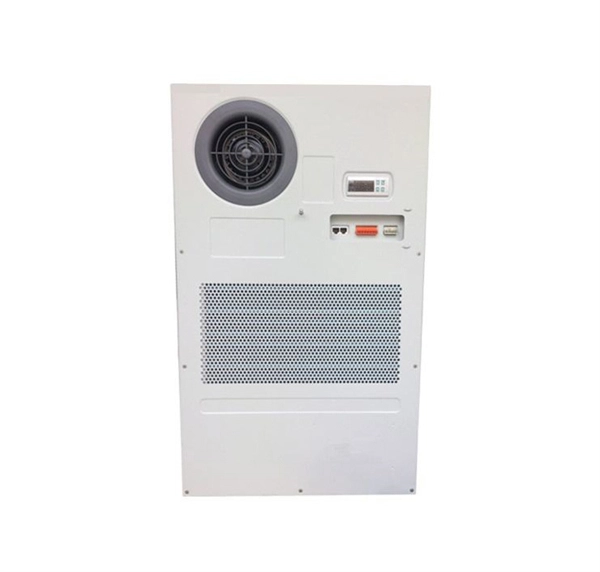
Learn how to professionally wire and organize an electrical distribution board in this step-by-step guide designed for DIY enthusiasts, electricians, and anyone looking to ensure a neat, safe installation. Whether it is residential buildings, commercial facilities or...
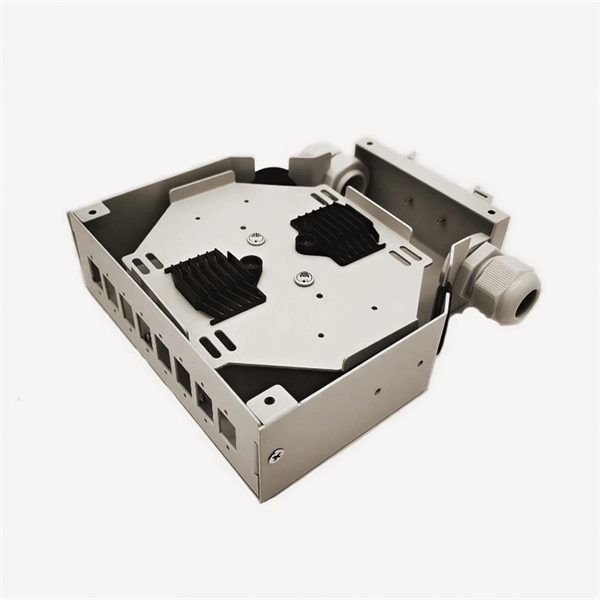
A complete guide to wiring PLC and remote I/O modules for inputs and outputs, whether they are AC, DC, or relay, with either sourcing or sinking operation. Wiring diagram for PLC modules and remote I/O terminals. Understanding how PLC panels work—and how to read wiring...
[PDF Version]
Protective relay training offers an overview of power system protection, relay schemes, digital and electromechanical relays, fault detection, coordination & practical relay settings, ideal for engineers, technicians, or electrical maintenance staff. This course is designed...
[PDF Version]
Go to your router's settings in a web browser, and navigate to the "Home/Wireless network/WLAN" page. Uncheck the option to broadcast the SSID to hide your network. 5/10 Gbps ports and 8 x 1 Gbps ports (These are useful for devices that don't need more than that). Don't...
[PDF Version]
Professional electricians typically follow industry guidelines of 8-10 outlets per 15-amp circuit and 10-13 per 20-amp circuit. Pro Insight: A well-planned distribution box feels like a silent partner—you only notice it when something's wrong. Before we dive into...
[PDF Version]Share the fiber interfaces, termination capacity, cable route and evidence required for handover.