
How To Avoid Damaging Cables During Cable Tray
Search optical fiber, connectivity, cable management and network infrastructure references.
-
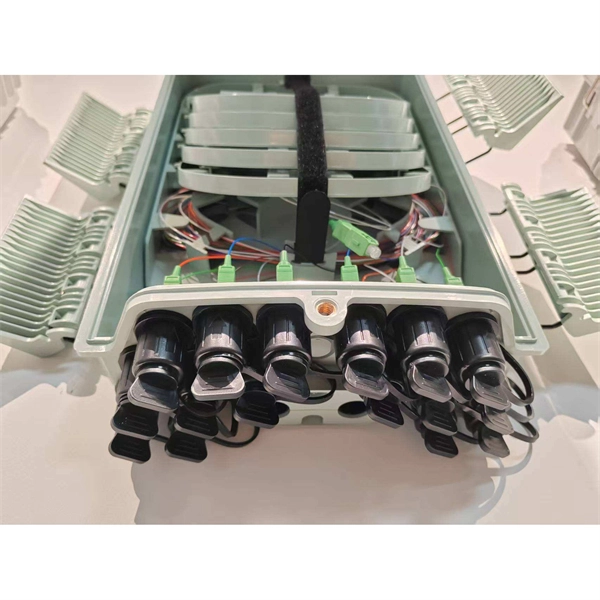
How to make fiber optic lights look good using fiber optic cables
Fiber optic installation techniques, such as using superglue, epoxy, heat shrink tubes, and sanding, are important for attaching lights to fibers and creating unique lighting patterns. To build a homemade fiber optic lamp, gather fiber optic cables, a light source like LED or...
[PDF Version]
-
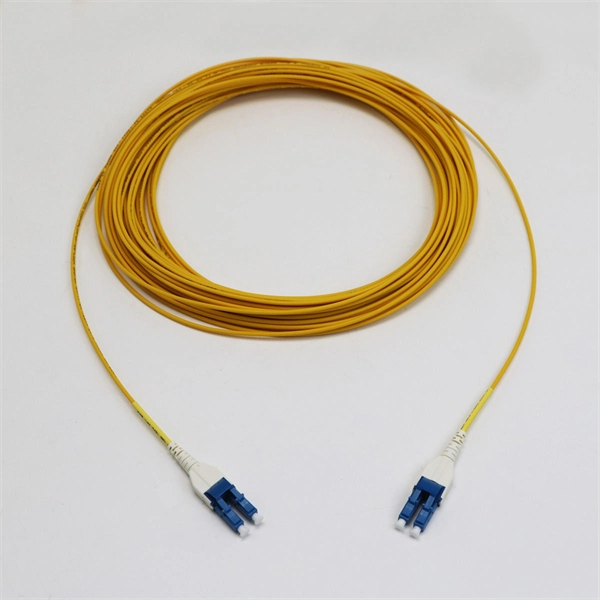
How many gigabit speeds can multimode fiber optic cables achieve
Multi-mode optical fiber is a type of mostly used for communication over short distances, such as within a building or on a campus. Multi-mode links can be used for data rates up to 800 Gbit/s. Multi-mode fiber has a fairly large core diameter that enables multiple light to...
-

How to handle excessively long optical cables by slotting them
Spools manage excess cable length by rolling cables onto them, avoiding messy tangles and ensuring consistent tension. These keep cables bundled without over-tightening. Improper handling can lead to flawed connections. How safe, efficient and organized is your fiber optic...
[PDF Version]
-
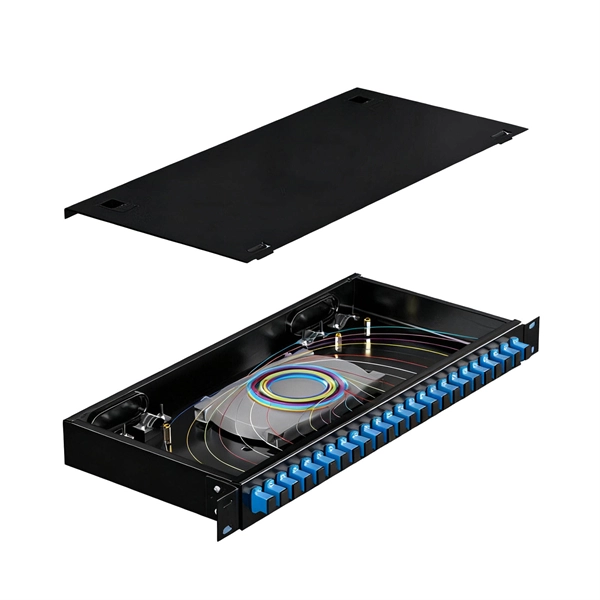
How to peel and splice armored optical cables
This guide provides a complete installation process for armored fiber optic cords, explaining each step from routing and pulling to stripping, cleaning, and testing. It also highlights key differences from standard fiber cables and important precautions to ensure safety and...
-

How are trunk optical cables divided
Optical cables are exported from the central room using large-core cables, and then split into multiple small-core cables using optical joint closure; of course, if an optical cable has too many divergence points, it will affect the life and transmission indicators of the...
[PDF Version]
-

Are fiber optic cables just like electrical wires How do you connect them
A fiber-optic cable, also known as an optical-fiber cable, is an assembly similar to an electrical cable but containing one or more optical fibers that are used to carry light. The optical fiber elements are typically individually coated with plastic layers and contained in a...
[PDF Version]
-
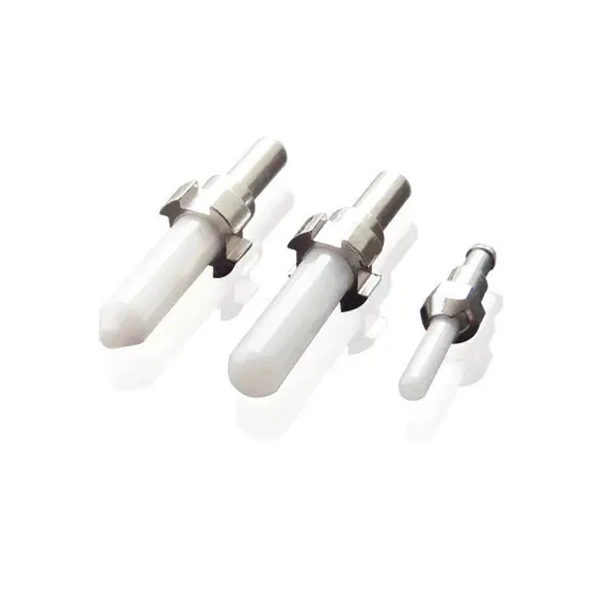
How to turn one optical fiber into two optical cables
Learn how to splice fiber optic cable using fusion splicing with this complete step-by-step guide. Includes tools, best practices, loss standards (ITU-T G. 652), cost analysis, and FAQs for network engineers and installers. Splitters come in various configurations, such as...
[PDF Version]
-

How to install fiber optic cables in the wild
Plan your outdoor fiber installation carefully by surveying the site, choosing the right cable type, and following FOA and OSP standards to ensure reliability. Select the best installation method—direct burial, aerial, conduit, or underwater—based on your environment and...
[PDF Version]
-

How to protect fiber optic cables after splicing
Fiber optic splice closures keep your network safe from water, dirt, and harm. Pick strong materials and tight seals to keep signals clear. The objective is to create a continuous optical path with minimal signal disruption. Unlike connectorized interfaces, fusion splices are...
[PDF Version]
-

How to connect multiple optical cables into a fiber optic spool
Learn how to splice fiber optic cable using fusion splicing with this complete step-by-step guide. Includes tools, best practices, loss standards (ITU-T G. 652), cost analysis, and FAQs for network engineers and installers. Ensure Your Splicing Tools are Clean – #2. Through...
More from the technical library
- Prices of common electrical distribution boxes in Democratic Republic of Congo
- Various Pigtail Types and Applications
- Correct installation of photovoltaic combiner box
- How many pigtails are in one optical fiber
- How to distinguish between single-fiber bidirectional transceivers
- Standard Configuration List for Distribution Boxes