
How Does A Beam Splitter Work
Search optical fiber, connectivity, cable management and network infrastructure references.
-
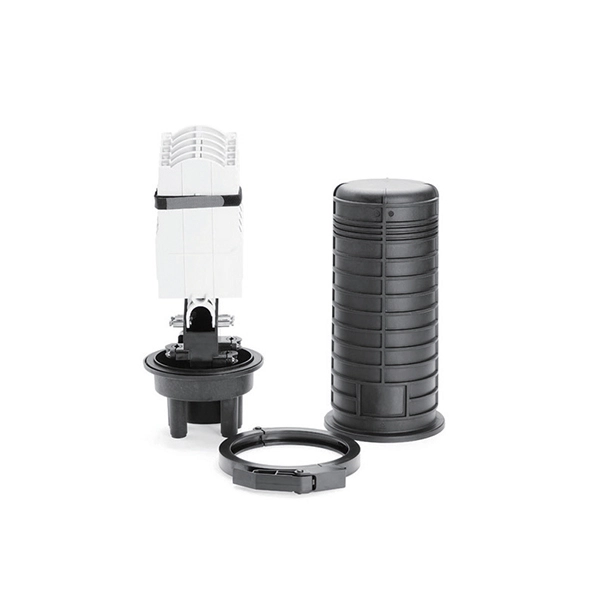
How many beams can a tapered beam splitter separate
Beamsplitters separate incident light into two or more beams of the same wavelength. These exiting beams are differentiated by either their optical power (non-polarizing) or polarization states (polarizing). It is a crucial part of many optical experimental and measurement...
-
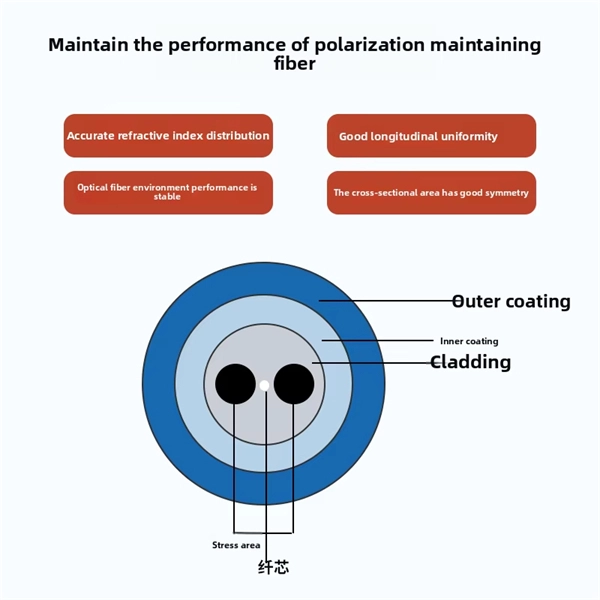
How much reflection loss is considered high for a beam splitter
In its most common form, a cube, a beam splitter is made from two triangular glass which are glued together at their base using polyester,, or urethane-based adhesives. (Before these synthetic, natural ones were used, e.g.) The thickness of the resin layer is adjusted such...
-
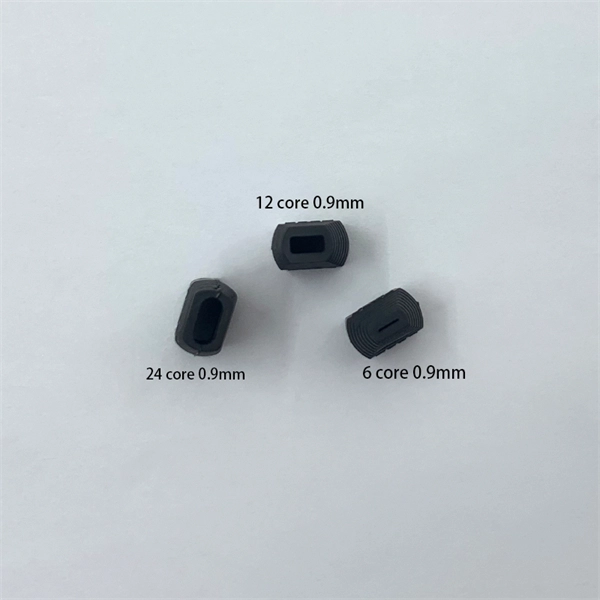
How to connect the beam splitter
A beam splitter or beamsplitter is an that splits a beam of into a transmitted and a reflected beam. It is a crucial part of many optical experimental and measurement systems, such as, also finding widespread application in.
-
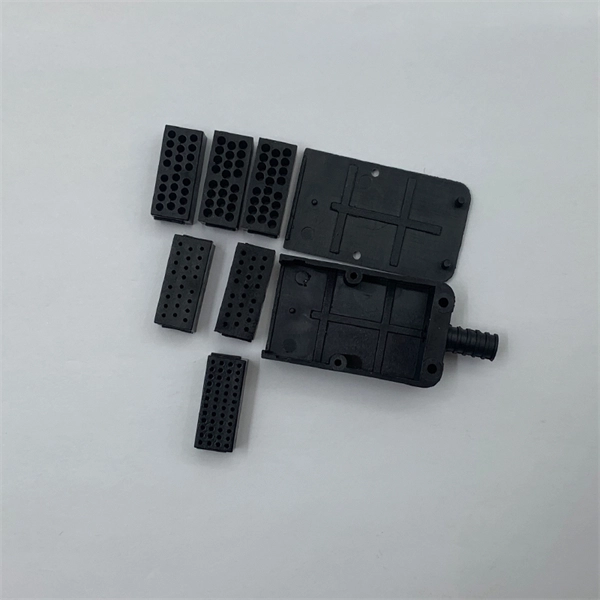
How to find the signal source of the beam splitter
Infrared Spectroscopy: Beam Splitters and Detector Physics ExplainedTwo components really drive this process: the beam splitter and the detector. The beam.
[PDF Version]
-
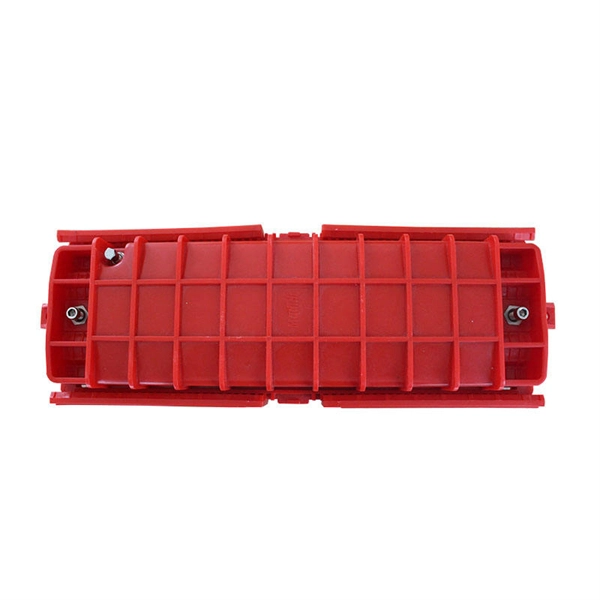
How is the insert-type Huijue beam splitter
A beam splitter or beamsplitter is an that splits a beam of into a transmitted and a reflected beam. It is a crucial part of many optical experimental and measurement systems, such as, also finding widespread application in.
[PDF Version]
-

Both ends of the beam splitter
Beam splitters in PON networks are often made with single-mode optical fiber, by exploiting evanescent wave coupling between a pair of fibers to share the beam between them. The splitter is constructed by fusing together the two parallel bare fibers at one point. OverviewA...
[PDF Version]
-
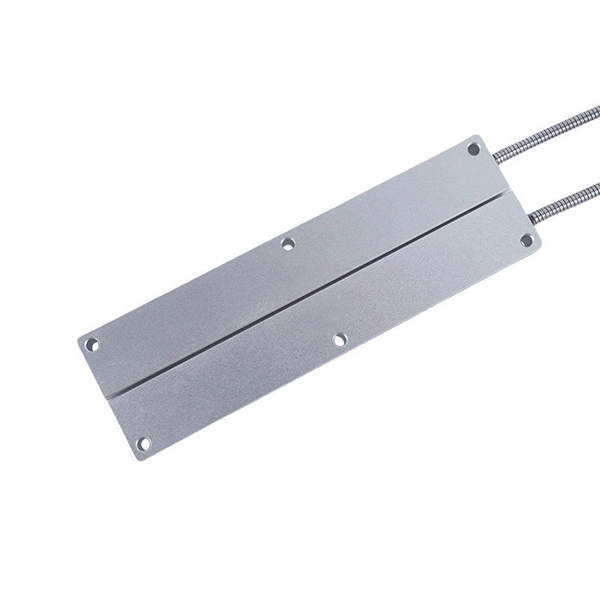
Construction Principle of Passive Beam Splitter
In its most common form, a cube, a beam splitter is made from two triangular glass prisms which are glued together at their base using polyester, epoxy, or urethane-based adhesives. (Before these synthetic resins, natural ones were used, e.g. Canada balsam.) The thickness of...
[PDF Version]