
How Does A Beam Splitter Work Types Principles And Applications
Search optical fiber, connectivity, cable management and network infrastructure references.
-
How many beams can a tapered beam splitter separate
Beamsplitters separate incident light into two or more beams of the same wavelength. These exiting beams are differentiated by either their optical power (non-polarizing) or polarization states (polarizing). It is a crucial part of many optical experimental and measurement...
-
How much reflection loss is considered high for a beam splitter
In its most common form, a cube, a beam splitter is made from two triangular glass which are glued together at their base using polyester,, or urethane-based adhesives. (Before these synthetic, natural ones were used, e.g.) The thickness of the resin layer is adjusted such...
-
How to connect the beam splitter
A beam splitter or beamsplitter is an that splits a beam of into a transmitted and a reflected beam. It is a crucial part of many optical experimental and measurement systems, such as, also finding widespread application in.
-
How to find the signal source of the beam splitter
Infrared Spectroscopy: Beam Splitters and Detector Physics ExplainedTwo components really drive this process: the beam splitter and the detector. The beam.
[PDF Version]
-

How is the insert-type Huijue beam splitter
A beam splitter or beamsplitter is an that splits a beam of into a transmitted and a reflected beam. It is a crucial part of many optical experimental and measurement systems, such as, also finding widespread application in.
[PDF Version]
-
How are electromagnetic sensors classified into photoelectric types
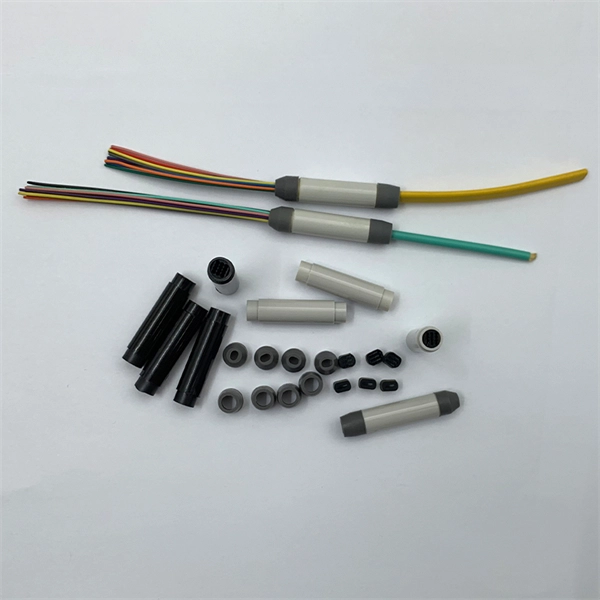
With multiple types available—Through-beam, Diffuse-reflective, Retro-reflective, Distance-settable, and Limited-reflective—they can be selected based on the application requirements such as distance, object type, environmental conditions, and detection accuracy...
[PDF Version]
-

Both ends of the beam splitter
Beam splitters in PON networks are often made with single-mode optical fiber, by exploiting evanescent wave coupling between a pair of fibers to share the beam between them. The splitter is constructed by fusing together the two parallel bare fibers at one point. OverviewA...
[PDF Version]
-
Construction Principle of Passive Beam Splitter
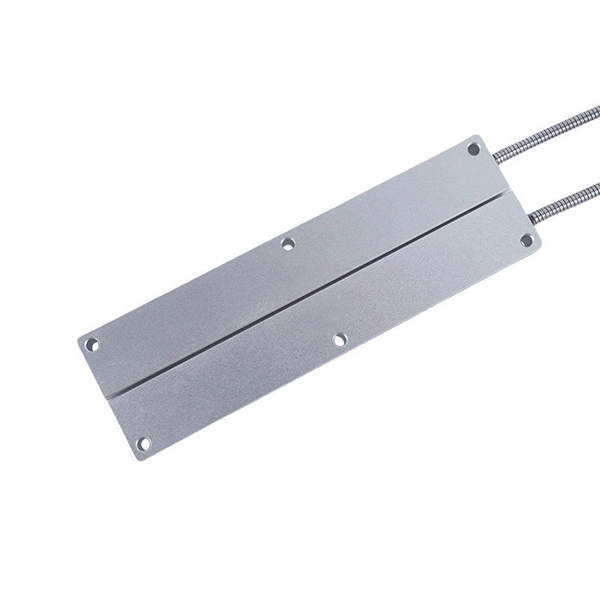
In its most common form, a cube, a beam splitter is made from two triangular glass prisms which are glued together at their base using polyester, epoxy, or urethane-based adhesives. (Before these synthetic resins, natural ones were used, e.g. Canada balsam.) The thickness of...
[PDF Version]
-
Does the 7615 need a beam splitter
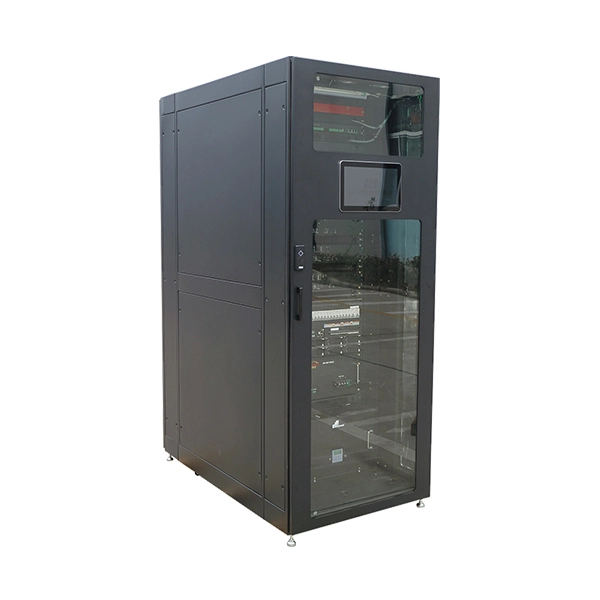
A beam splitter or beamsplitter is an that splits a beam of into a transmitted and a reflected beam. It is a crucial part of many optical experimental and measurement systems, such as, also finding widespread application in.
-
Zero-2 beam splitter
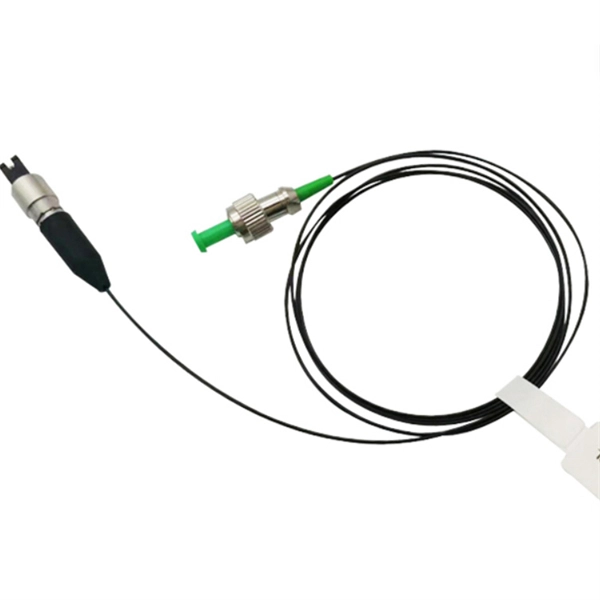
In quantum mechanics, the electric fields are operators as explained by and. Each electrical field operator can further be expressed in terms of representing the wave behavior and amplitude operators, which are typically represented by the dimensionless. In this theory, the...