
Guide Cable Trays Technical
Search optical fiber, connectivity, cable management and network infrastructure references.
-
Complete Guide to Cutting Parallel Bends in Cable Trays
In the Oglaend System Cutting Guideline you can easily find out what the optimal cutting lengths/intervals are for all modular products. Oglaend System manufacture and deliver Multidiscipline modular bolted support systems, cable trays, cable ladders and accessories for...
[PDF Version]
-
Technical Challenges of Cable Trays
This guide discusses common cable tray problems, from loosening and corrosion to grounding issues and installation errors, along with strategies for prevention and resolution. Understanding the root causes of cable tray failures is the first step toward ensuring system...
[PDF Version]
-
Does the underground trench need to have cable trays laid
Tray cables can be buried underground, but only if they are specifically designed and rated for direct burial. Not all tray cables are suitable for underground installation, and using the wrong cable type or installation practice can cause premature cable failure, safety...
[PDF Version]
-
Do electrical cable trays use sleeves when passing through walls
A cable tray wall penetration sleeve is a protective component used to route cable trays through walls, ensuring a safe and secure pathway for cables. Where cables pass through shafts, walls, slabs, or enter electrical panels or cabinets, openings shall be tightly sealed with...
-
Where can I find cable trays for Western Europe in Singapore
Browse our range of electrical cable management trays of all sizes & types in Singapore. Explore a wide range of cable trays from Ferrograte, including perforated, ladder, FRP, and wiremesh trays—ideal for efficient cable management systems. Our commitment extends beyond just...
[PDF Version]
-
Is it safe to run low-voltage sockets through cable trays
Where cable tray systems contain only signal and communication circuits that operate at low energy levels, power grounding per NEC Section 318-7 is not appropriate, but cable tray grounding for lightning protection, noise, and electromagnetic interference is necessary. If not...
[PDF Version]
-
Drilling holes in cable trays and binding cables
Drill the drill holes with ∅ ≥ 7 mm in the tray rail and tray base. Prior to starting the installation check the work area to ensure that the area is a safe working area and that enough manufacturer's materials are available at site. But just as important as the hole itself...
[PDF Version]
-
Fiberglass cable trays Price and service first
Fiberglass cable trays, favored for harsh industrial environments, carry the highest material costs at $20-40+ per foot. A fiberglass cable tray is a vital component in modern electrical and telecommunications infrastructure, providing a durable, non-conductive, and...
[PDF Version]
-
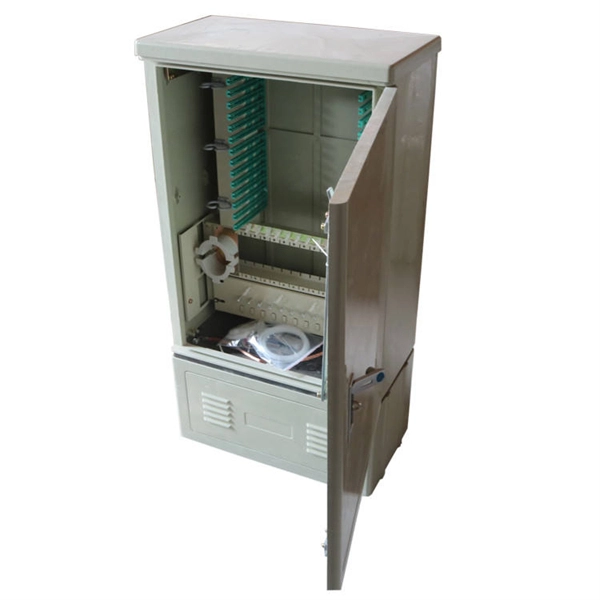
Which is easier to install cable trays or cables
With a cable tray, it's much easier. This flexibility is a lifesaver for data centres or factories that change their setup often. Installation is another key difference. Cable ducts are easy to install in. Choosing the right cable management system is crucial for safe...
[PDF Version]
More from the technical library
- Detailed Analysis of Optical Cable Layering
- Wiring of Equipment Control Distribution Box
- Flowchart of Optical Cable Splicing Process
- Double-row server rack cold aisle
- Case Study of Seismic Supports for Cable Trays in the Middle East
- Standard Requirements for Color Coding of Wiring in Distribution Boxes
- All-optical port i-fiber optic switch