
Fiber infrastructure reference
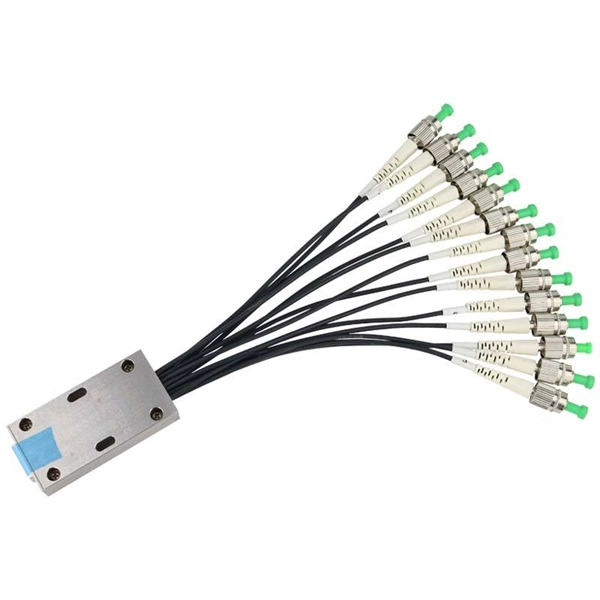
Comprehensive Guide to Optical Splitters
An optical splitter is a crucial passive fiber optic device that splits and combines optical signals. It can distribute the optical energy transmitted through a single fiber to two or more fibers in a
Optical Splitters Demystified: The Silent Heroes
It relies on active equipment at both ends of the fiber link: the Optical Line Terminal (OLT) at the provider''s central office and an Optical Network Unit
Optical Splitters: Split Ratios, Splitting Architectures & PON Network
By dividing a single optical signal from a central Optical Line Terminal (OLT) into multiple outputs for Optical Network Terminals (ONTs) at users'' homes, splitters eliminate the need for
Introduction to Passive Optical Network Splitter Architectures
Where splitters are placed in the network can make significant impacts on fiber counts, network cost and deployment time and operational steps, such as customer onboarding and maintenance.
Fiber Splitters The Role And Application Guide
Fiber splitters can effectively split optical signals into several signals of equal proportions and distribute them to different user terminals, thereby
Detailed Explanation Of Fiber Splitters: Working Principle And
Fiber splitters can effectively split optical signals into several signals of equal proportions and distribute them to different user terminals, thereby realizing the function of multiple users sharing
What is Fiber Optic Splitter and Types
Fiber optic splitter is a passive optical device used to distribute optical signals, which can divide input optical signals into multiple outputs to
Fiber-optic splitter
Both fibers, at the same time, are stretched under a heating zone thus forming a double cone. This special waveguide structure allows control of the splitting ratio via controlling length of the fiber
Fiber Optic Splitter Working Principle: An Overview
The working principle of fiber splitters involves the redistribution of optical power between the output fibers, ensuring an equal division of the signal
The Working Principle and Application Scenarios of
Explore the working principle of fiber optic splitters, their types, and real-world application scenarios in PON networks, FTTH, and more (1).
The Working Principle and Application Scenarios of
The Working Principle of Fiber Optic Splitters The working principle of fiber optic splitters is based on optical coupling and splitting . When a light
What is Fiber Optical Splitter?Which Parameters Affect Its Function
The greater the return loss, the better, to reduce the impact of reflected light on the light source and system. In addition, uniformity, directivity, PDL polarization loss, etc. are also parameters that affect
Fiber Optic Couplers Information
Fiber optic couplers are optical devices that connect three or more fiber ends, dividing one input between two or more outputs, or combining two or more inputs
Understanding Fiber Splitters: The Backbone of Fiber
A fiber splitter, also known as a beam splitter, is a passive optical device that splits an optical signal into multiple signals. It is a crucial component
Fiber Splitter: the crossroads of fiber optic networks
As one of the key components in fiber optic networks, cs plays a vital role. This article will help you understand the working principle, application
FIBERONE: Fiber Optic Splitter Overview | 2026
How does a fiber optic splitter work? Fiber optic splitters are passive devices. This means that they don''t generate power or require power to function – nor do they
The Vital Role of Optical Splitters in Fiber Optic Networks
Furthermore, optical splitters contribute to the scalability of fiber optic networks by enabling the flexible expansion of network capacity to accommodate growing
Introduction to Fiber Optic Splitters: A Comprehensive
A fiber optic splitter is a device that divides fiber optic light into many portions according to a specified ratio. This article explains in detail about the same.
Related Video Reference
This video was associated with the source search result. Verify technical details against current product documentation and project requirements.