
Fiber infrastructure reference
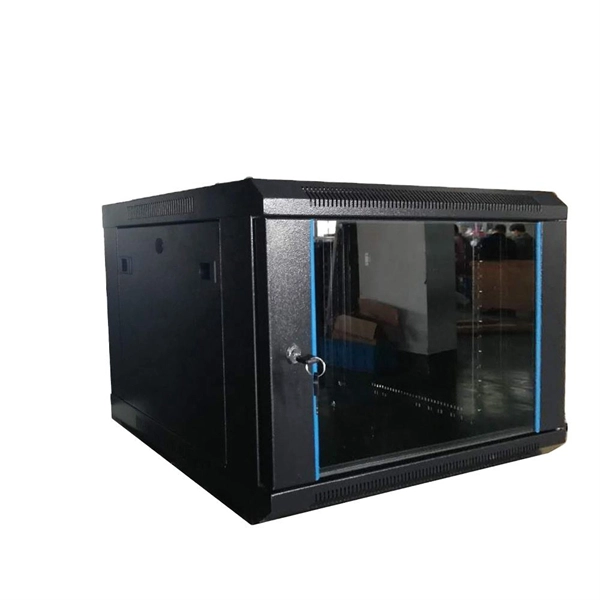
Control Cabinet – How to Design Structures?
Learn how to design control cabinets resistant to harsh industrial conditions, compliant with standards, and safe to operate.
Key Standards for Electrical Cabinet Wiring Practices
Discover the key standards for industrial electrical cabinet wiring, including wiring diagrams, circuit breakers, and safety practices with Groupe BEI.
Control Panel Wiring Standards: How to Build a
Learn professional control panel wiring standards, including cabinet layout, grounding rules, wiring principles, common mistakes, EMI prevention,
Keep up with IEC control cabinet standards
Discover key changes in IEC 60204-1 Edition 6 and how updated requirements for machine electrical equipment impact the design, safety, and compliance of control cabinets in modern industrial
Electrical Cabinet Installation & Safety Standards for OEM Projects
The next sections will explore the main types of electrical cabinets, pre-installation requirements, and best practices for safe and effective installation. Readers will learn how to select
Guide to PLC Cabinets: Types, Layout, Wiring & Components
Learn the essentials of designing and wiring PLC control cabinets, including component selection, cooling, wiring tips, and safety standards.
Cabinet design and EMC
For detailed configuration instructions regarding the EMC-compliant design of drives and control cabinet configuration, refer to the "SINAMICS Low Voltage Configuration Manual".
How to organize wiring in control cabinets?
Proper organization of wiring in control cabinets is essential for the reliability, safety, and ease of maintenance of automation systems. This article discusses the key principles of planning,
Electrical Design & Control Cabinet Construction | IFA
We offer comprehensive services from planning and procurement of components to switch cabinet construction, in accordance with the latest standards and norms. Electrical design is crucial for the
CONTROL CABINET WIRING
The triple rating of BS6231 (UK), CSA TEW (Canada) and UL style 1015, 1028 or 1283 (America) makes it acceptable across many markets, for applications including high voltage wiring within electrical
Industrial cabinets have specific requirements | Control
Industrial electrical enclosures require a variety of considerations when designing and implementing them. Let''s delve into safety and compliance. You might argue
Wire control panel
How should you wire a control panel in accordance with UL 508A? The regulations in the North American control panel standard UL 508A cover every single area of a control panel —up to and
Reference Manual Control Panels compliant with IEC Standards and
Standards are used by product manufacturers as a guide for analyzing risks and meeting basic requirements. The list of applicable harmonized standards is published with the Official Journal for
Industrial Automation Wiring and Grounding Guidelines
Purpose This publication gives you general guidelines for installing an Allen-Bradley industrial automation system that may include programmable controllers, industrial computers, operator
Practical Guide to Electrical Enclosures for Industrial Appications
Factories, plants and facilities often experience relatively warm ambient temperatures, and many of the electrical components housed in the control enclosure generate heat, so many enclosures require
Industrial control wiring and cabling guide
Wires and preparation for control wiring Electrical equipment uses a wide variety of wire and cable types and it is up to us to be able to correctly identify and use the wires which have been
Industrial Control Panel Design Guide: Schematics,
Industrial control panel design requires careful consideration of schematics, regulatory standards, and environmental factors to ensure safety,
Control Panel Layout And Wiring Best Practices
The quality of the wiring methods used in an industrial control panel can vary quite widely. This article summarizes what this author believes are some best practice when it comes to control panel layout
Related Video Reference
This video was associated with the source search result. Verify technical details against current product documentation and project requirements.