
How can one identify a broken fiber optic cable?
To identify a broken fiber optic cable, start by performing a visual inspection for any physical signs of damage, such as bends, cracks, or breaks...
Search optical fiber, connectivity, cable management and network infrastructure references.
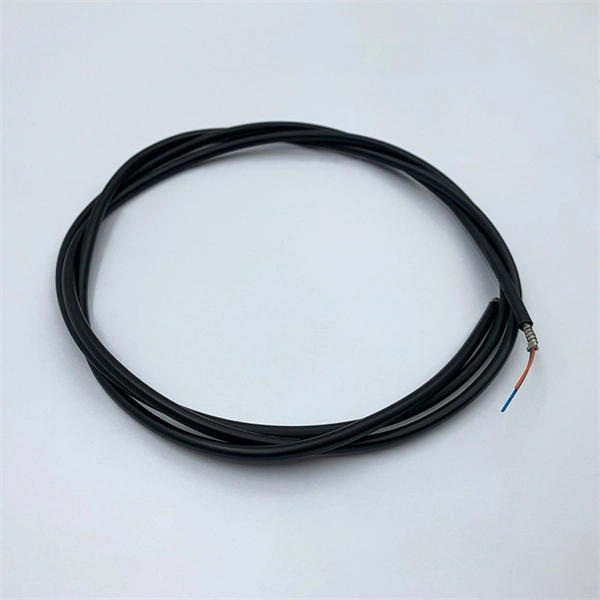
Check for signs of corrosion or rust. Inspect for any physical damage to the enclosure. Ensure that all labels and warning signs are legible. Forget cookie-cutter checklists – we're talking about the real, practical inspection points that determine whether a distribution box...
[PDF Version]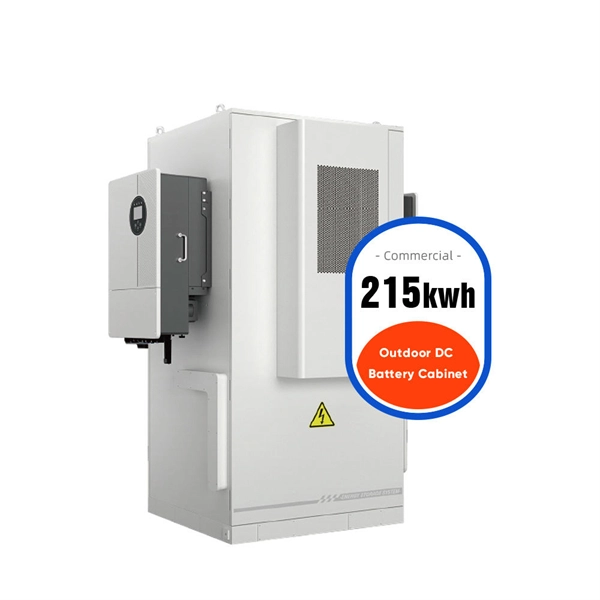
FTTR uses a main light cat and multiple slave light cats for indoor WiFi coverage. Huawei's fiber to the room (FTTR) solution extends fibers to rooms and provides various gigabit Wi-Fi 6 master/slave FTTR units, all-optical components, and optical cable construction tools...
[PDF Version]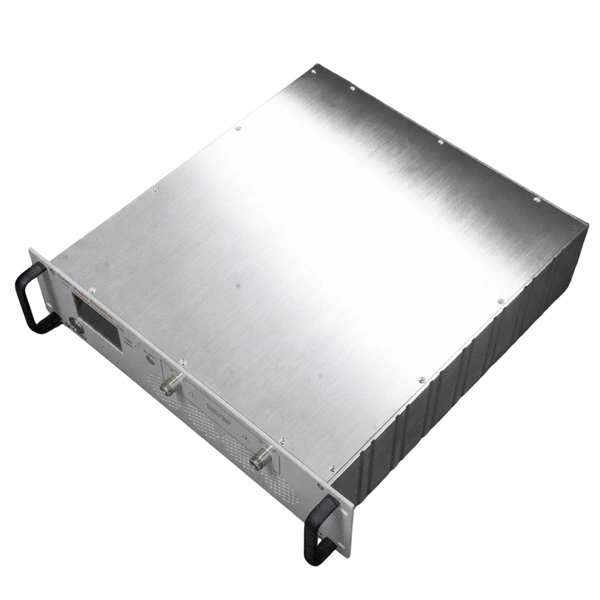
Normal WDM (sometimes called BWDM) uses the two normal wavelengths 1310 and 1550 nm on one fiber. Dense WDM (DWDM) uses the C-Band (1530 nm-1565 nm) transmission window but with denser channel. In fiber-optic communications, wavelength-division multiplexing (WDM) is a...
[PDF Version]
Fiber Optic Issues: Troubleshooting & Prevention TipsSolve common fiber optic network problems—attenuation, damage, connector issues. Learn troubleshooting.
[PDF Version]To identify a broken fiber optic cable, start by performing a visual inspection for any physical signs of damage, such as bends, cracks, or breaks...
There are several methods to test fiber optic cables without a tester. One method is using a visual fault locator (VFL), as mentioned earlier, to v...
Intermittent fiber optic connections can be caused by a variety of factors, including: Poorly terminated connectors or splices that result in unsta...
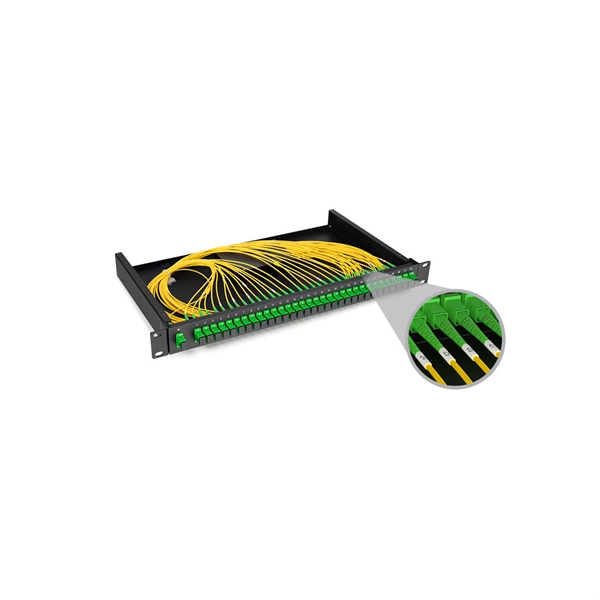
AI supercomputing servers differ significantly from traditional servers in hardware architecture, computing power, and application scenarios, which directly affect their technical implementation and business value. Let's explore the more specific differences in the following...
[PDF Version]
- FTTH (Fiber to the Home): This refers to single mode fiber optic cables directly connecting residential buildings to high-speed internet services. TOSLINK – Optical Audio. Fast FTTH and backbone network deployment plans look great in PowerPoint—until your “locked-in” budget...
[PDF Version]
Designing an effective layout for a plastic distribution box requires careful consideration of electrical requirements, safety standards, and practical installation needs. Safety and Reliability – Whether it's a power plant, manufacturing plant, mine, or subway system...
[PDF Version]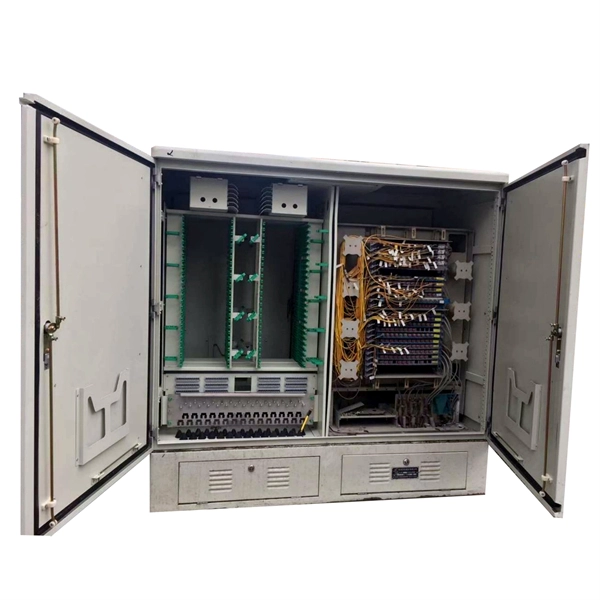
Single-Mode Laser Diodes: Emit a single wavelength of light, ideal for high-precision tasks. The anode connection on the right has been accidentally broken by the case cut process. A laser diode (LD, also injection laser diode or ILD or semiconductor laser or diode laser) is...
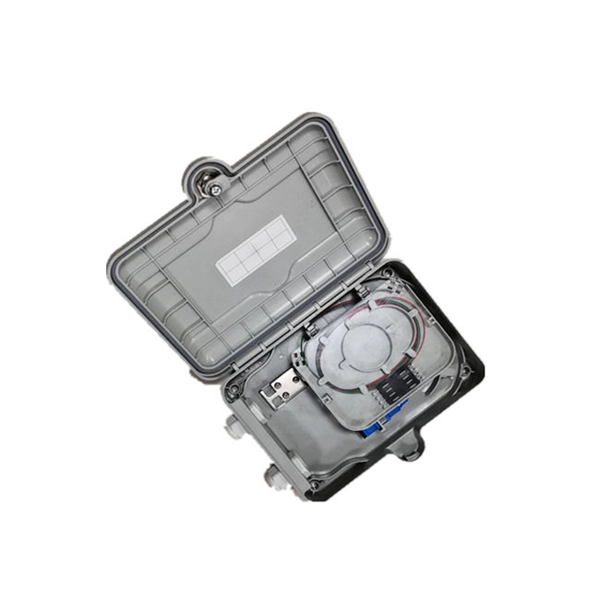
A practical, engineer-friendly guide to choosing the right transceiver form factor by speed, port density, power, migration plan, and operational risk—built for 25G/100G networks in 2026. 25G SFP28 is the new access/server baseline; deploy it for port density and long-term...
[PDF Version]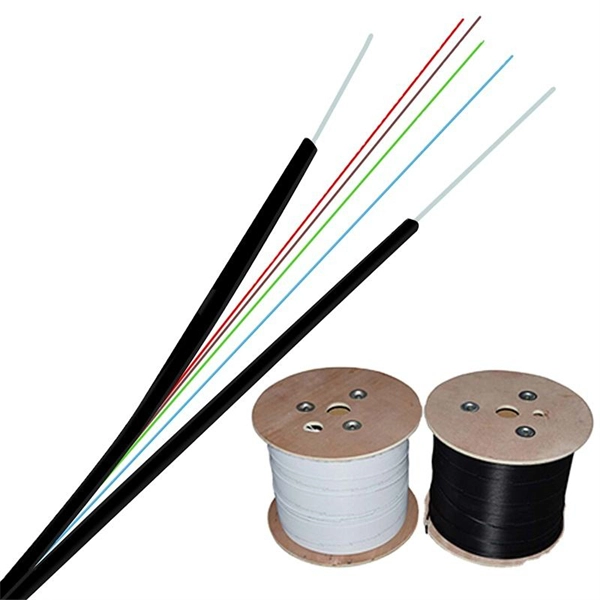
Fiber optic receivers convert light signals into electrical signals for use by equipment such as computer networks. These electro-optical devices consist of an optical detector, a low-noise amplifier, and signal conditioning circuitry. Nowadays, the applications of optical...
[PDF Version]Share the fiber interfaces, termination capacity, cable route and evidence required for handover.