
Freight Packaging Guide
Search optical fiber, connectivity, cable management and network infrastructure references.
-
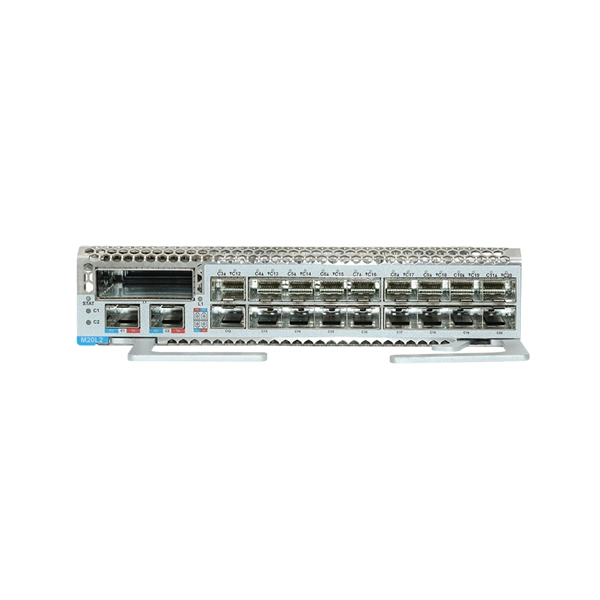
Selection Guide for Low-Loss Active Optical Modules for Power Grid Private Networks
This article will analyze key performance parameters such as transmission rate, wavelength, numerical aperture (NA), output power, and receive sensitivity of optical modules. It will also discuss how to choose suitable optical modules based on practical requirements. As...
[PDF Version]
-
Airport-grade Passive Optical Network QSFP-DD Selection Guide
This guide explains how to choose QSFP-DD transceivers step by step, helping you avoid costly mistakes and ensure compatibility across your network. Cisco QSFP-DD and OSFP 800G ZR/ZR+ digital coherent optics modules enable 800G traffic over amplified Dense Wavelength-Division...
[PDF Version]
-
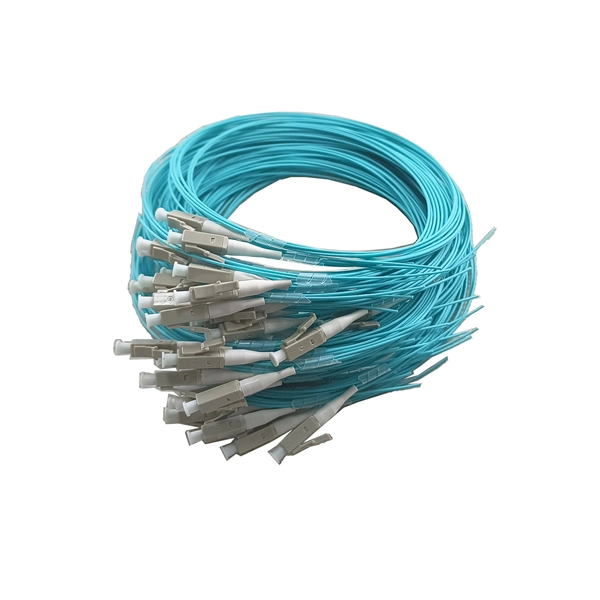
Practical Guide to Selecting 6-Core Optical Cables
When selecting a 6 core fiber optic cable for your networking needs, prioritize single-mode over multimode if you require long-distance transmission (over 550 meters), and ensure the cable includes tight-buffered or loose-tube construction based on indoor or outdoor use. For...
[PDF Version]
-
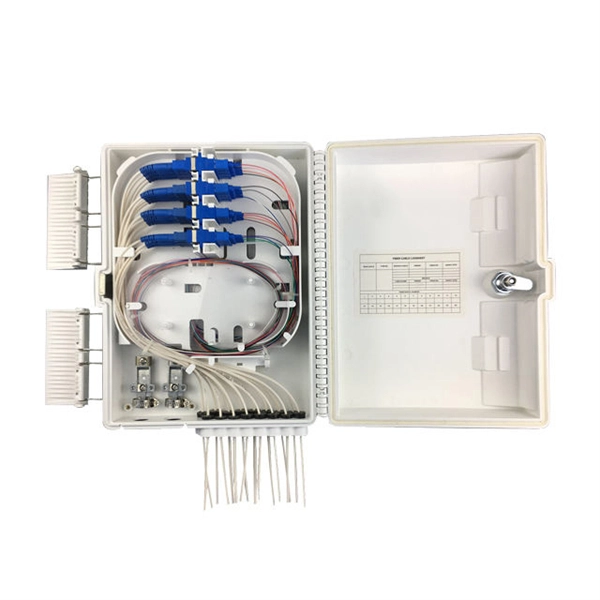
Selection Guide for New Types of Optical Amplifiers for Emergency Communication
Choose EDFA for long-haul and DWDM networks, Raman amplifiers for ultra-long or noise-sensitive systems, and SOA for compact or integrated optical solutions. The selection depends on required bandwidth, gain, and noise performance. 📦 For purchasing, use the RP Photonics...
[PDF Version]
-
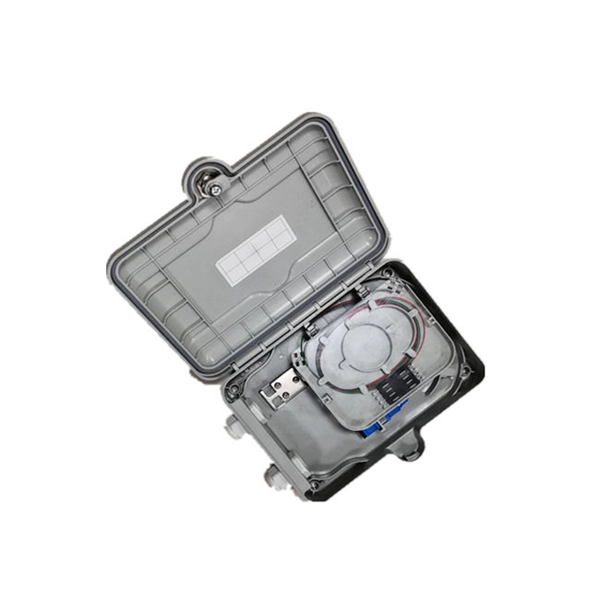
FTTH Grade Optical Switch SFP Selection Guide
A practical, engineer-friendly guide to choosing the right transceiver form factor by speed, port density, power, migration plan, and operational risk—built for 25G/100G networks in 2026. 25G SFP28 is the new access/server baseline; deploy it for port density and long-term...
[PDF Version]
-
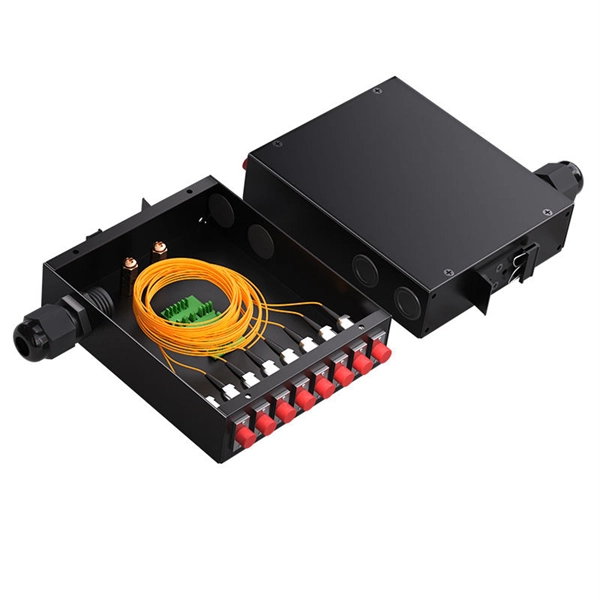
DIN type guide rail terminal box
DIN rail terminal blocks are modular electrical connection devices that can be mounted onto standardized metal rails—DIN rails—with a simple “snap-on” action. Their primary function is to safely connect, distribute, transition, or protect electrical circuits. Primary Types...
[PDF Version]
More from the technical library
- How to install cable trays in a heat exchange station
- How to test an FC interface hard drive
- No response when optical port is plugged into electrical port module
- Low-loss Dutch fiber optic end-face inspection instrument for security applications
- Parameters of optical attenuator
- Inquire about 40G enterprise-grade optical router